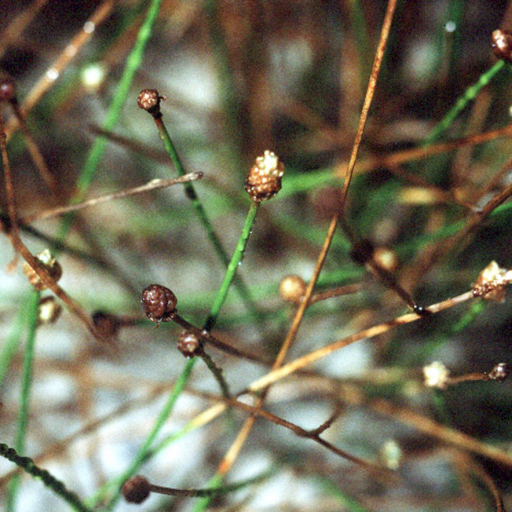
Plant Overview
Often called the "Lawn of the Aquarium," Eleocharis parvula is the secret behind those breathtaking underwater meadows seen in professional aquascaping. Native to brackish and freshwater marshes across the globe, this delicate grass transforms a stark substrate into a lush, vibrant green carpet. It is a favorite for hobbyists because it brings a sense of scale and natural serenity to any aquatic environment.
🔍 How to Identify
- 🌿 Blade Shape: It features very thin, needle-like leaves that are soft to the touch and typically grow only 2 to 4 inches tall.
- 🏃 Growth Habit: Unlike bunch plants, it spreads horizontally through the soil using a network of underground runners (rhizomes).
- 🌾 Spikelets: If allowed to grow above the water line (emersed), it produces tiny, inconspicuous brownish flower heads at the very tips of the stems.
🏡 In Your Garden (or Tank)
- 🌱 Substrate Nuance: Because this plant has incredibly fine, hair-like roots, it struggles in heavy gravel. It thrives best in fine sand or specialized aqua-soils that allow its delicate runners to push through the earth easily.
- ✂️ The "Mowing" Effect: To achieve that thick, velvet-look carpet, you must regularly trim the tops with aquascaping scissors. This "haircut" stresses the plant just enough to trigger a survival response, forcing it to send out more side-runners rather than growing taller.
⚠️ Safety & Toxicity
- ✅ Safe Status: Eleocharis parvula is completely non-toxic to humans, fish, and common household pets like cats and dogs.
- 🐠 Shrimp Sanctuary: It is considered a "hero plant" for shrimp breeders, as the dense needles provide a perfect hiding spot for tiny babies (fry) to escape predators.
✨ Fun Fact
Despite being a staple of freshwater aquariums, Eleocharis parvula is surprisingly hardy and salt-tolerant; in the wild, it is often found in coastal salt marshes where the water condition changes with the tides!

Detailed Care Instructions
To grow Eleocharis Parvula (also known as dwarf hairgrass), please follow these steps:
- Lighting: Provide the plant with sufficient light. This can be achieved by using a full-spectrum aquarium light. Ideally, aim for a light intensity of around 3-5 watts per gallon.
- Substrate: Use a nutrient-rich substrate like aquasoil or a fine gravel/sand with root tabs to provide essential nutrients to the plant.
- CO2: Injecting CO2 into the aquarium will greatly benefit the growth of Eleocharis Parvula. If you don't have a CO2 injection system, you can utilize liquid carbon supplements as an alternative.
- Water quality: Maintain stable water parameters, including temperature, pH, and hardness, as this plant prefers stable conditions. They thrive in slightly acidic to neutral (pH 6.5-7) water with moderate hardness (4-8 dGH).
- Planting: Divide the Eleocharis Parvula into small clumps or individual stems. Plant each clump with 1-2 cm spacing to allow the plants to spread and form a dense carpet. Ensure that the roots are firmly planted in the substrate.
- Maintenance: Regularly trim the plant to promote healthy growth and prevent it from growing too tall. This will encourage lateral growth, resulting in a lush carpet effect. Use aquarium scissors or sharp pruning tools to trim the stems at the desired height.
- Fertilizers: Provide the plants with additional fertilizers that contain essential macro and micronutrients like nitrogen, phosphorus, potassium, iron, and trace elements. This will support healthy growth and vibrant leaf coloration.
- Algae control: Ensure proper water circulation and consider adding a few suitable algae-eating fish or invertebrates to help control any potential algae growth.
- Patience: Growing Eleocharis Parvula into a lush carpet can take time. Be patient and consistent with proper care, and eventually, you will see the plant spreading and forming a dense carpet.
Note: Eleocharis Parvula also benefits from moderate water movement in the aquarium, which helps oxygenate the plants and prevent stagnant areas where debris can accumulate.

Place in a bright room that is sun drenched almost all day. Or directly in a south-facing window.

To properly water this plant, one should thoroughly soak the soil it is planted in until water begins to drain out the bottom of the container. This can be done by either slowly pouring water onto the soil or by placing the container in a basin of water and allowing it to absorb from the bottom. It is important to not let the plant sit in standing water, as this can lead to root rot. The frequency of watering will depend on the humidity levels and temperature of its environment, but it is important to not let the soil completely dry out between watering. A general rule of thumb is to water when the top inch of soil feels dry to the touch.
To provide adequate nutrients for growth, use a well-balanced aquarium fertilizer once a week. Stick the fertilizer, root tabs, or nutrient-rich substrate near the roots of the plant for optimal results. Avoid overfeeding, as it can cause algae growth and harm the plant. Maintain a regular water change schedule to avoid excess nutrients and monitor the plant's growth for any signs of nutrient deficiency or aquarium imbalances.
The ideal soil type for the Eleocharis Parvula plant is a nutrient-rich, well-draining substrate with a neutral pH. It should be sand or gravel-based with a small particle size to allow for proper root development and oxygen circulation. It is important to avoid soils with high levels of clay, as this can lead to waterlogged roots and plant decline. Additionally, using a substrate with added nutrients or fertilizers can promote healthy growth and development of the plant. Overall, the key to success with the Eleocharis Parvula plant is providing it with a suitable growing environment that supports its specific growth requirements.
To propagate this plant, you will need to carefully separate the individual stems or runners from the mother plant. These can then be planted in a new location or container with the appropriate substrate and lighting conditions. It may also be possible to encourage new growth by pruning the mother plant and allowing new shoots to develop. Patience and careful attention to the plant's needs during the propagation process are essential for success.








