Plant Overview
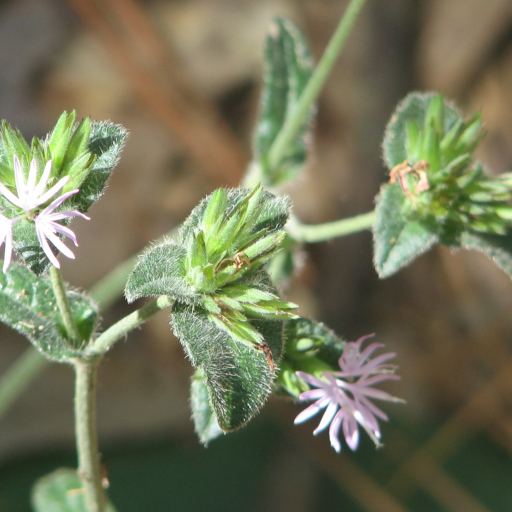
Often called the Devil’s Grandmother or Woolly Elephant’s Foot, this resilient perennial is a staple of the American Southeast. While its common name sounds a bit intimidating, it is actually a charming native wildflower that thrives where others struggle, often forming a soft, fuzzy carpet across the forest floor. It is deeply valued by native plant enthusiasts for its ruggedness and unique, low-profile silhouette.
🔍 How to Identify
- 🍃 The Rosette: It grows in a distinct "basal rosette," meaning the leaves stay flat against the ground in a circular pattern, looking almost as if an elephant stepped on them.
- ☁️ Velvety Texture: The leaves are covered in dense, soft hairs (scientifically termed tomentose), giving the plant a silvery-green, woolly appearance that is very soft to the touch.
- 🌸 Stiff Flower Stalks: In late summer, a wiry, branched stem rises from the center, reaching up to two feet tall. It carries small, tubular lavender or pale pink flowers tucked inside triangular, leaf-like bracts.
🏡 In Your Garden
- 🌱 Tough as Nails: This plant is incredibly hardy because of its deep taproot and low growth habit. It is a "survivor" plant that can handle occasional mowing and poor, acidic soils where more delicate flowers might fail.
- 🦋 Pollinator Magnet: While the flowers are small, they are a vital late-season nectar source for native bees and small butterflies. It’s an excellent choice for a "naturalized" lawn or a woodland edge garden.
⚠️ Safety & Toxicity
- ✅ Generally Safe: Elephantopus tomentosus is not known to be toxic to humans or common household pets like cats and dogs.
- 👅 Mild Irritation: Because the leaves are so hairy, they can sometimes cause a mechanical irritation (a "scratchy" feeling) in the mouth or throat if a curious pet decides to chew on them, but this is rarely a medical concern.
✨ Fun Fact
The nickname "Devil's Grandmother" likely comes from the plant's stubborn nature. Because the leaves hug the ground so tightly, the blades of a lawnmower often pass right over the top of the plant without cutting a single leaf!

Detailed Care Instructions
To grow Elephantopus tomentosus, also known as the Elephant's Foot plant, follow these steps:
- Obtain the plant: Purchase seeds or young seedlings from a reputable nursery or online store. Elephantopus tomentosus is a tropical plant native to Central and South America.
- Select a suitable location: Choose a spot with full to partial sunlight. The plant can tolerate a range of soil types but prefers well-draining, sandy soil.
- Prepare the soil: If necessary, amend the soil by adding organic matter such as compost or well-rotted manure. This will improve drainage and nutrient content.
- Planting: Sow the seeds directly into the prepared soil or transplant the seedlings. Ensure that the spacing between each plant is about 12-18 inches.
- Watering: Keep the soil consistently moist but not waterlogged. Elephantopus tomentosus prefers regular irrigation, especially during dry periods. Avoid over-watering to prevent root rot.
- Mulching: Apply a layer of organic mulch, such as wood chips or straw, around the base of the plants. Mulch helps retain soil moisture, suppress weeds, and regulate soil temperature.
- Fertilization: Apply a balanced, slow-release fertilizer once in spring and again in summer. Follow the package instructions for application rates.
- Pruning: Regularly remove any dead or damaged leaves to maintain a tidy appearance and prevent disease spread. Trimming the plant back in late summer or early fall can help promote compact growth and prevent leggy stems.
- Pests and diseases: Monitor the plants for common pests like aphids, mites, or whiteflies. If necessary, treat with organic insecticidal soap or neem oil. Elephantopus tomentosus is generally disease-resistant but may suffer from root rot in waterlogged soil.
- Harvesting: After around 6-8 months, the plant will produce flower stalks with small white flowers. Once the flowers wither and dry out, harvest the seeds if desired. The seeds can be stored in a cool, dry place for future propagation.
With proper care and attention, Elephantopus tomentosus should grow well and provide ornamental foliage for your garden.

Place in a window with dappled sun or a spot in the middle of a room. Or directly in a window facing west or east.

To water an Elephantopus Tomentosus plant, fill a watering can with room temperature water. Gently pour the water onto the soil around the base of the plant until the the soil is moist but not soaking wet. Avoid getting the foliage wet as this can increase the likelihood of fungal diseases. Water the plant once a week or when the top inch of soil feels dry to the touch. In winter, reduce the frequency of watering to once every two weeks as the plant's growth slows down. It is important not to overwater the plant as this can lead to root rot. Ensure that the soil has good drainage and avoid waterlogged conditions.
To promote healthy growth and blooming, use a balanced fertilizer with a higher ratio of nitrogen, phosphorus, and potassium. Apply the fertilizer once a month during the growing season, starting in early spring and stopping in early fall. Follow the package instructions for mixing and application, and water the plant deeply before and after fertilizing. Avoid over-fertilizing and applying fertilizer directly to the plant's leaves or stem, as this can burn or kill the plant.
The Elephantopus Tomentosus plant prefers a neutral to slightly acidic soil with a pH range of 6.0 to 7.0. It requires a well-draining soil that is rich in organic matter, such as compost or aged manure. The soil should also be able to hold onto moisture without becoming waterlogged. A mix of sand, perlite, and peat moss can be added to improve drainage and aeration. The plant can tolerate a variety of soil types, including loamy, sandy, and clay soils, as long as they are well-draining. It is recommended to avoid using heavy, compacted soils that may restrict root growth.
To propagate this plant, begin by taking stem cuttings from a mature and healthy plant. Cut a stem with sharp, clean scissors or shears and remove the lower leaves, leaving only a few on the upper portion of the stem. Dip the cut end in rooting hormone powder to encourage root growth.
Prepare a pot with well-draining soil, and make a hole in the center. Place the stem cutting into the hole and gently firm the soil around it. Water the cutting and place it in a bright, but indirect, location.
Keep the soil slightly moist but not too wet as it may cause root rot. After two to three weeks, new growth should appear, indicating that roots have been established. Transplant the new plant to a larger pot or outdoors in a suitable location.








