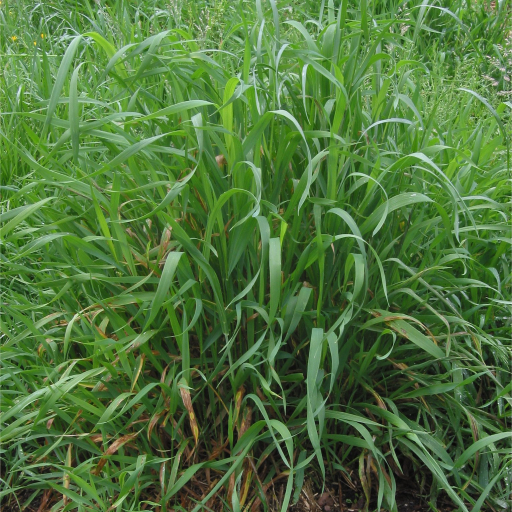
Plant Overview
Often called "Quackgrass," "Couch Grass," or "Witchgrass," Elymus repens is the ultimate survivalist of the plant world. While many gardeners view it as a persistent villain due to its stubborn nature, it has a long history in traditional herbalism and as a resilient ground cover. This grass doesn't just grow; it colonizes, using an intricate underground network to claim its territory in meadows, lawns, and roadsides across the globe.
🔍 How to Identify
- 🌾 The "Ears" (Auricles): One of the best ways to identify it is by looking at the base of the leaf blade. You will find tiny, claw-like appendages called auricles that clasp tightly around the stem.
- 🌱 Creeping Roots: If you dig a little, you’ll find sharp, white, fleshy underground runners (rhizomes). These are pointed and strong enough to grow straight through a potato or soft wood!
- 🥖 Wheat-like Spikes: In mid-summer, it sends up slender, unbranched flowering spikes that closely resemble miniature heads of wheat, arranged in two neat rows along the stalk.
🏡 In Your Garden
- 🏗️ The Master of Persistence: Quackgrass is famously difficult to remove because of its "regenerative" powers. If you leave even a tiny 1-inch fragment of a root in the soil while weeding, that fragment will quickly sprout into a brand-new plant.
- 💧 Drought Resistance: Because its root system can reach deep into the earth, it stays vibrant and green during hot summer droughts that leave pampered lawn grasses brown and dormant. It is often the last green thing standing in a neglected field.
⚠️ Safety & Toxicity
- ✅ Safe for Pets: This plant is non-toxic. In fact, it is frequently called "Dog Grass" because dogs often seek it out to chew on when they have an upset stomach, using the rough blades as a natural digestive aid.
- 🍵 Herbal History: For humans, the dried rhizomes have been used for centuries in traditional teas to treat urinary tract issues. However, always consult a professional before using wild plants medicinally, as they can absorb pesticides from the soil.
✨ Fun Fact
During times of extreme famine in Northern Europe, the long, sugar-rich roots of Quackgrass were harvested, dried, and ground into a makeshift flour to bake bread!

Detailed Care Instructions
Elymus repens, commonly known as couch grass or quackgrass, is a perennial grass that can be invasive and difficult to control. However, if you still wish to grow it, here are some steps you can follow:
- Prepare the soil: Elymus repens prefers well-drained soil. Loosen the soil with a garden fork or tiller to a depth of around 6-8 inches (15-20 cm). Remove any weeds or grass from the area where you want to grow the plant.
- Planting: Elymus repens can be grown from either seeds or rhizomes. If using seeds, scatter them evenly over the prepared soil and lightly cover them with a thin layer of soil. Water gently. If using rhizomes, plant them about 1-2 inches (2.5-5 cm) deep into the soil, leaving about 2 feet (60 cm) spacing between each rhizome.
- Watering: Keep the soil consistently moist during the germination phase, ensuring that it doesn't dry out. Once the grass becomes established, water it as needed, ensuring the soil doesn't become waterlogged.
- Sunlight: Elymus repens prefers full sun but can tolerate partial shade. Choose a location that receives at least 6 hours of direct sunlight daily.
- Maintenance: Elymus repens is known for its invasive nature, so regular maintenance is crucial to control its spread. Regularly mow or trim the grass to prevent it from spreading through seed dispersal. Ensure that the grass doesn't produce seed heads by removing them before they mature.
- Weed management: To prevent the invasion of other plants by Elymus repens, consider creating a physical barrier like a deep edging or installing a root barrier underground to contain its growth.
Note: Growing Elymus repens may not be recommended in all regions, as it can quickly become a nuisance and dominate other plants in the garden. Check with your local garden center or agriculture extension office to determine if it is suitable for your area and if any regulations or restrictions apply.

Place in a bright room that is sun drenched almost all day. Or directly in a south-facing window.

To water this plant, ensure to water it deeply, providing enough water to reach its deepest roots. Consistently monitor the plant's soil moisture levels, and avoid watering it too frequently. When watering, it's important to avoid waterlogging the soil, as this may cause damage to the plant's roots. Consider soaking the plant's roots by using a drip irrigation system or by watering it at the base. Additionally, avoid watering the plant's leaves, as this may increase the chance of fungal infections.
To fertilize this plant, use a balanced fertilizer with equal amounts of nitrogen, phosphorus, and potassium. Apply the fertilizer in the early spring when the soil is moist. Avoid over-fertilizing as it could lead to excessive growth and weaken the plant. You may also choose to supplement the fertilizer with organic matter or compost. Remember to water the plant thoroughly after fertilizing.
Elymus Repens is a plant that prefers to grow in soil that is well-draining and slightly acidic. The soil should have a pH level between 6.0 and 7.0. The plant requires soil that is rich in nutrients and has enough humus content to retain moisture. Loamy soil that is rich in organic matter is ideal for Elymus Repens, as it allows for proper drainage, aeration, and an optimal balance of moisture retention. The most suitable soil composition should contain 20% clay, 40% sand, and 40% silt. The plant also requires a location with full sun exposure, as it is a hardy plant that can tolerate drought, heat, and cold temperatures. When it comes to fertilizing, apply a balanced fertilizer during the growing season and avoid excessive nitrogen, which can cause dense foliage but limit the production of rhizomes.
To propagate this perennial grass plant, you can try dividing the existing plant clumps. First, you need to identify healthy clumps that are at least 1-2 years old. Using a spade or a sharp knife, carefully cut through the clump's central section to separate it into smaller pieces. Ideally, each new clump should have several stems and some root system attached to it.
Next, prepare the soil where you will plant the new clumps. It should be well-draining, fertile, and have a pH level of around 6.0-7.5. You can add some organic matter like compost or manure to the soil to improve its quality.
Dig holes in the soil to plant the new clumps of Elymus Repens. Make sure to space them at least 12 inches apart and plant them at the same depth as their original soil level. Water the newly planted clumps thoroughly and keep the soil consistently moist during the rooting period.
It is recommended to propagate this plant in early spring or early fall when the temperatures are cooler and the rainfall is sufficient. With proper care, the new Elymus Repens clumps will establish well and produce new growth in the following growing season.








