Plant Overview
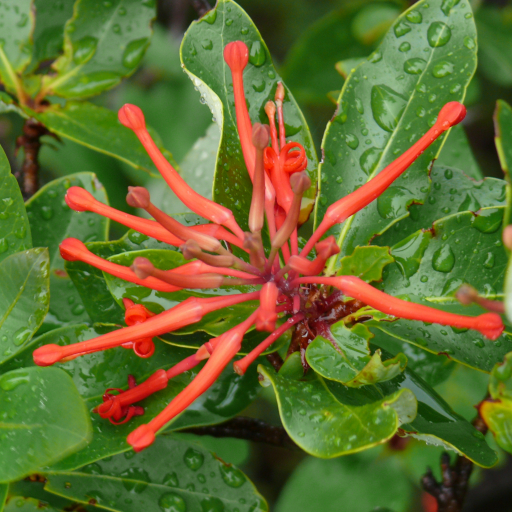
Often called the Chilean Firebush or Notro, this striking evergreen is a true showstopper from the temperate rainforests of the Andes. When in full bloom, the tree appears to be "on fire" due to its explosive, scarlet flowers that can be seen from great distances. In its native Chile and Argentina, it is a symbol of the arrival of spring and the resilience of the southern wilderness.
🔍 How to Identify
- 🌺 Floral Fireworks: Dense clusters of tubular, brilliant scarlet flowers that resemble glowing embers or long, elegant trumpets.
- 🍃 Sleek Foliage: Narrow, leathery, dark green leaves that remain on the branches year-round, providing a deep contrast to the fiery blooms.
- 🌳 Upright Growth: A slender, columnar habit that can range from a large shrub to a medium-sized tree, often reaching for the light in forest clearings.
🏡 In Your Garden
- 🧪 Phosphorus Warning: As a member of the Proteaceae family, this plant has specialized "proteoid" roots. You must avoid fertilizers high in phosphorus, as they can be toxic to the plant and cause it to fail quickly.
- 🏔️ The Andean Sweet Spot: It craves "cool feet and a warm head." It thrives in acidic, well-drained soil that stays moist, preferring a spot where its roots are shaded or mulched while its canopy enjoys the sun.
⚠️ Safety & Toxicity
- ✅ Generally Safe: The Chilean Firebush is not known to be toxic to humans, cats, or dogs, making it a safe choice for family landscapes.
- 🧤 Sticky Sap: While not poisonous, the plant produces a very sticky nectar and sap. Pruning is best done with gloves to avoid a mess on your skin or clothes.
✨ Fun Fact
The Chilean Firebush is a primary fuel source for the Green-backed Firecrown, a vibrant hummingbird native to Patagonia. The flower’s long, tubular shape is perfectly evolved to fit the bird's beak, creating a specialized partnership that ensures the tree’s pollination!

Detailed Care Instructions
| Humidity | Normal |
| Lighting | Part Sun |
| Difficulty | Medium |
| Hibernation | Cold Period |
| Hardiness Zones | 6 - 8 |
To grow Embothrium coccineum, also known as Chilean firebush or flame tree, follow these steps:
- Climate and Location: Embothrium coccineum is native to mountainous regions of Chile and prefers a cool, temperate climate. It requires full sun to partial shade and well-draining soil. Make sure your location meets these requirements.
- Seeds or Plant: Obtain Embothrium coccineum seeds or young plant from a nursery or trusted supplier. Sow seeds or plant the young plant in early spring or late fall.
- Soil Preparation: Prepare the soil by removing any weeds or grass. Embothrium coccineum prefers slightly acidic soil with a pH of 5.5 to 6.5. If your soil is not well-draining, amend it with organic matter such as compost or leaf mold to improve drainage.
- Planting: Dig a hole at least twice the size of the root ball. Place the seedling or plant in the hole, making sure it is at the same level as it was in the pot. Backfill the hole with soil, gently firming it around the plant. Water thoroughly after planting.
- Watering: Embothrium coccineum requires regular watering during the first year to establish its root system. Water deeply, ensuring the soil is moist but not waterlogged. After the first year, the plant should be able to tolerate some drought, but continue watering during dry spells.
- Mulching: Apply a layer of organic mulch around the base of the plant to retain moisture, suppress weeds, and regulate soil temperature. Keep the mulch a few inches away from the stem to prevent rot.
- Pruning: Prune Embothrium coccineum in late winter or early spring to remove any dead, damaged, or crossing branches. This will promote airflow and shape the plant. Avoid heavy pruning, as it can reduce flowering.
- Fertilizing: Embothrium coccineum generally does not require heavy fertilization. However, if the plant is showing signs of nutrient deficiency, apply a balanced slow-release fertilizer in early spring according to package instructions.
- Protection: Protect young and newly planted Embothrium coccineum from extreme cold, strong winds, and excessive heat. Consider providing a windbreak if necessary.
- Patience: Embothrium coccineum is a slow-growing plant that may take several years to bloom. Be patient and provide proper care, and you will be rewarded with its beautiful, fiery red flowers.
Remember to research any specific requirements or recommendations for growing Embothrium coccineum in your particular region, as conditions may vary.

Place in a bright room that is sun drenched almost all day. Or directly in a south-facing window.

To water this plant, it is important to understand its natural habitat. Embothrium Coccineum is native to regions with a mild and moist climate, and it thrives in soil that is well-drained but consistently moist. As such, it is important to water this plant regularly, especially during the warmer months of the year.
When watering Embothrium Coccineum, it is essential to avoid over-watering, as too much water can cause root rot and other problems. Instead, water the plant deeply but infrequently, allowing the soil to dry out slightly between waterings. To help maintain moisture levels and improve overall growing conditions, consider adding a layer of mulch around the base of the plant.
It is also important to avoid watering the foliage of this plant, as wet leaves can lead to fungal growth and other diseases. Instead, aim to water the soil around the base of the plant, using a gentle stream of water that allows the water to soak deeply without causing erosion or other damage to the soil.
In summary, to properly water Embothrium Coccineum, aim to maintain soil moisture levels by watering the plant deeply but infrequently, avoiding over-watering, applying a layer of mulch, and avoiding wetting the foliage.
To fertilize this plant, it is recommended to use a balanced fertilizer with equal proportions of nitrogen, phosphorus, and potassium. Apply the fertilizer once every two months during the growing season, which is typically from spring to autumn. Water the plant first before applying the fertilizer to avoid burning the roots. Follow the instructions on the fertilizer package for proper application. Avoid over-fertilizing as this can damage the plant.
Embothrium Coccineum is a plant that prefers well-draining soil with high organic matter content. The soil should be slightly acidic with a pH range of 5.5 to 6.5. It is important to avoid heavy clay soils as they can retain too much water and suffocate the roots. Instead, a mixture of coarse sand, peat moss, and perlite can be added to improve drainage. A top dressing of compost or well-rotted manure can also be added to provide additional nutrients to the soil. Regular watering is important, but it is also important to allow the soil to dry out slightly between watering to prevent root rot.
Embothrium coccineum plant can be propagated through several methods such as seed propagation, stem cuttings, layering, and division.
Seed propagation involves collecting seeds from mature plants during the flowering and fruiting season. The collected seeds are then cleaned and dried before sowing them in a mix of peat and sand. The seeds are covered with a light layer of soil and kept moist until they germinate. Seed propagation takes a longer time and requires patience, but it is an effective method of propagation.
Stem cuttings are a quicker method of propagation than seed propagation. Select healthy stem cuttings with at least 2-3 nodes and remove the leaves from the lower half of the stem. Dip the cuttings in rooting hormone and plant them in a mixture of sand and peat or perlite. Keep the soil moist and place the cuttings in a warm and bright place for roots to develop.
Layering involves bending a low branch of the parent plant towards the soil and making a small cut on the branch. Secure the branch to the soil using a U-shaped peg and cover the cut with soil. Over time, new roots will develop at the cut and when the new plant has grown sufficiently, it can be severed from the parent plant.
Division involves taking a mature plant and separating it into two or more portions with a sharp knife. Each portion must have a healthy root system and a good portion of above-ground foliage. Replant the divided portions in suitable soil and keep them moist.
These methods can help propagate new Embothrium coccineum plants for your garden.








