Plant Overview
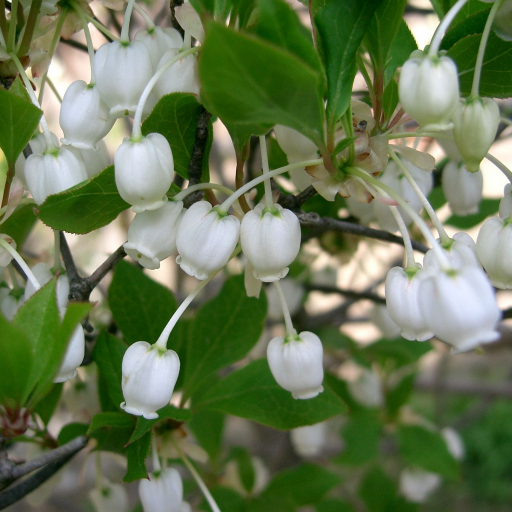
Often called the White Enkianthus, this Japanese native is a master of transformation. Known as Dodo-tsutsuji in its homeland, it is prized by landscape architects for its neat, architectural structure and its ability to turn from a cloud of "white pearls" in the spring to a blazing bonfire of crimson in the autumn. It is the quintessential choice for those seeking a Zen-like elegance in their outdoor space.
🔍 How to Identify
- 🔔 The Flowers: In mid-spring, the shrub drips with clusters of tiny, pure white, urn-shaped blossoms that look like delicate droplets of wax or miniature bells.
- 🍃 The Foliage: The small, oval leaves are arranged in distinctive whorls at the tips of the branches. While bright green in summer, they turn a breathtaking, uniform scarlet or brilliant orange once the frost hits.
- 🌳 The Silhouette: It naturally grows in a compact, rounded mound. Its branching pattern is often very orderly and horizontal, giving it a layered, "cloud-like" appearance even without heavy pruning.
🏡 In Your Garden
- 🧪 The Acid Test: Like its cousins, the Azaleas, this plant is an "acid-lover." It will struggle in alkaline soil; if your soil isn't naturally acidic, it thrives beautifully in large containers filled with ericaceous (acidic) compost.
- ✂️ Patience is a Virtue: This is a slow-growing shrub, which makes it perfect for small gardens or as a specimen plant. Because it keeps its shape so well, it is frequently used in Japanese "Karikomi" (sculptural pruning), though it looks just as lovely left in its natural form.
⚠️ Safety & Toxicity
- 🚫 Status: Toxic if ingested.
- 🐾 The Details: As a member of the Ericaceae family, it contains grayanotoxins. If leaves or flowers are eaten in large quantities, they can cause digestive upset, weakness, or more serious heart issues in pets and humans. It is best kept away from curious nibblers.
✨ Fun Fact
In Japan, Enkianthus perulatus is a superstar of the "Koyo" (autumn leaf-watching) season. While many plants have muddy color transitions, this species is famous for turning a red so intense it almost looks neon, earning it the nickname "The Living Sunset."

Detailed Care Instructions
To grow Enkianthus perulatus, also known as the Japanese Enkianthus or White Vein Enkianthus, follow these steps:
- Climate: Enkianthus perulatus prefers a cool climate and is suitable for USDA hardiness zones 5-8. It requires a cold winter dormant period for successful growth.
- Location: Choose a location that provides partial shade to dappled sunlight. Enkianthus perulatus does not tolerate direct, intense sunlight, especially during hot summer months.
- Soil: The plant prefers well-drained, acidic soil. Amend the soil with organic matter such as compost or peat moss to increase drainage and acidity.
- Planting: Dig a hole slightly larger than the root ball of the plant. Gently massage the roots before placing it in the hole. Backfill the hole with soil and water thoroughly to settle the soil around the roots.
- Mulching: Apply a layer of organic mulch around the base of the plant to retain moisture and suppress weed growth. Avoid piling the mulch against the trunk of the plant.
- Watering: Enkianthus perulatus prefers consistently moist soil but does not tolerate waterlogging. Ensure that the soil remains moist but not soggy. Regular watering is necessary, especially during dry periods.
- Fertilization: Apply a slow-release, acid-loving fertilizer in early spring or use a liquid fertilizer diluted according to the manufacturer's instructions. Avoid fertilizing after mid-summer to prevent promoting new growth that may be vulnerable to winter damage.
- Pruning: Minimal pruning is required for Enkianthus perulatus. Remove any dead, damaged, or diseased branches during the dormant season. Prune to maintain an open and airy shape, and to remove any unwanted growth.
- Winter Protection: Mulch around the base of the plant with a layer of straw or leaves to provide insulation during the winter. This is particularly important if you are in the lower end of the recommended hardiness zone range.
- Pests and Diseases: Enkianthus perulatus is relatively resistant to pests and diseases. However, keep an eye out for aphids, scale insects, or leaf spot disease. Treat any infestations or diseases promptly using appropriate methods or pesticides.
With proper care and attention, Enkianthus perulatus can grow into an attractive shrub that produces clusters of delicate white flowers in spring and vibrant red foliage in autumn.

Place in a bright room that is sun drenched almost all day. Or directly in a south-facing window.

To water this plant, first, ensure that the soil is slightly moist before watering. This can be assessed by sticking your finger into the soil up to the first knuckle. If it feels dry, it is time to water. Water the plant deeply, allowing the water to soak through the soil and the drainage holes at the bottom of the pot. Avoid getting water on the leaves as this can cause damage or promote disease. Wait until the top inch of soil dries out before watering again, which may take several days to a week depending on the conditions in your home. Avoid overwatering as Enkianthus Perulatus prefers well-drained soil and can be susceptible to root rot.
When fertilizing the Enkianthus Perulatus plant, use a balanced fertilizer that has equal parts nitrogen, phosphorus, and potassium. Avoid fertilizers that are high in nitrogen, as they can cause excessive leaf growth at the expense of flower and fruit development. Apply the fertilizer in the early spring before new growth appears and then again in late spring or early summer after blooming has finished. Be sure to water the plant thoroughly before and after applying fertilizer to prevent root burn. Always follow the instructions on the fertilizer package for best results.
Enkianthus Perulatus is a deciduous shrub that is native to Asia. It prefers well-drained soil that is rich in organic matter. The soil should be slightly acidic, with a pH level between 5.0 and 6.5. It is important to avoid soil that is too heavy or clay-based, as this can lead to poor drainage and root rot. Enkianthus Perulatus also prefers soil that is kept consistently moist, but not waterlogged. Adding compost or other organic matter to the soil can help to improve its texture and nutrient content. Planting Enkianthus Perulatus in a location with partial shade can also help to ensure that the soil stays moist and well-drained, while protecting the plant from excessive heat and sun exposure.
To propagate this plant, you will need to take semi-hardwood cuttings in the summer when the plant is actively growing. Choose healthy stems without any signs of disease or insect damage. Cut the stems at a length of around 4-6 inches and ensure there are at least two leaf nodes per cutting. Remove any leaves from the bottom two-thirds of the stem to reduce the amount of moisture lost through transpiration. Dip the end of the cutting in rooting hormone powder and plant it in a well-draining, moist propagation mix. Place the cuttings in a warm, bright area that receives indirect sunlight. Mist the cuttings daily to keep them moist and check for any signs of rot or disease. Once the cuttings have formed roots, they can be moved to individual pots and treated like mature plants.








