Plant Overview
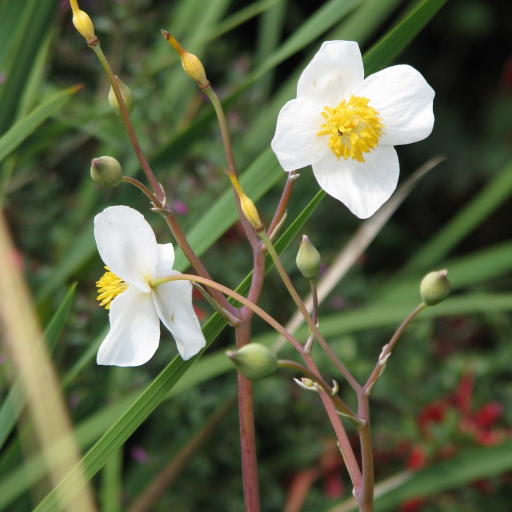
Known as the Snow Poppy or Forest Poppy, this elegant woodland perennial hails from the misty, shaded forests of China. It is often nicknamed the "Fried Egg Plant" (a title it shares with its cousin, the Matilija Poppy) because of its pristine white petals surrounding a bright burst of golden-yellow stamens. While it looks like a fragile woodland fairy, it is surprisingly vigorous, making it a favorite for gardeners looking to illuminate damp, shady corners where little else thrives.
🔍 How to Identify
- 🍳 The Flowers: Four delicate, pure-white petals that form a cup shape around a dense, fuzzy cluster of vibrant orange-yellow stamens.
- 🥬 The Foliage: Large, heart-shaped or kidney-shaped leaves with distinctively wavy, scalloped edges and a matte, slightly bluish-green tint.
- 🟠 The Sap: If a leaf or stem is snapped, the plant "bleeds" a unique orange-yellow milky sap, a signature trait of its botanical family.
🏡 In Your Garden
- 🌳 Woodland Preference: This plant thrives in "bright shade," mimicking the forest floors of its native habitat. It detests direct afternoon sun, which can quickly scorch its tender, rubbery leaves.
- 🏃 Rhizome Runner: It spreads through underground runners. While this makes it an excellent ground cover for filling gaps, it can be a bit "walkative." Plant it where it has room to roam, or use a root barrier to keep it contained.
- 💧 Soil & Thirst: It demands humus-rich, moist soil. If the ground dries out completely, the plant may go into early dormancy or wilt dramatically to signal its need for a deep drink.
⚠️ Safety & Toxicity
- 🧪 Mildly Toxic: Like many members of the poppy family, the Snow Poppy contains alkaloids that are harmful if ingested.
- 🧤 Skin Irritant: The bright orange sap can cause mild skin irritation or staining for those with sensitive skin. It is best to wear gloves when pruning or dividing the rhizomes.
- 🐾 Pets & Children: Keep this plant away from curious pets and toddlers; chewing on the leaves or stems can cause stomach upset, nausea, and drooling.
✨ Fun Fact
The name Eomecon translates from Greek to "Eastern Poppy," and it is a monotypic genus—which means this specific plant is the only species of its kind in the entire world!

Detailed Care Instructions
To grow the Eomecon chionantha plant, also known as the "snow poppy," follow these steps:
- Climate: Eomecon chionantha is native to China and prefers a cool climate. It is most suitable for USDA hardiness zones 6-9.
- Site selection: Choose a site with partial shade to full shade. Avoid direct sunlight as it can scorch the leaves. The soil should be well-draining and rich in organic matter.
- Soil preparation: Prepare the soil by adding organic compost or well-rotted manure to improve its fertility and drainage. The ideal pH for Eomecon chionantha is slightly acidic to neutral.
- Planting: Plant the Eomecon chionantha in spring or fall. Dig a hole that is slightly larger than the plant's root ball. Place the plant in the hole, ensuring that the crown is level with the soil surface. Backfill the hole with soil, gently firming it around the roots.
- Watering: Keep the soil consistently moist but not waterlogged, especially during the plant's establishment period. Once established, Eomecon chionantha is relatively drought-tolerant.
- Mulching: Apply a layer of organic mulch around the base of the plant to help retain soil moisture and suppress weed growth. Avoid piling mulch against the stem to prevent rot.
- Fertilization: Feed the Eomecon chionantha plant with a balanced, slow-release fertilizer in early spring. Follow the manufacturer's instructions for application rates.
- Pruning: Trim away any dead or damaged foliage as it occurs. Eomecon chionantha does not typically require heavy pruning.
- Division: When the plant becomes overcrowded, it can be divided every 3-5 years. Dig up the clump and carefully separate it into smaller sections using a clean, sharp tool. Replant the divisions in well-prepared soil.
- Pests and diseases: Eomecon chionantha is generally pest and disease resistant. However, it can occasionally be susceptible to slugs and snails. Use organic pest control methods or pick them off by hand if necessary.
By following these steps, you can successfully grow Eomecon chionantha in your garden.

Place in a window with dappled sun or a spot in the middle of a room. Or directly in a window facing west or east.

Eomecon Chionantha plant should be watered regularly, but not too frequently to avoid waterlogging the soil. Before watering, it is important to check that the soil is dry to the touch. When watering, it is recommended to use room temperature water and to water thoroughly until the water begins to drain out the bottom of the pot. Be sure to allow the plant to drain completely before placing it back in its decorative container. It is important to limit watering during the winter months as the plant does not require as much water due to its dormancy period.
To fertilize this plant, use a balanced fertilizer with an N-P-K ratio of 10-10-10. Apply the fertilizer once a month during the growing season, from spring to early autumn. Mix the fertilizer with water according to the package instructions and apply it to the soil around the plant, taking care not to touch the leaves or stem. Water the plant thoroughly after fertilizing. Avoid fertilizing the plant during the winter months when it goes dormant.
The ideal soil for the Eomecon Chionantha plant should have good drainage and a slightly acidic to neutral pH level. It should also be nutrient-rich and have good moisture retention properties to support healthy plant growth. A soil mixture that contains a combination of peat moss, perlite, and vermiculite is ideal for the Eomecon Chionantha plant as it provides good drainage, aeration, and moisture retention. Additionally, adding organic matter such as compost or leaf mold can help improve soil fertility and structure. It is recommended to avoid using heavy clay soils or soils that have a high sand content, as they can negatively affect the growth and health of the plant.
To propagate this plant, take healthy stem cuttings with at least two leaves. Remove the lower leaves and dip the cut end into rooting hormone powder. Place the stem cutting in a small pot filled with moist and well-draining soil mix and cover it with a plastic bag to retain humidity. Keep the pot in a bright and warm spot, but away from direct sunlight. After a few weeks, the cuttings should develop roots and new leaves, indicating successful propagation. Gradually acclimate the new plant to normal conditions and transplant it to its permanent location.








