Plant Overview
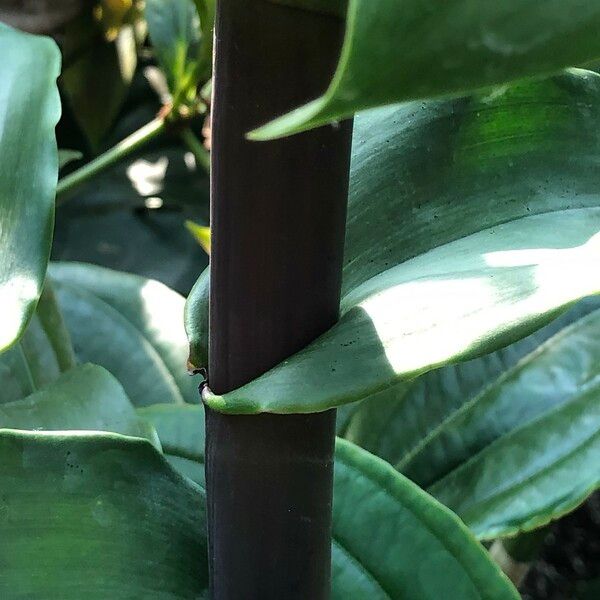
This high-altitude beauty hails from the misty slopes of the Atacazo volcano in the Ecuadorian Andes. Often categorized as a "reed-stemmed" orchid, it trades the bulky, water-storing bulbs of its cousins for elegant, cane-like stalks that reach toward the clouds. It is a prized find for orchid enthusiasts who love "species plants" that carry the wild, untamed spirit of the South American cloud forests.
🔍 How to Identify
- 🌿 The Canes: Unlike common Phalaenopsis, this plant features long, slender, upright stems (canes) that resemble bamboo or reeds more than a typical orchid.
- 🍃 The Foliage: Tough, leathery leaves are arranged alternately along the upper half of the stems, designed to withstand the high-intensity light of mountain elevations.
- 🌸 The Blooms: It produces terminal clusters (at the very top of the stem) of delicate, star-shaped flowers that range from creamy white to pale yellow, often featuring a complex, fringed central "lip."
🏡 In Your Garden
- ⛰️ The Mountain Lifestyle: This orchid thrives in "intermediate" temperatures—it loves a significant drop in temperature at night, mimicking the cooling mountain air of the Andes.
- 💨 Airy Roots: Because it is an epiphyte (a plant that grows on trees), it will "suffocate" in standard potting soil. It requires a coarse, chunky bark mix that allows its silver-toned roots to breathe and dry out quickly after watering.
⚠️ Safety & Toxicity
- ✅ Pet Friendly: Like the vast majority of the Orchidaceae family, Epidendrum atacazoicum is considered non-toxic to cats, dogs, and horses.
- 🍯 Sticky Nectar: While the plant is safe, the flowers produce a very sweet, sticky nectar (often called "orchid honey") that can attract ants if grown outdoors or leave a residue on furniture if kept inside.
✨ Fun Fact
The name atacazoicum is a permanent tribute to its homeland—the Atacazo volcano in Ecuador. While many orchids are bred in labs to be colorful, this species remains a "botanical time capsule," looking exactly as it does in the wild volcanic landscape.

Detailed Care Instructions
| Humidity | Dry |
| Lighting | Full Sun |
| Difficulty | Medium |
| Temperature | 12°C - 24°C |
To grow Epidendrum Atacazoicum, you can follow these steps:
- Choose the right location: Epidendrum Atacazoicum prefers bright indirect light. Place it near a window with filtered sunlight or in a partially shaded area outdoors.
- Select the appropriate pot: Use a well-draining pot that is slightly larger than the plant's current root system. Orchid pots with slits or clear plastic pots are often recommended.
- Potting mix: Prepare a potting mix that consists of orchid bark, perlite, and sphagnum moss. This will provide good drainage and aeration for the roots.
- Repotting: If your plant is already established in a pot, gently remove it from its current container and shake off the excess old potting mix. Trim any dead or rotten roots and place it into the new pot, adding fresh potting mix around the roots. Avoid burying the pseudobulbs.
- Watering: Epidendrum Atacazoicum prefers to be kept evenly moist but not soaking wet. Water the plant thoroughly, allowing the excess water to drain out. Avoid letting the roots sit in water, as this can lead to root rot.
- Humidity: Maintain a humid environment around the plant. You can place a humidity tray filled with water and pebbles beneath the pot or use a room humidifier.
- Fertilizer: Feed your Epidendrum Atacazoicum with a balanced orchid fertilizer, following the instructions on the label. During the active growth period (usually spring and summer), you can fertilize it every two weeks. Reduce the frequency during the dormant period.
- Temperature and ventilation: Epidendrum Atacazoicum prefers temperatures between 60-85°F (15-29°C). Ensure proper air circulation around the plant by periodically opening windows or using fans.
- Pruning: Remove any dead or yellowing leaves or flowers to maintain the plant's health and appearance. Use clean, sterilized pruning shears to avoid introducing any diseases.
- Reproduction: Epidendrum Atacazoicum can be propagated by dividing the plant. Wait until the plant outgrows its pot, then carefully separate the pseudobulbs and roots into individual plants, making sure each division has healthy roots and new growth.
Remember to observe your plant closely and adjust its care based on its specific needs. With proper attention to light, water, temperature, and care, your Epidendrum Atacazoicum should thrive and grow.

Place in a window with dappled sun or a spot in the middle of a room. Or directly in a window facing west or east.

When providing water to this plant, it is important to avoid overwatering. The plant should be allowed to dry slightly between waterings. When watering, it is best to use room temperature water and ensure that it is evenly distributed throughout the pot. The frequency of watering will depend on factors such as the temperature, humidity levels, and soil type. Monitor the plant closely for signs of dehydration, such as wilted leaves and dry soil. When in doubt, it is better to underwater than to overwater this plant.
To fertilize this plant, use a balanced fertilizer with equal amounts of nitrogen, phosphorus, and potassium. Mix the fertilizer with water according to the instructions on the package and apply it to the soil around the base of the plant. Do this once a month during the growing season, which is typically from spring to fall. Avoid fertilizing during the winter months when the plant is dormant. It is important not to over-fertilize this plant, as it can lead to burning of the roots.
Epidendrum Atacazoicum plant requires a well-draining soil mix that is rich in organic matter. The ideal soil should have good aeration and moisture retention capacity. A mix of sphagnum moss, perlite, and bark is often recommended as it offers a good balance between water retention and drainage. It is important to avoid using soils that are too heavy, dense, or compacted as they can cause root rot and damage to the plant. Additionally, a regular fertilization routine is important to support the plant's growth, with a balanced fertilizer that has a higher nitrogen content during the growing season and a higher phosphorus content during flowering. Overall, providing a suitable soil mix and proper fertilization will help your Epidendrum Atacazoicum plant thrive.
To propagate this plant, you will need to start by selecting a healthy stem with several nodes on it. Cut the stem at an angle just below a node using a clean and sharp pair of scissors or pruning shears. Dip the cut end of the stem into rooting hormone powder to encourage root development.
Next, fill a small pot with a well-draining potting mix and make a hole in the center with your finger. Insert the cut end of the stem into the soil, burying it up to the first node. Water the soil well and place the pot in a warm and bright location, but away from direct sunlight.
Keep the soil moist but not overly wet, and avoid fertilizing until the plant has established roots. In about four to six weeks, you should begin to see new growth from the nodes on the stem.
Once the plant has developed a strong root system and several new leaves, it can be replanted into a larger pot with fresh potting soil. Keep the plant in a warm and humid location, and provide it with bright indirect light to encourage healthy growth.








