Plant Overview
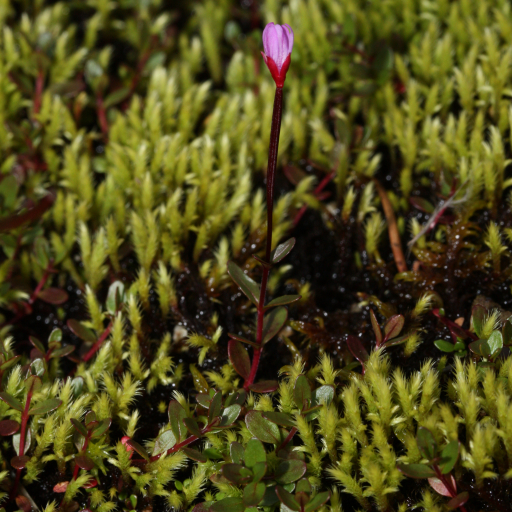
The Pimpernel Willowherb is a tiny, resilient mountaineer that thrives where many other plants would shiver. Often found near the edges of melting snowbeds and icy alpine springs, this delicate perennial gets its name from its leaves, which closely resemble those of the Scarlet Pimpernel. It is a symbol of the quiet beauty found in the world’s highest and coldest reaches.
🔍 How to Identify
- 🌸 The Flowers: Look for small, nodding buds that open into four-petaled, rose-pink to pale purple flowers. They usually appear in clusters of one to three at the tips of the stems.
- 🍃 The Foliage: Its leaves are small, oval, and slightly fleshy. They grow in opposite pairs along the stem and often take on a reddish tint when exposed to high-altitude sun.
- 🌱 Growth Habit: This is a "creeping" plant. It stays very low to the ground (rarely exceeding 4 inches in height) and spreads via runners (stolons) to form small, lush mats among the rocks.
🏡 In Your Garden & Landscape
- 💧 The Moisture Muse: In the wild, this plant is almost always found with "wet feet." If you are trying to grow it in a rock garden, it requires constant moisture and excellent drainage; it cannot tolerate drying out.
- 🏔️ Heat Sensitivity: Because it is an arctic-alpine specialist, it struggles significantly in humid, lowland heat. It thrives best in "cool-summer" climates where the soil remains chilled.
- 🪨 Substrate Needs: It prefers gravelly, acidic soils. It is a colonizer of disturbed ground, often being one of the first plants to appear in areas where gravel has been shifted by moving water or melting ice.
⚠️ Safety & Toxicity
- 🟢 Status: Generally considered non-toxic.
- 🐾 Details: There are no documented reports of Epilobium anagallidifolium being poisonous to humans, cats, or dogs. However, as with any wild alpine plant, it is best kept away from curious pets to prevent digestive upset and to preserve the plant's delicate structure.
✨ Fun Fact
The "Willowherb" family gets its name because the seeds are attached to tiny, silken white hairs. When the seed pods burst, these "parachutes" catch the wind, looking much like the fluffy catkins produced by Willow trees!

Detailed Care Instructions
To grow Epilobium Anagallidifolium plant, you can follow these steps:
- Choose a suitable location: Epilobium Anagallidifolium prefers full sunlight but can tolerate some shade. It also prefers well-draining soil.
- Prepare the soil: Ensure the soil is loose, fertile, and well-draining. If the soil is heavy clay, mix in some organic matter like compost to improve drainage.
- Sow the seeds: Epilobium Anagallidifolium can be grown from seeds. Sow the seeds directly into the prepared soil in the spring or fall. Scatter the seeds on the soil and lightly press them into the ground, then cover them with a thin layer of soil.
- Watering: Keep the soil consistently moist but not waterlogged. Water regularly, especially during dry periods, to help the seeds germinate and promote healthy growth.
- Thin the seedlings: Once the seedlings have emerged, they may be overcrowded. Thin out the weaker seedlings, leaving the healthiest ones with enough space to grow.
- Maintenance: Epilobium Anagallidifolium is generally a low-maintenance plant. However, you can remove any weeds around it to prevent competition for nutrients and space. Regularly check for pests or diseases and take appropriate actions if necessary.
- Harvesting and propagation: Epilobium Anagallidifolium produces beautiful pink flowers in summer. You can harvest the seeds from the plant for propagation, or allow them to self-sow.
By following these steps, you should be able to successfully grow Epilobium Anagallidifolium plant. Remember to provide proper care, and your plant will thrive and add beauty to your garden.

Place in a bright room that is sun drenched almost all day. Or directly in a south-facing window.

To water this particular plant, it is important to understand its watering requirements. First, check the moisture level in the soil by inserting your finger into the soil up to the first knuckle. If it feels dry, it is time to water, but if it feels moist, wait a few more days. When watering, avoid getting the leaves wet as this can lead to fungal diseases. Instead, target the base of the plant and water slowly and evenly until water begins to trickle out of the drainage holes at the bottom of the pot. It is important to not overwater the plant as this can lead to root rot. Instead, allow the soil to dry out slightly between watering sessions. Additionally, if the plant is in direct sunlight, it may require more frequent watering as it will dry out faster.
To fertilize this plant, start by selecting a balanced fertilizer with equal amounts of nitrogen, phosphorus, and potassium. Mix the fertilizer with water according to the instructions on the packaging. Apply the fertilizer to the soil around the plant, avoiding the leaves and stems. Water the plant thoroughly after fertilizing. Repeat the fertilization process once every four weeks during the growing season. Be sure to follow the manufacturer's instructions for the specific fertilizer being used.
The best soil for Epilobium anagallidifolium should be well-draining and rich in organic matter. This plant prefers soil that is slightly acidic to neutral, with a pH range of 6.0 to 7.0. Sandy loam or loamy soils are ideal, as they provide excellent drainage while still retaining moisture.
It is advisable to mix in compost or other organic amendments with the soil prior to planting to improve its overall quality and fertility. However, avoid using soil that is too rich in nitrogen as this may encourage excessive foliage growth at the expense of flowers.
When planting, ensure that the soil is moist but not waterlogged, as this can lead to root rot and other fungal diseases. It is also important to mulch around the base of the plant to retain moisture and suppress weeds.
To propagate this plant, you can follow these steps:
- Take cuttings from healthy, mature stems of the plant.
- Remove any leaves from the bottom half of the cutting.
- Dip the cut end of the stem into rooting hormone powder.
- Plant the cutting in a well-draining soil mix, such as perlite or vermiculite.
- Cover the cutting with a clear plastic bag or a plastic dome to create a humid environment.
- Place the cutting in a bright, indirect light location.
- Mist the cutting regularly to keep the soil moist but not waterlogged.
- After a few weeks, roots should begin to develop, and the cutting can be transplanted into a larger container or outdoors in a suitable location.








