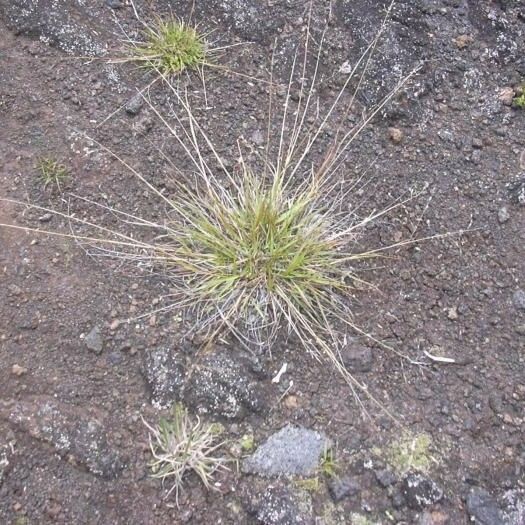
Plant Overview
Meet Eragrostis cumingii, a delicate beauty often known as Cuming’s Lovegrass. This tufted grass is like a soft, green whisper in the landscape, providing a misty texture to sandy coastal regions and open woodlands. Originally hailing from Southeast Asia and Australia, it is a resilient "pioneer" species that excels at turning barren, sandy patches into swaying meadows.
🔍 How to Identify
- 🌾 Growth Habit: It forms dense, neat tufts or "clumps" of fine foliage, typically standing between 15 to 40 centimeters tall, making it a low-profile ground cover.
- 🍃 Leaf Texture: The leaves are very slender, almost hair-like, and can be flat or slightly rolled inward, giving the plant a soft, feathery appearance.
- ☁️ The Seed Heads: The "Lovegrass" signature is its airy, open panicle. The tiny spikelets are often tinted with a leaden-grey or purplish hue, appearing like a light fog hovering over the grass.
🏡 In Your Garden
- 🏖️ Sandy Soil Specialist: This plant is a specialist in well-draining, sandy soils. If you have a "difficult" spot where the soil is poor and nothing else grows, Cuming’s Lovegrass will likely thrive there without complaint.
- ☀️ Sun Seeker: It demands bright light to maintain its structural integrity. In shaded areas, the delicate stems may become "floppy" as they stretch toward the sun, losing that iconic tufted shape.
⚠️ Safety & Toxicity
- ✅ Safe Status: Eragrostis cumingii is generally considered non-toxic and safe for residential gardens.
- 🐾 Pet & Child Friendly: There are no known toxins that pose a threat to cats, dogs, or curious children. Unlike some taller ornamental grasses, its leaves are relatively soft and lack the sharp, serrated edges that can cause "grass cuts."
✨ Fun Fact
The name Eragrostis is derived from the Greek words Eros (the god of love) and Agrostis (grass). It was given this name because the heart-shaped spikelets of some species in this family look like tiny charms dancing in the wind!

Detailed Care Instructions

Place in a bright room that is sun drenched almost all day. Or directly in a south-facing window.

To water the plant under consideration, the first step should be to check the soil moisture. This can be done by inserting a finger about an inch deep into the soil. If it feels dry, it is time to water the plant.
The plant should be watered deeply, ensuring that all the soil around the roots is moistened. It is important to avoid getting water on the leaves as it can promote fungal growth and disease.
It is recommended to water the plant in the early morning or late evening when the temperature is cooler as it prevents water loss due to evaporation.
The frequency of watering can vary depending on the climate and soil condition. It is important to avoid overwatering the plant as it can lead to root rot and other problems.
During hot and dry weather, the plant may require frequent watering, while during cooler weather, it may require less water.
To maintain healthy growth, it is important to ensure that the soil around the roots does not dry out completely. This can be achieved by adding a layer of mulch around the plant, which helps to retain moisture and keep the roots cool.








