Plant Overview
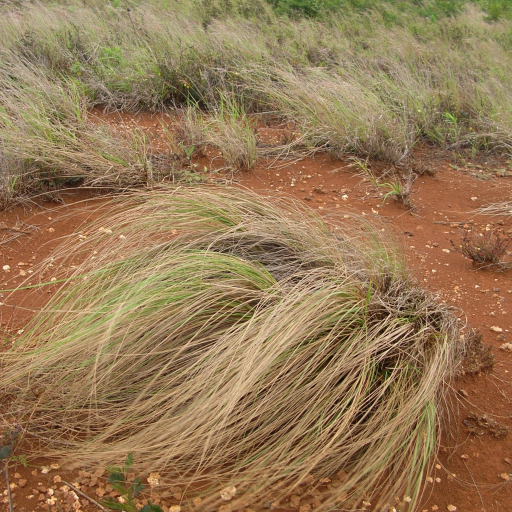
Commonly known as African Lovegrass or Weeping Lovegrass, this graceful perennial is the ultimate survivor of the plant world. Originally from Southern Africa, it earned its nickname from the way its long, slender leaves arch toward the ground like a green fountain. While gardeners love its shimmering texture and "dancing" movement in the wind, it is also a powerhouse used globally to stop soil erosion on steep, difficult slopes.
🔍 How to Identify
- 🌿 The "Weeping" Foliage: Its most striking feature is the dense tuft of very narrow, hair-like leaves that curve downward, often reaching up to 3 feet in length.
- 🌾 Leaden Seed Heads: In early summer, it sends up tall stalks tipped with delicate, olive-gray or "lead-colored" flower clusters (panicles) that look like tiny, shimmering beads.
- ☁️ The Base: It grows in a very tight, distinctive "bunch" or tussock. If you pull the leaves back, the base of the plant often feels tough and woody.
🏡 In Your Garden
- 🏜️ Drought Champion: This grass thrives where others fail. It loves sandy, poor-quality soil and can survive long periods without a drop of water, making it perfect for "Xeriscaping" or low-maintenance rock gardens.
- ✂️ The Late Winter Haircut: To keep it looking like a lush fountain rather than a messy haystack, it should be cut back heavily in late winter. This encourages a fresh flush of vibrant green growth in the spring.
- 🚜 Erosion Warrior: Because of its incredibly deep and fibrous root system, it is often planted on hillsides to "lock" the soil in place and prevent landslides.
⚠️ Safety & Toxicity
- ✅ Safe for Pets & Humans: African Lovegrass is generally considered non-toxic. It is not known to be poisonous to curious cats, dogs, or children.
- 🌱 Environmental Warning: While safe to touch, it is a prolific self-seeder. In some regions (like parts of Australia and the US), it is considered an invasive weed because it can outcompete native grasses. Check your local regulations before planting!
✨ Fun Fact
The genus name Eragrostis is derived from the Greek words Eros (love) and agrostis (grass), which is why species in this family are almost always referred to as "Lovegrasses." It literally translates to "The Grass of Love!"

Detailed Care Instructions
To grow Eragrostis Curvula, also known as weeping lovegrass, follow these steps:
- Soil preparation: Choose a well-draining soil with a pH level between 5 and 8. Amend the soil with organic matter like compost or well-rotted manure to improve fertility and drainage.
- Planting: Eragrostis Curvula can be propagated from seeds or vegetatively by dividing established clumps. If using seeds, sow them in the prepared soil during the early spring or fall. Scatter the seeds evenly and cover them lightly with a thin layer of soil. Water gently after sowing.
- Watering: Maintain soil moisture during the establishment phase, keeping it consistently moist but not waterlogged. Once the plants are established, they can tolerate drought conditions.
- Sunlight: Choose a location with full sun exposure for the best growth. Eragrostis Curvula requires at least 6-8 hours of direct sunlight per day.
- Fertilization: Apply a balanced slow-release fertilizer before planting or during the growing season to provide essential nutrients for the plant's development. Follow the manufacturer's instructions for the correct dosage.
- Weed control: Regularly remove weeds around the Eragrostis Curvula plants, especially during the early stages of growth, to prevent competition and interference with their development.
- Maintenance: Trim or mow the plants periodically to maintain their desired height and shape. This also helps promote new growth and prevents them from becoming too woody.
- Pest and disease control: Eragrostis Curvula is relatively resistant to pests and diseases. However, monitor for any signs of infestation or disease, such as discoloration or wilting leaves. If needed, use appropriate treatments or contact a local horticulture expert for assistance.
- Propagation: Eragrostis Curvula can be propagated by dividing established clumps. Dig up a large clump and carefully separate it into smaller portions, each containing roots and shoots. Replant these divisions in the desired location, following the same planting and care instructions mentioned above.
Remember to check with local nurseries or agricultural extension services for any specific recommendations or guidelines suited to your regional climate and conditions.

Place in a bright room that is sun drenched almost all day. Or directly in a south-facing window.

To water this plant, you should make sure the soil is dry before watering. When you do water, you should water thoroughly, making sure to soak the soil all the way to the roots. Be careful not to over-water, as this can lead to root rot. It is also important to water in the morning, as this is the best time to avoid evaporation and fungal growth.
To fertilize this plant, you should first conduct a soil test to ensure you know the best ratio of nutrients to add. Typically, a balanced fertilizer with equal parts nitrogen, phosphorus, and potassium should be applied once or twice a year during the growing season. It's important to apply fertilizer evenly and avoid over-fertilizing, as this can cause damage to the plant's roots and reduce its overall health. Additionally, organic fertilizers such as compost and manure can be used in place of synthetic fertilizers. Remember to always follow the instructions on the fertilizer packaging and take care not to apply fertilizer during drought conditions.
When choosing soil for Eragrostis Curvula plant, it is important to select a soil that is well-draining and rich in organic matter. The soil should be loose and friable, allowing for good root growth and easy water penetration. It is recommended to use a soil mix that contains a good balance of sand, silt, and clay. Additionally, you should ensure that the soil has a pH level between 6 to 7.5, which is the ideal range for Eragrostis Curvula to thrive. You can amend soil to achieve the correct pH levels by adding lime or sulfur as needed. Avoid using heavy clay soils or soils that are prone to water-logging, as this can lead to root rot and other fungal diseases. In summary, a well-draining, fertile, and slightly alkaline soil is the best option for growing Eragrostis Curvula plant.
Propagation of this plant can be done by taking stem cuttings or by dividing the plant clumps. The stem cuttings should be taken from a mature and healthy plant during its growing season and should have at least two to three nodes. The leaves on the lower nodes should be removed, and the cutting should be planted in a well-draining potting medium. It is important to keep the cuttings moist and provide them with bright, indirect light. The plant can also be propagated by dividing the clumps at the roots. This is best done in the early spring, just as the plant starts to grow. The clumps should be dug up, and the roots should be carefully separated into smaller plants. These can then be replanted immediately, ensuring they are planted at the same depth as before. With proper care, both methods will produce healthy new plants that will thrive in similar growing conditions as the parent plant.








