Plant Overview
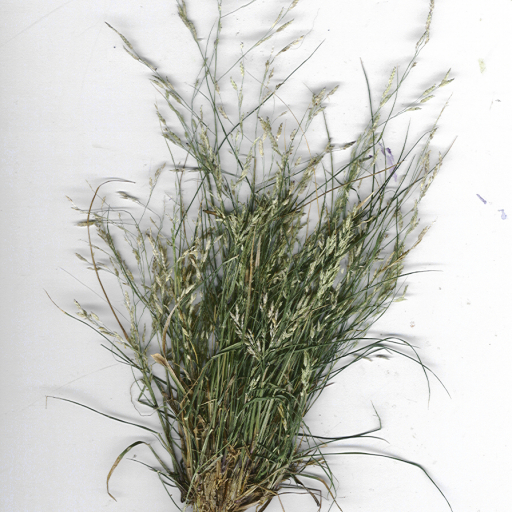
Known affectionately as Carolina Lovegrass, this delicate, wispy grass is a native gem of North and South America. Often found dancing along roadsides or gracing the edges of sunny meadows, it gets its romantic name from the Greek words Eros (love) and agrostis (grass). It’s the perfect plant for those who appreciate the subtle, "misty" look of a wild prairie in their own backyard.
🔍 How to Identify
- 🌾 The Seed Heads: The plant produces airy, open branching clusters (panicles) that look like a purple-grey mist floating above the foliage.
- 🌿 The Leaves: Its blades are narrow, flat, and lean, usually measuring only about 1/4 inch wide, giving the plant a refined, tufted appearance.
- 📏 Growth Habit: It typically grows in small, neat tufts or "bunches," reaching about 6 to 12 inches in height, making it a low-profile addition to a landscape.
🏡 In Your Garden
- 🌱 The Pioneer Spirit: Carolina Lovegrass is a "pioneer species," meaning it loves disturbed soil. If you have a patch of garden where nothing else seems to grow—especially where the soil is sandy or compacted—this grass will likely thrive.
- ☀️ Drought Resilience: Because it has evolved to survive in dry, open areas, it is incredibly water-wise. It doesn’t need pampering; in fact, over-watering or rich fertilizers can actually make it grow too quickly and lose its neat, tufted shape.
⚠️ Safety & Toxicity
- ✅ Safe for All: Carolina Lovegrass is considered non-toxic. It is a safe choice for gardens shared with curious dogs, cats, or young children.
- 🐾 Wildlife Friend: While humans find it ornamental, local wildlife and birds see it as a snack. The tiny seeds provide a great food source for ground-feeding birds during the late summer and autumn.
✨ Fun Fact
The specific name pectinacea comes from the Latin word for "comb." If you look closely at the tiny spikelets (the individual parts of the seed head), they are arranged in a neat, comb-like fashion that helps botanists distinguish it from its many "Lovegrass" cousins.

Detailed Care Instructions
To grow Eragrostis pectinacea (also known as Lovegrass), follow these steps:
- Climate and soil requirements: Eragrostis pectinacea thrives in full sun and can tolerate a wide range of soil types, including sand, loam, and clay. However, it prefers well-drained soil. It is native to the United States and is particularly adapted to regions with warm temperatures and dry conditions.
- Planting time: Eragrostis pectinacea can be planted in early spring or fall, depending on your location's climate. Wait until the risk of frost has passed.
- Seed selection: Try to find Eragrostis pectinacea seeds from a reputable nursery or seed supplier. Collecting seeds from existing plants may be challenging as they have a tendency to self-pollinate.
- Preparation: Prepare the soil by removing any weeds or grasses. Loosen the soil to a depth of 4-6 inches and remove any large rocks or debris.
- Sowing the seeds: Scatter the seeds evenly over the prepared soil and gently rake them in. Alternatively, you can lightly cover the seeds with a thin layer of soil or sand. Maintain a spacing of around 6-12 inches between seeds to allow proper growth.
- Watering: Water the area thoroughly after seeding and keep the soil consistently moist. Avoid overwatering, as it can cause the seeds to rot or fail to germinate.
- Germination and care: Eragrostis pectinacea usually takes 1-2 weeks to germinate. Once the plants start emerging, reduce watering frequency but provide deep watering when necessary, as they are drought-tolerant. Watering deeply and infrequently encourages deep root growth.
- Maintenance: Maintain weed control around the plants by pulling weeds manually or using mulch. Lovegrass does not typically require fertilizer, as it can grow well in nutrient-poor soils.
- Harvesting: Eragrostis pectinacea can be mowed or cut back in late summer or early fall to rejuvenate growth and prevent the plants from going dormant.
By following these steps, you should be able to successfully grow Eragrostis pectinacea (Lovegrass).

Place in a bright room that is sun drenched almost all day. Or directly in a south-facing window.

To water this particular plant, it is important to ensure that the soil is moist but not waterlogged. This can be achieved by thoroughly watering the plant until water begins to drain from the bottom of the container or onto the surrounding ground. It is also important to allow the soil to dry out slightly in between waterings, as overwatering can cause the roots to rot. During periods of hot weather or drought, it may be necessary to water more frequently to prevent the plant from wilting or drying out. It is best to avoid watering during the hottest part of the day, as this can cause the water to evaporate before it has a chance to be absorbed by the roots. Instead, water early in the morning or in the late afternoon when temperatures are cooler.
To fertilize this particular plant, you should use a balanced fertilizer with a 10-10-10 NPK ratio. Apply the fertilizer during the growing season, every four to six weeks. Be sure not to over-fertilize as this can lead to burn and damage the plant. Water your plant before fertilizing and apply the fertilizer to damp soil to minimize the risk of nutrient loss.
Eragrostis Pectinacea plant requires a well-draining soil that is rich in organic matter. The pH of the soil should be between neutral to slightly acidic. It is important to use a soil that is not too heavy or compacted, as this can lead to waterlogging and root rot. A soil that is sandy or loamy with good drainage is ideal. Adding compost or a slow-release fertilizer to the soil can help provide nutrients and improve soil structure. It is also important to water the plant regularly, but not overwater, as this can also lead to root rot.
Eragrostis Pectinacea can be propagated through various methods. One way is through seed propagation. To do this, collect the seeds from mature plants and sow them in well-draining soil. Keep the soil moist and in a sunny location to encourage germination.
Another way to propagate Eragrostis Pectinacea is through division. This involves separating a mature plant into smaller sections and replanting them separately. To do this, carefully dig up the plant and gently separate the roots into smaller sections. Replant the sections in well-draining soil.
Lastly, Eragrostis Pectinacea can also be propagated through stem cuttings. Choose a healthy stem and cut it at a 45-degree angle. Dip the cut end in rooting hormone and plant it in moist soil. Keep the soil moist and in a sunny location to encourage root growth.
Overall, Eragrostis Pectinacea is fairly easy to propagate and can be done successfully with any of these methods.








