Plant Overview
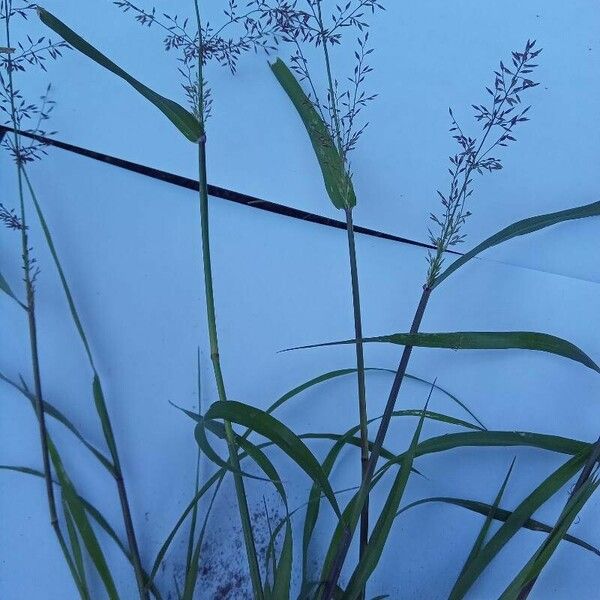
Eragrostis tenella, often known as Japanese Lovegrass or the charmingly named Bug’s Egg Grass, is a delicate, tufted annual that looks like a miniature mist hovering over the soil. Originally from the tropics of the Old World, it has danced its way into gardens and sidewalk cracks across the globe. While some gardeners view it as a persistent weed, its airy, feather-light seed heads lend a soft, romantic texture to any patch of earth it claims.
🔍 How to Identify
- 🍃 Delicate Foliage: It features very narrow, flat leaf blades that are soft to the touch and typically a bright, cheerful green.
- 🌬️ Feathery Panicles: The flower heads are exceptionally fine and open, resembling tiny, intricate feathers or a light purple-green haze when swaying in the wind.
- 🌱 Tufted Habit: It grows in small, dense clumps (tussocks) that usually stay quite low to the ground, rarely exceeding a foot in height, making it look like a tiny ornamental grass.
🏡 In Your Garden
- 🌾 Soil Opportunist: This grass thrives in the gaps—cracks in the pavement, edges of garden beds, and sandy patches. It loves disturbed soil and will happily move in wherever there is a bit of bare ground and sunlight.
- 💧 Drought Strategy: It is a "live fast, die young" plant. It matures quickly and produces thousands of seeds, allowing the species to survive even in areas where water is inconsistent or the environment is harsh. If you find it in your lawn, it usually indicates a spot where the soil is a bit compacted or dry.
⚠️ Safety & Toxicity
- ✅ Non-Toxic: Eragrostis tenella is generally considered safe and non-toxic for humans, dogs, and cats.
- 🤧 Allergy Alert: Like most grasses, its fine, lightweight pollen can be a minor irritant for those who suffer from seasonal hay fever when the plant is in full bloom.
✨ Fun Fact
The nickname "Bug’s Egg Grass" comes from the tiny, translucent grains it produces; to the naked eye, the clusters of seeds nestled within the feathery spikes look remarkably like the eggs of small insects!

Detailed Care Instructions








