Plant Overview
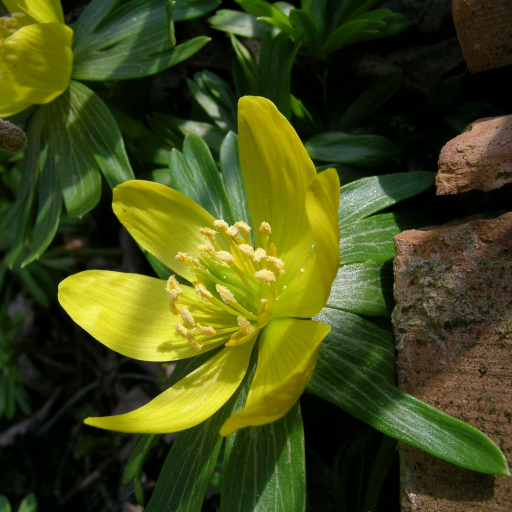
Often called the "Winter Aconite," Eranthis hyemalis is the golden alarm clock of the garden. While most plants are still tucked away under a blanket of frost, these cheerful yellow cups punch through the snow to announce that spring is on its way. Native to the woodland floors of Europe, they are famous for creating glowing carpets of gold long before the first daffodil dares to wake up.
🔍 How to Identify
- 🌼 The Bloom: Small, buttercup-like flowers that are bright yellow and bowl-shaped. They have a clever habit of opening wide in the sunlight and hugging themselves shut during cloudy weather or at night.
- 🥬 The "Ruff": Each flower is framed by a distinctive collar of deeply lobed, bright green leaves (bracts) that look like a tiny Victorian frill or a leafy Elizabethan collar.
- 📏 Dwarf Stature: This is a true miniature plant, rarely growing taller than 3 to 4 inches. It spreads via underground tubers to form dense, low-growing colonies.
🏡 In Your Garden
- 🌳 Woodland Logic: These plants evolved to live under deciduous trees. They take advantage of the "light window" in late winter before the trees grow leaves, then go dormant and enjoy the cool shade once the canopy fills in during summer.
- 💧 Moisture Consistency: Unlike many spring bulbs that prefer to bake in dry soil during the summer, Winter Aconite tubers hate to dry out completely. They thrive in humus-rich soil that mimics the damp, decaying leaf litter of a forest floor.
- 🐜 Ant-Assisted Spreading: If you notice them popping up in unexpected spots, thank the ants! The seeds have a fatty attachment called an elaiosome that ants love; they carry the seeds to their nests, effectively "planting" them in new locations.
⚠️ Safety & Toxicity
- 🚫 Status: Highly Toxic.
- 🐾 Details: All parts of the plant, especially the tubers, contain cardiac glycosides. If ingested, it can cause severe illness in humans, cats, and dogs, affecting the heart and digestive system.
- 🧤 Handling: It is wise to wear gloves when planting the tubers, as the juices can cause mild skin irritation for those with sensitive skin.
✨ Fun Fact
- 🐝 A Lifeline for Bees: Because it is one of the very first plants to bloom, it serves as a critical "emergency" food source for honeybees who venture out of the hive on unseasonably warm winter days when nothing else is in flower.

Detailed Care Instructions
Consider a non-toxic alternative to winter aconites. If you're looking to add a similarly vibrant yellow flower to your garden, yellow petunias may be a good option.
Can I grow winter aconites indoors?
While winter aconites prefer outdoor planting, you can grow them indoors as long as you can closely mimic outdoor conditions. Providing indoor winter aconites with full, bright sun is essential to its growth.
Are winter aconites invasive?
Winter aconites are not categorized as invasive, but their rampant reproduction tendencies can lead to a potentially unwanted surplus in your garden if left unattended.
To grow Eranthis Hyemalis, commonly known as winter aconite, follow these steps:
- Choose a suitable planting location: Winter aconites prefer moist, well-drained soil with partial to full shade. They can tolerate some sunlight but prefer cool conditions.
- Prepare the soil: Loosen the soil in the planting area and add organic matter, such as compost or peat moss, to improve drainage and fertility. Remove any weeds or debris.
- Plant the bulbs: Eranthis Hyemalis is typically sold as bulbs. Plant the bulbs in early fall, about 1-2 inches deep and 3-4 inches apart. If you live in a warmer region, refrigerate the bulbs for a few weeks before planting to mimic a cold winter period.
- Watering: After planting, water the bulbs thoroughly to help settle the soil and activate growth. Throughout the growing season, keep the soil consistently moist but not waterlogged.
- Mulching: Applying a layer of organic mulch, like bark chips or dried leaves, can help retain moisture and regulate soil temperature. Mulch should be around 2 inches deep but avoid directly covering the emerging shoots.
- Fertilization: While winter aconites don't require much fertilization, you can apply a balanced, slow-release fertilizer in early spring to promote healthy growth.
- Maintenance: Winter aconites are relatively low-maintenance, but regular watering during dry spells and removing any weeds or competing plants will help their growth. After flowering, allow the foliage to die back naturally before removing it.
- Division: After a few years, winter aconite clumps may become crowded. To rejuvenate the plants, divide the clumps in early summer when they are dormant. Dig up the clumps, carefully separate the bulbs, and replant them in new locations.
With proper care, Eranthis Hyemalis should establish and spread over time, providing beautiful yellow flowers in early spring.

Place in a window with dappled sun or a spot in the middle of a room. Or directly in a window facing west or east.

To properly water this plant, you should wait until the top inch of soil has dried out before watering. When you do water, make sure to thoroughly saturate the soil until the excess water drains out of the bottom of the pot. It is important to avoid getting water on the foliage and flowers, as this can cause damage and increase the risk of disease. In addition, this plant prefers slightly acidic soil with good drainage, so be sure to choose a potting mix that meets these requirements. Overall, consistent and careful watering is key to ensuring the health and vitality of this plant.
To fertilize this plant, apply a balanced fertilizer in early spring before growth begins. Use a half-strength solution and water it in well. Repeat every 4-6 weeks during the growing season, until the plant goes dormant in early summer. Avoid over-fertilizing, as this can lead to excessive foliage growth at the expense of flowers. Alternatively, use a slow-release fertilizer in early spring for continuous feeding throughout the growing season. Always follow the fertilizer label's instructions and handle with care.
Eranthis Hyemalis prefers a soil that is rich in organic matter and well-draining. A loamy soil with a slightly acidic to neutral pH level is ideal for the plant's growth. The soil should also be kept moist, but not waterlogged, to promote healthy root growth. It's important to avoid soil that is heavy in clay, as this can cause poor drainage and lead to root rot. Adding compost or well-rotted manure to the soil can help improve its quality, providing necessary nutrients for the plants to thrive. Overall, a well-draining, rich, and slightly acidic to neutral soil is the best choice for planting Eranthis Hyemalis.
To propagate this plant, first collect seeds from the mature flower heads in the early spring. Place the seeds in a plastic bag with moist peat moss and store them in the refrigerator for six weeks to encourage germination. After this period, plant the seeds in a potting mix that is well-draining and keep the soil moist.
Alternatively, mature plants can be divided in the fall when they are dormant. Dig up the plant and gently separate the root clumps. Replant each section in a new location or container with well-draining soil that is rich in organic matter. Keep the newly transplanted plants moist until they establish roots.
Common pests of the winter aconite include Aphids, thrips. Make a habit of checking your winter aconite frequently for pests so that any infestations can be caught and managed early.








