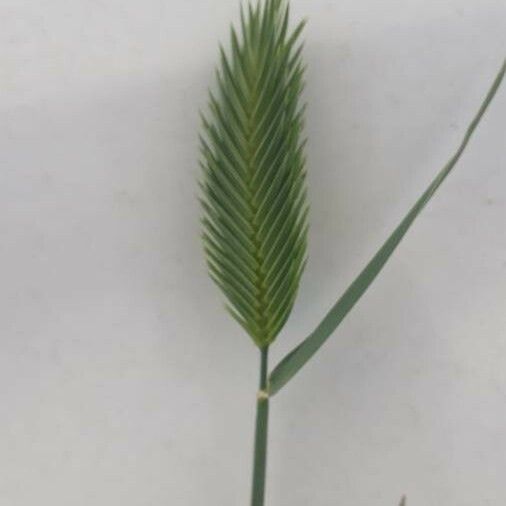
Plant Overview
Known as "Annual Wheatgrass" or "Little Wheatgrass," this hardy grass is a miniature mimic of the wheat we use for bread. Originally a traveler from the dry steppes of Eurasia, it has made itself quite at home in the arid landscapes of the Western United States. It is a plant of speed and strategy, racing to complete its entire life cycle in the brief window of spring moisture before the summer sun turns the plains to gold.
🔍 How to Identify
- 🌾 The Seed Head: The most distinctive feature is its compact, flattened spike that looks like a tiny, bristly fan or a miniature ear of wheat, usually measuring only 1 to 2 inches in length.
- 🌿 Leaf Texture: The leaves are short, flat, and relatively narrow, often possessing a slightly rough or "scabrous" texture if you run your finger along the blade.
- 📏 Stature: Unlike its towering agricultural cousins, this grass is a "low-rider," typically reaching only 4 to 12 inches in height, often growing in small, tidy tufts.
🏡 In Your Garden & Landscape
- 🏜️ Disturbance Specialist: This plant loves "pioneer" life; you will often find it popping up in areas where the soil has been recently moved, along roadsides, or in overgrazed pastures where other plants have struggled.
- 💧 Drought Strategy: Because it is an annual, it doesn't try to fight the summer drought. Instead, it grows rapidly in early spring, sets hundreds of seeds, and then dies back, leaving its offspring to wait in the soil for next year’s rain.
⚠️ Safety & Toxicity
- ✅ General Safety: Eremopyrum triticeum is considered non-toxic to humans, horses, and household pets.
- 🐕 Mechanical Irritation: The main concern is "mechanical." When the seed heads dry out, the bristles (awns) can become stiff and sharp. These can occasionally get caught in a pet's fur, ears, or between paw pads, potentially causing minor irritation or requiring a quick grooming session.
✨ Fun Fact
- 🎓 The Desert Grain: Its scientific name is a literal description of its lifestyle; Eremopyrum comes from the Greek words eremos (desert) and pyros (wheat), making it the "Wheat of the Desert."

Detailed Care Instructions

Place in a bright room that is sun drenched almost all day. Or directly in a south-facing window.

Some plants require more regular watering than others, which should be done every few days. It's critical to maintain the soil moist all of the time. The water requirements of the same plant placed in pots with varying sizes will differ. Because the water in the smaller pot evaporates faster than the water in the larger pot, it will require more watering. Regardless of pot size, the surface should constantly be maintained moist.








