Plant Overview
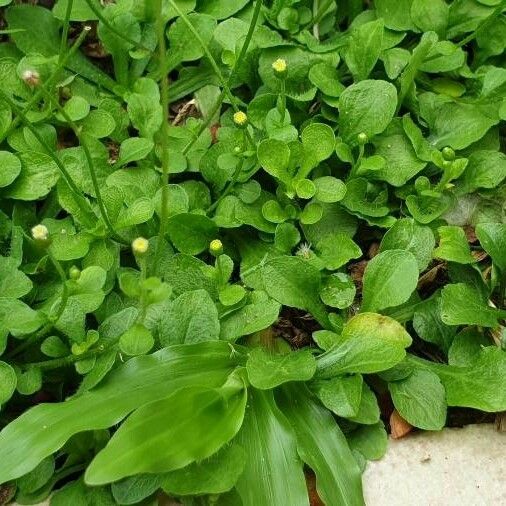
Often called the "Island Fleabane" or simply the "Little Daisy," Erigeron bellioides is a charming, low-profile perennial that frequently hides in plain sight within lush lawns. Native to the Caribbean, this resilient ground-dweller is famous for its ability to mimic the classic English Daisy while remaining small enough to duck beneath the blades of a lawnmower. It’s a favorite for those who love a "wildflower lawn" aesthetic, adding a sprinkle of white stars to any patch of green.
🔍 How to Identify
- 🌼 The Flowers: Tiny, daisy-like blooms featuring a bright yellow "eye" (disk florets) surrounded by numerous thin, white-to-pale-pink petals (ray florets).
- 🍃 The Foliage: Small, spoon-shaped (spatulate) leaves that grow in tight, flat rosettes close to the soil.
- 🏃 The Growth: It spreads via "stolons" or runners—horizontal stems that creep along the ground, allowing it to form dense, carpet-like mats over time.
🏡 In Your Garden
- 🌱 Groundcover Potential: Because it stays exceptionally low and handles light foot traffic well, it is often used as a "steppable" plant between pavers or as a flowering alternative to traditional grass.
- 💧 Thirst for Moisture: Unlike some of its desert-dwelling cousins, this specific Fleabane prefers consistent moisture. It thrives in damp spots where other sun-loving wildflowers might struggle.
- ✂️ Mower Resistant: One of its survival "superpowers" is its height; it grows so close to the earth that it can survive regular mowing, blooming again just days after the blades pass over it.
⚠️ Safety & Toxicity
- ✅ General Safety: Erigeron bellioides is not considered highly toxic. It is generally safe to have around children and common household pets.
- 🌿 Skin Sensitivity: While not poisonous, some individuals with sensitive skin may experience mild contact dermatitis (redness or itching) when handling the sap or fuzzy leaves extensively.
- 🐾 Pet Note: As with any non-culinary plant, it is best to discourage pets from grazing on large amounts to avoid minor stomach upset.
✨ Fun Fact
The genus name Erigeron comes from the Greek words "Eri" (early) and "Geron" (old man). This refers to the fluffy, white seed heads that appear shortly after flowering, looking like the wispy white beard of an elderly man!

Detailed Care Instructions
To grow Erigeron bellidoides (daisy fleabane), you can follow these steps:
- Choose a Location: Erigeron bellidoides prefers full sun to partial shade. Select a spot in your garden that receives at least 6 hours of sunlight per day.
- Soil Preparation: This plant thrives in well-draining soil. Prepare the soil by loosening it with a garden fork or tiller. Mix in organic matter like compost or well-rotted manure to improve drainage and fertility.
- Planting: Dig a hole slightly larger than the root ball of your Erigeron bellidoides plant. Place the plant in the hole, making sure that the top of the root ball is level with the soil surface. Backfill the hole with soil, gently firming it around the roots.
- Watering: Water the plant thoroughly after planting to settle the soil. Aim to keep the soil consistently moist but not waterlogged. Water deeply whenever the top inch of soil feels dry.
- Mulching: Apply a layer of organic mulch around the base of the plant. This helps conserve moisture, suppress weeds, and regulate soil temperature.
- Maintenance: Trim back any dead or spent flowers to encourage continuous blooming. Divide the plant every few years to maintain its vigor. Dividing can be done in early spring or fall.
- Pests and Diseases: Erigeron bellidoides is relatively resistant to pests and diseases. However, keep an eye out for aphids and slugs. Regular inspection and proper management will help control any infestations.
- Winter Care: In colder regions, Erigeron bellidoides may require some protection during winter. Apply a layer of mulch around the base of the plant to insulate the roots.
Remember to always check for specific care instructions for your specific variety of Erigeron bellidoides, as different cultivars may have slightly different requirements.

Place in a bright room that is sun drenched almost all day. Or directly in a south-facing window.

Erigeron Bellioides is a flowering plant that belongs to the Asteraceae family. To properly water the plant, follow these guidelines:
1. Determine the soil moisture level. Check the soil regularly, and only water when the soil is dry to the touch. Overwatering can lead to root rot, which is detrimental to the plant's health.
2. Water early in the morning or late in the evening when the temperature is cooler to avoid evaporation. This ensures that the plant receives enough water without wasting it.
3. Use a watering can or a hose with a spray nozzle to water the plant. Water gently to avoid dislodging the soil or damaging the plant.
4. Direct the water towards the soil, not the leaves or flowers. This prevents waterlogged leaves or flowers, which can lead to fungal diseases.
5. Water thoroughly until the soil is moist but not waterlogged. Drain excess water to avoid standing water, which can smother the roots.
6. Monitor the plant's response to watering. If the leaves are wilting or the flower buds are dropping, the plant needs more water. If the leaves are yellowing or the stems are mushy, the plant may be overwatered.
7. Adjust the watering frequency according to the plant's needs. As the plant matures, it may require more or less water depending on its size and environmental factors.
To fertilize this plant, use a balanced fertilizer with equal amounts of nitrogen, phosphorus, and potassium. Apply the fertilizer in early spring, before new growth appears, and again in late summer or early fall. Use a slow-release granular fertilizer or a liquid fertilizer diluted according to package instructions. Water the plant well before and after fertilizing to help the fertilizer soak into the soil. Avoid over-fertilizing, as this can encourage weak growth and make the plant more susceptible to pests and disease.
Erigeron Bellioides plant prefers a well-draining soil mix that is not too heavy. The soil should have a slightly acidic to neutral pH range. It is best to use a high-quality potting mix that is formulated for perennials to ensure the plant gets the necessary nutrients and drainage. Adding perlite or sand to the soil mix can also improve drainage. It is important to regularly check the soil moisture and not let the soil dry out completely between watering.
To propagate this plant, you will need to collect seeds and plant them in a well-draining soil mix. Sow the seeds on the surface of the soil and lightly press them down. Water the soil gently to keep it moist but not waterlogged. Keep the soil warm and in a partially shaded area. The seeds should germinate within a few days to a few weeks. Once the seedlings have grown a few leaves, carefully transplant them into their own pots or into the garden. Be sure to keep the soil moist and protect the young plants from harsh sunlight or extreme temperatures. With proper care, the Erigeron Bellioides plant will thrive and grow into a beautiful addition to your garden.








