Plant Overview
The Tufted Fleabane, or Erigeron caespitosus, is a rugged little survivor of the high plains and rocky mountainsides of North America. Often found clinging to limestone ridges or sun-drenched prairies, this plant earns its name from its "tufted" growth habit, forming low-profile cushions that look like miniature wildflower meadows. It is the perfect choice for a "set it and forget it" rock garden or a xeriscape.
🔍 How to Identify
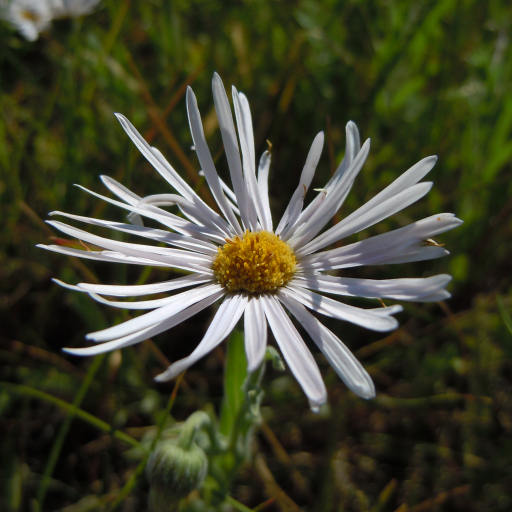
- 🌼 The Blooms: Features classic daisy-like flowers with numerous thin, thread-like "ray" petals that range from pure white to soft pink or pale lavender, all surrounding a bright golden-yellow center.
- ☁️ Fuzzy Foliage: The stems and leaves are covered in fine, stiff hairs (hirsute), which give the plant a slightly greyish or silvery cast. This "fuzz" helps protect the plant from intense mountain sun and drying winds.
- 🌱 Growth Habit: True to its name, it grows in dense, low-growing clumps or "caespitose" mounds, rarely reaching more than 10 inches in height, making it an excellent ground-hugging specimen.
🏡 In Your Garden
- 🏜️ Drainage is King: Because this plant naturally lives in rocky, sandy, or gravelly soils, it absolutely loathes "wet feet." In a garden setting, ensure the soil is gritty; heavy clay will likely cause the roots to rot during winter dormancy.
- ⛏️ The Taproot Trap: Like many mountain dwellers, it develops a deep woody taproot to find water. This makes it incredibly drought-tolerant once established, but it also means it hates being moved. Choose its permanent home carefully, as transplanting an adult Fleabane is often unsuccessful.
⚠️ Safety & Toxicity
- 🌿 Status: Generally considered non-toxic to humans and common household pets.
- 🧤 Skin Sensitivity: While not poisonous, the stiff hairs on the leaves and stems can cause mild skin irritation or "contact dermatitis" for gardeners with sensitive skin. It is always a good idea to wear gloves when dividing or pruning the clumps.
✨ Fun Fact
The name "Fleabane" comes from an old folk belief that dried bundles of these flowers could be burned or stuffed into mattresses to drive away fleas and gnats. While modern science hasn't found much proof of its insect-repelling powers, the name has stuck for centuries!

Detailed Care Instructions
To successfully grow the Erigeron caespitosus plant, also known as the tufted fleabane or tufted daisy, you can follow these steps:
- Choose the right location: The plant prefers full sun but can tolerate partial shade as well. Ensure the planting area has well-draining soil.
- Prepare the soil: Before planting, amend the soil with organic matter such as compost to improve drainage and add nutrients. Avoid heavy clay soils.
- Propagation: The tufted fleabane can be grown from seeds or from divisions. Seeds can be sown directly in the garden in early spring or fall, or you can start them indoors a few weeks before the last frost. Divide established plants in early spring or fall by digging up the clump and separating it into smaller sections.
- Planting: Whether you are using seeds or divisions, dig a hole slightly larger than the rootball or seeds. Place the plant or seeds into the hole and backfill with soil, ensuring the top of the rootball is level with the surrounding soil. Lightly tamp down the soil.
- Watering: Keep the soil moist but not overly wet. Water thoroughly after planting and then water when the top inch of soil feels dry. Avoid overwatering, as the plant prefers slightly drier conditions.
- Maintenance: Mulch around the base of the plant to help conserve moisture and suppress weed growth. Remove weeds as they appear. Deadhead spent flowers to promote blooming.
- Pruning: In late fall or early spring, cut back the plant to a few inches above the ground to promote healthy growth and rejuvenation.
- Pests and diseases: The erigeron caespitosus plant is generally disease-resistant, but it can be susceptible to aphids or slugs. Monitor the plant and treat any infestation promptly.
By following these guidelines, you should be able to successfully grow the Erigeron caespitosus plant and enjoy its charming daisy-like flowers.

Place in a bright room that is sun drenched almost all day. Or directly in a south-facing window.

Watering an Erigeron Caespitosus plant is important for its growth and survival. The plant requires moderate watering and needs to be watered regularly during the growing season, especially in dry and hot weather. The soil around the plant should be kept moist but never waterlogged, as waterlogging can result in root rot.
To water the plant, gently pour water around the base of the plant, making sure to wet the soil evenly. Avoid watering the leaves or stem of the plant, as it can lead to disease and damage. Water the plant in the morning or late afternoon, as watering during the hot part of the day can cause the water to evaporate quickly, leading to insufficient water for the plant.
The frequency of watering depends on the plant's environment, such as the type of soil, humidity, and temperature. However, a general guideline is to water the plant once a week, adjusting the frequency as needed.
In summary, watering an Erigeron Caespitosus plant requires moderate watering, avoiding waterlogging, watering around the base of the plant, and avoiding watering its leaves or stem. Water the plant in the morning or late afternoon and adjust the frequency of watering according to the plant's environment.
To fertilize this plant, you should use a well-balanced, slow-release fertilizer in the early spring, just before new growth appears. You should scatter a handful of the fertilizer around the base of the plant and then water thoroughly. Repeat this process in mid-summer to encourage continued growth and flowering. Avoid fertilizing late in the fall or winter, as this can stimulate new growth that may be killed by frost.
Erigeron Caespitosus plants grow best in a well-draining soil that is rich in organic matter. It prefers a soil pH between 5.5 and 7.5 and can tolerate a wide range of soil types, including sandy, loamy, or clay soils. It is also important to ensure that the soil does not become waterlogged, as this plant does not tolerate wet feet. Therefore, it is recommended to add perlite or sand to the soil mix to improve drainage. The plant prefers full sunlight but can also tolerate some shade, and it is recommended to ensure that the soil is moist (not waterlogged) but not too dry. Adding compost or other organic matter to the soil can also help improve soil structure, water-holding capacity, and overall plant health.
Erigeron caespitosus is a perennial plant that can be propagated through several methods such as division, seed propagation, and cuttings propagation.
Propagation by division:
- Dig up a mature plant in early spring or fall when it is dormant.
- Use a clean and sharp spade to divide the root system into sections.
- Each section should have at least two stems and a healthy root system.
- Replant the divisions in a well-draining soil mix in a location that receives full sun or partial shade.
- Water the transplants regularly and keep them in a protected area until they establish a strong root system.
Propagation by seed:
- Collect mature seeds from the dried flowers of the plant.
- Dry the seeds in a warm and dry location for a few days before sowing.
- Sow the seeds in a well-draining soil mix in a container or directly in the soil.
- Provide the seeds with a moist environment and place them in an area that receives full sun or partial shade.
- Water the seeds regularly and keep them protected until they germinate and develop strong root systems.
Propagation by cuttings:
- Take cuttings from the mature stems of the plant in early summer.
- Cut the stems into 4-5 inch long sections with a sharp and clean pair of scissors.
- Remove the lower leaves from the stem and dip the cut end in rooting hormone.
- Plant the cuttings in a well-draining soil mix and keep them in a humid and protected environment.
- Water the cuttings regularly and allow them to develop roots before transplanting to their final location.








