Plant Overview
Known as Dog Mustard or French Rocket, this resilient traveler from Europe has successfully made itself at home across North America. While often dismissed as a mere roadside weed, it belongs to the noble Brassicaceae family, making it a wild cousin to broccoli and kale. It is a pioneer species, often the first to bring a splash of pale yellow to gravelly, disturbed lands where other plants refuse to grow.
🔍 How to Identify
- 🌼 Pale Yellow Blooms: Look for small, four-petaled flowers that grow in clusters at the top of the stems, typical of the mustard family.
- 🍃 Deeply Lobed Leaves: The foliage is "pinnatifid," meaning the leaves are deeply cut almost to the midrib, giving them a jagged, feathery appearance.
- 🌱 Hairy Stems: The lower part of the plant is usually covered in downward-pointing hairs, which helps distinguish it from some of its smoother-stemmed relatives.
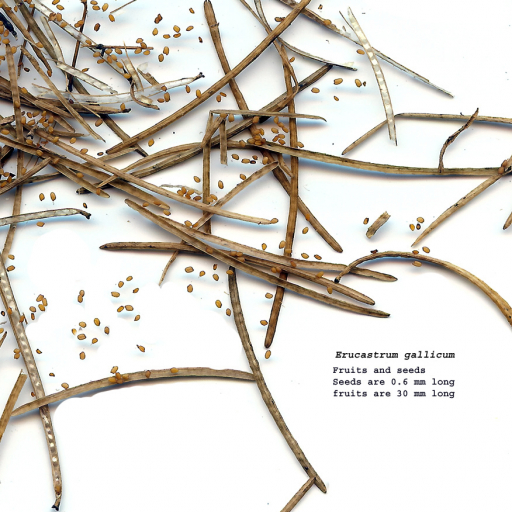
- 🍢 Slender Seed Pods: It produces long, thin pods (siliques) that contain a single row of seeds and typically curve slightly upward toward the sky.
🏡 In Your Garden
- 🧱 Disturbed Soil Specialist: Dog Mustard loves "bad" soil. You’ll rarely find it in a pristine garden bed; instead, it thrives in the cracks of sidewalks, gravel driveways, and construction sites.
- ☀️ Sun Seeker: This plant is an obligate sun-lover. It uses its deep taproot to find moisture in dry areas, allowing it to stay green even when the surrounding grass has turned brown from the heat.
- 🦋 Pollinator Support: While considered a weed by many, its early and mid-summer blooms provide a vital nectar source for small syrphid flies and native bees in urban environments.
⚠️ Safety & Toxicity
- ✅ Generally Safe: Dog Mustard is not considered toxic to humans, cats, or dogs.
- 🌾 Nitrate Caution: Like many wild mustards, if it grows in soil heavily treated with chemical fertilizers (like near industrial farms), it can accumulate nitrates. While not a concern for a curious pet, it can be an issue for livestock if consumed in very large quantities.
✨ Fun Fact
The "Dog" in its common name doesn't mean it’s for dogs! In historical botany, the prefix "dog-" was often used to describe a plant that looked similar to a useful herb but was considered "inferior" or "wild"—in this case, a wild version of the culinary mustard plant.

Detailed Care Instructions
To grow Erucastrum Gallicum (Rocket Cress), follow these steps:
- Choose the right location: Erucastrum Gallicum prefers full sun to partial shade. Select a spot in your garden that receives at least 6 hours of direct sunlight per day.
- Prepare the soil: Rocket Cress thrives in well-drained, sandy soil. Amend the soil with organic matter, such as compost or aged manure, to improve drainage and ensure proper nutrition.
- Plant the seeds: Sow the Rocket Cress seeds directly in the garden bed, about 1/4 inch deep. Space the seeds around 4-6 inches apart to allow for proper growth.
- Watering: Keep the soil consistently moist, but avoid overwatering to prevent root rot. Water the plants deeply whenever the soil feels dry to the touch.
- Fertilization: Maintain the soil's fertility by fertilizing every 4-6 weeks with a balanced fertilizer. Follow the instructions on the fertilizer packaging for proper application.
- Mulching: Apply a layer of organic mulch, such as straw or dried leaves, around the plants to retain moisture, regulate soil temperature, and suppress weed growth.
- Pruning and thinning: Once the Rocket Cress plants reach a height of 4-6 inches, thin them out by removing excess seedlings to allow proper spacing and prevent overcrowding. Monitor the plants and prune any damaged or old growth to promote healthy regrowth.
- Pest and disease control: Monitor your plants regularly for any pests or diseases. Common pests that affect Rocket Cress include aphids and flea beetles. Use organic pest control methods like insecticidal soaps or neem oil to control these pests.
- Harvesting: Harvest the young, tender leaves of Rocket Cress for salads and garnishes around 4-6 weeks after sowing. Snip the leaves just above the soil level, and new growth will continue to appear.
By following these steps, you can successfully grow Erucastrum Gallicum in your garden.

Place in a bright room that is sun drenched almost all day. Or directly in a south-facing window.

To water this plant, you should first check the soil moisture level by sticking your finger about an inch into the soil. If it feels dry, water the plant thoroughly until the water drains out of the bottom of the pot. Do not let the plant sit in standing water as it can lead to root rot. It is recommended to water the plant in the morning or late afternoon to allow the water to be absorbed before evaporation occurs due to the heat of the day. It is also important to avoid getting water on the leaves as this can cause fungal growth.
To fertilize this plant, you should apply a balanced, all-purpose fertilizer during the growing season. Follow the instructions on the fertilizer package for how much to use and how often to apply. Be careful not to over-fertilize, as this can lead to burned or damaged foliage. Additionally, make sure the soil is moist before applying fertilizer to prevent roots from burning.
The soil that is suitable for growing this plant is a well-draining soil mix that is rich in organic matter. It should be slightly acidic to neutral with a pH range of 6.0 to 7.0. This plant prefers a soil that is not too heavy and does not stay too wet. It tolerates some drought but regular watering is recommended to keep the soil moist. It also benefits from the addition of some fertilizer that is balanced in nutrients, such as a 10-10-10 or 20-20-20 fertilizer. Additionally, it is important to avoid using soil that is contaminated with chemical substances or has a high concentration of salts, as this can be harmful to the plant's growth and health.
To propagate this plant, you can begin by collecting its seeds or cuttings from a mature plant. Seeds can be sown directly into soil or started indoors in pots to allow for controlled growth. It is important to ensure that the soil is well-draining and the seedlings are kept moist but not over-watered.
To propagate through cuttings, select a healthy stem from the plant and cut just below a node, where leaves grow from the stem. Remove the leaves from the bottom of the cutting and dip the cut end in rooting hormone powder. Plant the cutting in well-draining soil and cover with a clear plastic bag to maintain humidity.
Keep the soil and/or cuttings moist and in a warm, sunny location. With proper care and maintenance, the Erucastrum Gallicum plant will begin to produce new growth and can eventually be transplanted into a larger container or into the ground.








