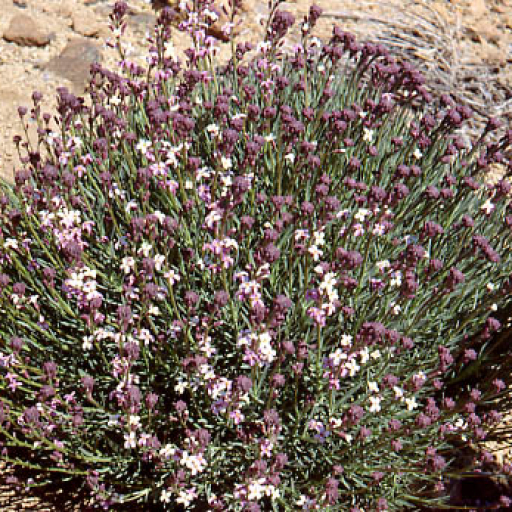
Plant Overview
Erysimum, more affectionately known as the "Wallflower," is the ultimate symbol of resilience and understated beauty. Often seen tucked into the crevices of old stone walls or cliff faces, these blooms offer a sweet, clove-like fragrance that can perfume an entire garden walkway. From their Mediterranean roots to modern English cottage gardens, they have long been cherished as one of the first reliable signs of spring.
🔍 How to Identify
- 🌸 Flower Shape: Distinctive four-petaled flowers arranged in a "cross" (cruciform) shape, which is a classic trait of the Brassicaceae (mustard) family.
- 🍃 Foliage: Narrow, lance-shaped leaves that are often a deep, dusty green and slightly hairy to the touch, helping the plant retain moisture.
- 🌈 Color Palette: While classic wild varieties are bright yellow or burnt orange, modern cultivars come in vibrant purples, sunset pinks, and even bicolors.
🏡 In Your Garden
- 🏗️ The Drainage King: These plants earned the name "Wallflower" because they thrive in the sharp drainage of stone walls. In a garden bed, they will quickly suffer if the soil stays "wet and heavy" around their roots; they prefer a bit of grit.
- 🦋 Pollinator Magnet: They are one of the most important early-season nectar sources for bees and butterflies, providing essential fuel when few other flowers have woken up for the season.
- ✂️ Short-Lived Beauty: Most Erysimum are short-lived perennials or biennials. To keep them from getting "leggy" or woody, it is best to prune them back lightly after their first flush of flowers.
⚠️ Safety & Toxicity
- 🐕 Mildly Toxic: Erysimum contains cheirantin, a type of cardiac glycoside. While it is extremely bitter (which usually stops pets from eating much), it can cause upset stomachs or heart rhythm issues if ingested in large quantities.
- 🧴 Skin Irritation: The fine hairs on the leaves can sometimes cause mild skin irritation for those with sensitive skin. It’s a good idea to wear gloves when doing a heavy pruning session.
✨ Fun Fact
In the Victorian era, the term "wallflower" referred to the plant's habit of growing on the edges of ruins and social gatherings. It eventually became a popular metaphor for shy people at dances who stayed against the wall, watching the festivities rather than participating!

Detailed Care Instructions
| Color | Yellow, Orange, Purple, Pink, Blue |
| Soil Ph | 7.0-9.0 |
| Invasive | Weed |
| Lighting | Full Sun |
| Soil Type | Sandy, Well-Drained |
| Bloom Time | Spring, Summer, Fall |
| Plant Type | Perennial, Annual |
| Mature Size | 1 To 3 Feet Tall |
| Native Area | Southern Europe |
| Sun Exposure | Full Sun, Part Sun |
| Hardiness Zones | 6-9 |

Place in a window with dappled sun or a spot in the middle of a room. Or directly in a window facing west or east.

Erysimum plant should be watered regularly to prevent the soil from drying out. The frequency of watering depends on the temperature, humidity, and the type of soil in which it is planted. It is important to water the plant deeply, ensuring that the water penetrates to the roots. However, avoid over-watering as it can lead to root rot and other diseases. Allow the soil to dry out slightly between waterings. The best time to water erysimum plant is early in the morning or late in the evening, when the temperature is cooler, and the sun is not shining directly on the plant. Additionally, avoid getting water on the foliage as it can cause fungal diseases.
Erysimum plants prefer well-draining soil that is fertile and rich in organic matter. The ideal soil pH range for these plants is between 6.5 and 7.5. A mix of soil that includes loam, sand, and peat moss or compost is usually recommended for optimal growth. It's important to make sure that the soil is not too heavy or compact to avoid root rot and other moisture-related problems. In addition, Erysimum plants are not tolerant of waterlogged conditions, so the soil should be allowed to dry out slightly between watering. Overall, a loose, well-drained soil with a slightly acidic to neutral pH is ideal for growing Erysimum plants.







