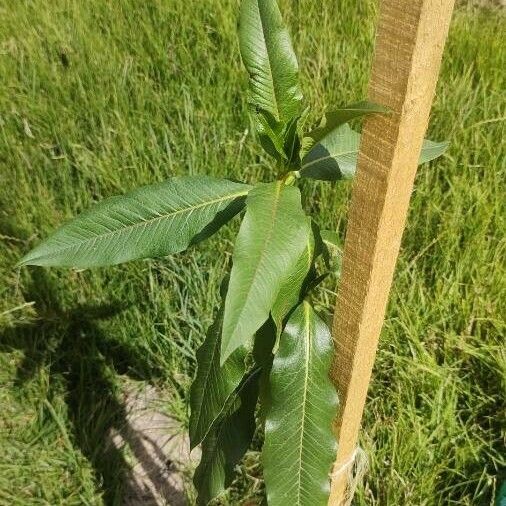
Plant Overview
The Escallonia pendula, often called the "Tassel Escallonia," is the graceful ballerina of the evergreen world. Unlike its bushier cousins that are typically used for boxy hedges, this species is celebrated for its weeping, fountain-like habit and long, pendulous flower clusters that sway in the breeze. Native to the high Andes of South America, it brings a touch of misty mountain elegance to any temperate landscape.
🔍 How to Identify
- 🌿 Growth Habit: Distinctly weeping branches that arch downward, creating a soft, cascading silhouette that can reach small tree proportions.
- 🍃 The Foliage: Small, glossy, dark green leaves with finely serrated edges that remain vibrant throughout the year.
- 🔔 The Flowers: Long, drooping "tassels" (panicles) of tiny, bell-shaped white or creamy flowers that appear in mid to late summer.
🏡 In Your Garden
- 🌊 Coastal Champion: Like most Escallonias, this plant is incredibly salt-tolerant, making it a perfect choice for seaside gardens where salt spray might kill more sensitive species.
- 🌱 Drainage is Key: While it loves moisture, it cannot stand "wet feet." It thrives best in well-draining soil; if planted in heavy clay, it may suffer from root rot or yellowing leaves.
- 🛡️ Shelter Needs: Because it originates from slightly warmer climates, it appreciates a spot protected from harsh, freezing winter winds which can "burn" the delicate weeping tips.
⚠️ Safety & Toxicity
- ✅ Safe Status: Escallonia pendula is generally considered non-toxic to humans, dogs, and cats.
- 👐 Skin Sensitivity: While not poisonous, the stems can be slightly woody and the leaves leathery; always wear gloves when pruning to avoid minor scratches or skin irritation from the sap.
✨ Fun Fact
The genus Escallonia was named in honor of Antonio Escallón y Flórez, a 18th-century Spanish traveler and physician who discovered these plants while exploring the mountains of Colombia.

Detailed Care Instructions

Place in a bright room that is sun drenched almost all day. Or directly in a south-facing window.

Some plants require more regular watering than others, which should be done every few days. It's critical to maintain the soil moist all of the time. The water requirements of the same plant placed in pots with varying sizes will differ. Because the water in the smaller pot evaporates faster than the water in the larger pot, it will require more watering. Regardless of pot size, the surface should constantly be maintained moist.







