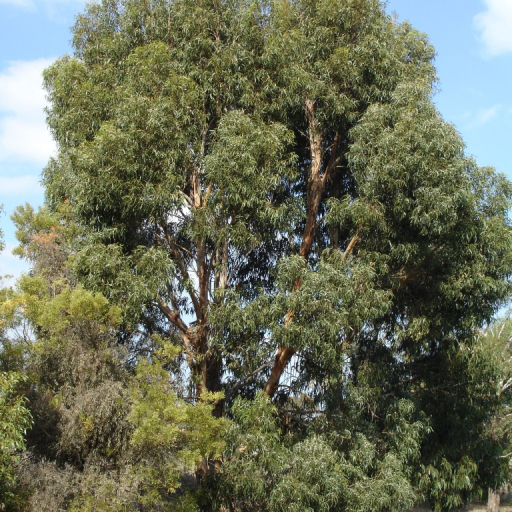
Plant Overview
Known affectionately as the Heart-leaved Silver Gum, this Tasmanian treasure is a showstopper in any landscape. Its striking, frosty-blue foliage looks almost as if it has been dipped in silver powder, making it a favorite for floral arrangements and "moon gardens." In its native habitat, it is a rare and localized find, but in cultivation, it is prized for its architectural beauty and unique "juvenile" leaves that stay heart-shaped even as the tree matures.
🔍 How to Identify
- 💙 The Leaves: The most distinct feature is the foliage; the leaves are perfectly heart-shaped (cordate) and grow in opposite pairs directly along the stems without stalks.
- ❄️ Silver Coating: Both the leaves and the stems are covered in a heavy, waxy white powder known as a "glaucous bloom," which gives the plant its luminous, metallic appearance.
- 🌼 Flowers & Buds: It produces clusters of three creamy-white flowers that emerge from distinctive, slightly square-shaped buds during the cooler months of winter and spring.
🏡 In Your Garden
- 🌬️ The Silver Shield: That powdery white coating isn't just for looks—it acts as a natural sunscreen and a barrier against pests. To keep this silver glow, the plant needs a spot with full sun and excellent air circulation.
- 🧱 Root Sensitivity: Like many of its Australian cousins, the Silver Gum develops a deep taproot and is notoriously "homebody" about its location. It hates being moved once planted, so choose its permanent spot carefully to avoid transplant shock.
- ✂️ Coppicing for Beauty: If you want the plant to stay shrub-like and produce an endless supply of heart-shaped leaves for vases, you can cut it back hard to the ground (coppicing) every few years.
⚠️ Safety & Toxicity
- 🐾 Toxic to Pets: Eucalyptus leaves contain essential oils (like eucalyptol) that are toxic to dogs, cats, and horses. Ingestion can lead to vomiting, diarrhea, and extreme lethargy.
- 👶 Child Safety: While the scent is refreshing, the leaves should never be ingested by children. The concentrated oils can also cause minor skin irritation or redness in people with sensitive skin if handled frequently.
✨ Fun Fact
The Eucalyptus cordata is a "neotenous" plant! This means it has the unique ability to reach reproductive maturity while retaining its "baby" characteristics. While most Eucalyptus trees eventually grow long, sickle-shaped adult leaves, this species chooses to keep its youthful heart-shaped leaves for its entire life.

Detailed Care Instructions
To grow Eucalyptus Cordata plant, you can follow these steps:
- Location: Choose a suitable location for planting the Eucalyptus Cordata. This plant prefers full sun and well-draining soil. Ensure the location has enough space for the plant to grow to its full size.
- Soil preparation: Before planting, prepare the soil by removing any weeds, rocks, or debris. Eucalyptus Cordata prefers slightly acidic soil with a pH level of 5.5 to 7.5. If needed, amend the soil with organic matter such as compost or well-rotted manure to improve drainage and fertility.
- Planting: Dig a hole that is slightly wider and deeper than the plant's root ball. Carefully place the Eucalyptus Cordata in the hole, ensuring the top of the root ball is level with the surrounding soil. Backfill the hole with soil, gently firming it around the base of the plant.
- Watering: After planting, water the Eucalyptus Cordata thoroughly and deeply to help it establish its roots. During the first few weeks, water regularly to keep the soil consistently moist but not waterlogged. Once the plant is established, it can tolerate drought conditions.
- Mulching: Apply a layer of organic mulch around the base of the plant, but make sure to keep it a few inches away from the trunk. Mulching helps retain moisture, suppresses weeds, and insulates the roots. Use bark chips, straw, or compost as mulch.
- Pruning: Eucalyptus Cordata generally does not require extensive pruning, but you can trim any dead or damaged branches as needed. Pruning can also be done to shape the plant, encourage bushier growth, or control the overall size.
- Fertilizing: Eucalyptus Cordata generally does not require heavy fertilization. However, you can apply a slow-release balanced fertilizer in spring to promote healthy growth.
- Pest and disease control: Monitor the plant for common pests and diseases such as psyllids, borers, and fungal infections. Treat any issues promptly with appropriate organic or chemical solutions.
- Maintenance: Regularly monitor the plant's growth and health, and provide any necessary care such as watering during extended dry periods. Remove any fallen leaves or debris from around the plant to reduce the risk of pests and diseases.
Remember that Eucalyptus Cordata is a large tree capable of reaching heights of 50-60 feet, so ensure you have enough space for its full growth before planting.
To provide optimal moisture to the Eucalyptus Cordata plant, you can follow these guidelines:
- Consider the water requirements: Eucalyptus Cordata generally prefers moist, well-drained soil. However, it is crucial not to overwater it since excessive moisture can lead to root rot.
- Check the soil: Before watering, you can use your finger or a moisture meter to evaluate the moisture level in the soil. Insert your finger around two to three inches deep into the soil near the plant's base. If the soil feels dry at this depth, it may be an indication that the plant needs water.
- Use room temperature water: Make sure to use water that is at room temperature, rather than cold water, as abrupt temperature changes can shock the roots. This can be achieved by filling a watering can or vessel with water and letting it sit for a few hours before using it.
- Water deeply and thoroughly: When watering, aim to saturate the soil around the plant evenly. This helps ensure that the water reaches the roots. Avoid just spritzing the surface; instead, water deeply until you observe water seeping out from the drainage holes.
- Timing is important: Watering in the early morning or late evening is often recommended as these are the cooler parts of the day, reducing the risk of evaporation. Additionally, watering during these times allows the plant to absorb moisture before the heat of the day, optimizing its water uptake.
- Adjust watering frequency with the seasons: During the warmer months or periods of drought, Eucalyptus Cordata may require more frequent watering. As the temperature cools or during rainy seasons, you can decrease the frequency to avoid overwatering.
- Consider environmental factors: Pay attention to environmental factors such as humidity levels and sunlight exposure. If the air is dry or the plant is exposed to direct sunlight, it may require more frequent watering to compensate for the increased evaporation rate.
Remember, these watering suggestions serve as general guidelines, and it is essential to assess the specific needs of your Eucalyptus Cordata plant and adjust watering accordingly.
To fertilize the Eucalyptus Cordata plant, follow these instructions:
- Choose a balanced, slow-release fertilizer with an N-P-K ratio of 10-10-10 or similar. This balanced formula will provide essential nutrients for proper growth and development.
- Apply the fertilizer in early spring, just before the start of the growing season. This timing will ensure that the plant receives the necessary nutrients when it needs them the most.
- Sprinkle the fertilizer evenly around the base of the plant, avoiding direct contact with the stems. It is preferable to spread the fertilizer over the entire root zone, reaching the edges of the plant's canopy.
- Use a garden fork or a gentle rake to lightly incorporate the fertilizer into the top layer of soil. Be careful not to damage the plant's shallow root system during this process.
- Water the plant thoroughly after fertilizing. This will help activate the fertilizer and allow the nutrients to penetrate the soil and reach the roots.
- Repeat the fertilization process once or twice during the growing season, with a gap of at least six to eight weeks between applications. Avoid over-fertilization, as it can lead to excessive foliage growth and weak branches.
By following these fertilizing instructions, you can help ensure the health and vitality of your Eucalyptus Cordata plant.
When selecting soil for Eucalyptus Cordata, it is important to consider its natural habitat and growth requirements. This particular species of Eucalyptus thrives in well-draining soil with a slightly acidic to neutral pH level. It prefers soil that is rich in organic matter and nutrients.
One recommended type of soil is a loamy mixture, which consists of a balanced combination of sand, silt, and clay. This composition supports a good drainage system, ensuring that excess water does not get trapped around the plant's roots and cause problems such as root rot.
Additionally, incorporating organic matter into the soil is beneficial for Eucalyptus Cordata. This can be achieved by adding compost, leaf mold, or well-rotted manure, which enhances the soil structure and nutrient content. Organic matter also improves moisture retention, providing a steady supply of water to the plant.
Maintaining a slightly acidic to neutral pH level is essential for the optimal growth of Eucalyptus Cordata. A pH range between 5.5 and 7.5 is generally suitable. Regular testing of the soil's pH levels can be done using a soil testing kit available at gardening stores to ensure the soil conditions are ideal.
Overall, providing a well-draining, slightly acidic to neutral soil enriched with organic matter creates a favorable environment for the healthy growth and development of Eucalyptus Cordata.
To propagate Eucalyptus Cordata plant, you can follow these steps:
- Start by collecting seeds from mature, healthy Eucalyptus Cordata plants. Ensure that the seeds are fully ripe, which is typically indicated by the outer husk of the seed turning brown and opening naturally.
- Once you have collected the seeds, remove any chaff or debris from them. You can do this by gently rubbing the seeds between your fingers or using a sieve.
- Next, prepare a propagation tray or small pots filled with a well-draining growing medium. You can use a mixture of peat moss, perlite, and vermiculite or a commercially available seed-starting mix.
- Moisten the growing medium slightly, ensuring it is evenly damp but not waterlogged.
- Sow the Eucalyptus Cordata seeds on the surface of the growing medium. Gently press the seeds into the soil but do not cover them with additional soil as they require light for germination.
- Place the tray or pots in a warm and bright location, such as a greenhouse or a sunny windowsill. Provide bottom heat if possible, as this can aid in germination.
- Keep the growing medium consistently moist but avoid overwatering, as excess moisture can cause fungal diseases. Mist the seeds regularly or cover the tray with a clear plastic lid to retain moisture.
- Germination usually takes around 2-4 weeks, but it can vary. Be patient and ensure that the growing conditions remain optimal.
- Once the seedlings have developed a few sets of true leaves, they can be transplanted into individual pots. Use a well-draining potting mix and ensure the pots have drainage holes to prevent waterlogging.
- Continue providing the seedlings with bright light and regular watering. Gradually acclimate them to the outdoor conditions before transplanting them into their permanent location.
Remember, Eucalyptus Cordata is native to specific regions and may have specific cultivation requirements. It is important to understand the specific needs of this plant for successful propagation and growth.








