Plant Overview
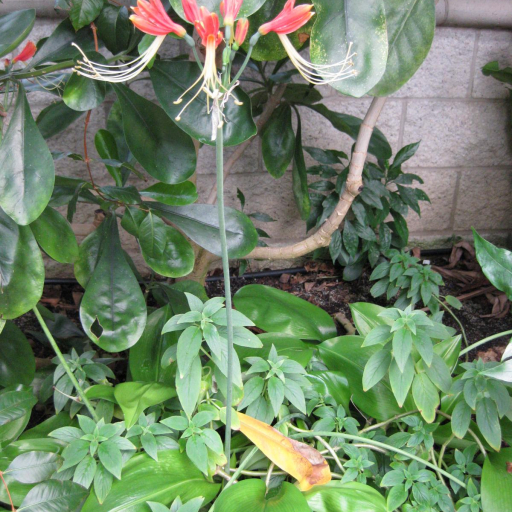
Known as the "Peruvian Lily" (though it is quite different from the common Alstroemeria), Eucrosia bicolor is a show-stopping bulbous plant that looks like it stepped out of a botanical fantasy. Native to the dry forests of Ecuador and Peru, it is famous for its "alien-like" flowers that feature incredibly long, sweeping stamens. It is a favorite for collectors who want a dramatic, low-maintenance conversation piece.
🔍 How to Identify
- 🌸 The "Whiskers": Its most iconic feature is a cluster of 6 to 10 orange-red flowers with extraordinarily long, curved stamens that arch outward like elegant golden eyelashes.
- 🍃 Paddle Leaves: It produces broad, bright green, elliptical leaves that are smooth to the touch and usually emerge from the soil just as the flowers begin to fade.
- 📏 Naked Stems: The flowers bloom atop a tall, leafless stalk (known as a scape), giving the plant a minimalist and architectural silhouette.
🏡 In Your Garden
- 🏜️ The Dormancy Cycle: This plant is a geophyte, meaning it survives underground. It requires a strict "dry sleep" during the winter. If you keep the soil wet while the plant is dormant, the bulb will likely rot; only resume watering when you see new growth in spring.
- ☀️ Light and Drainage: To mimic its South American home, it needs very gritty, well-draining soil. It thrives in bright, filtered light—too much direct midday sun can scorch the broad leaves, but too little light will prevent it from blooming.
- 🪴 Pot Bound Beauty: Unlike many plants that demand frequent repotting, Eucrosia bicolor actually prefers to be slightly "crowded" in its pot, which often triggers a more spectacular flowering display.
⚠️ Safety & Toxicity
- 🚫 Toxic Status: Highly toxic if ingested.
- 🐾 Pets and Kids: Like many members of the Amaryllis family, the bulbs contain lycorine and other alkaloids. Keep this plant out of reach of curious cats, dogs, and toddlers, as ingestion can cause severe stomach upset, drooling, and vomiting.
✨ Fun Fact
The name Eucrosia comes from the Greek words eu (beautiful) and krossos (a fringe), which perfectly describes the way those long, delicate stamens create a fringed "halo" around the flower head.

Detailed Care Instructions
To grow a Eucrosia Bicolor plant, follow these steps:
- Obtain a bulb or seeds: Eucrosia Bicolor plants can be grown from bulbs or seeds. Bulbs are usually easier to find and faster to establish, so consider purchasing bulbs from a reputable source. If you prefer starting from seeds, you may need more patience and care.
- Prepare the container: Choose a well-draining pot or container with a depth of at least 6 inches. Eucrosia Bicolor plants prefer slightly acidic soil, so ensure that the potting mix has good drainage and is enriched with organic matter.
- Plant the bulb or seeds: If using a bulb, place it about 1-2 inches deep in the potting mix, with the pointed side facing upwards. If using seeds, sow them on the surface of the soil and lightly press them in, then cover them with a thin layer of soil.
- Provide adequate sunlight: Eucrosia Bicolor plants require bright, indirect sunlight. Place them in an area where they can receive at least 6 hours of sunlight per day. If growing indoors, place them near a sunny window or use artificial grow lights.
- Watering: Keep the soil consistently moist but not waterlogged. Allow the top inch of soil to dry out between waterings to prevent root rot. During the growing season, increase watering frequency and reduce it during the dormant period.
- Fertilizer: During the growing season, apply a balanced, water-soluble fertilizer every two weeks. Follow the instructions on the fertilizer packaging for the appropriate dosage.
- Temperature and humidity: Eucrosia Bicolor plants prefer warm temperatures between 65-85°F (18-29°C) and moderate humidity levels. Provide good air circulation to prevent fungal diseases.
- Pruning and repotting: Trim off any dead or yellowing leaves to maintain the plant's appearance and health. If the plant outgrows its pot, you can repot it into a slightly larger container using fresh potting mix.
- Dormancy period: Eucrosia Bicolor plants go through a dormant period during which their foliage dies back. This usually occurs in winter. Reduce watering during this time and store the bulb in a cool, dark place until new growth emerges in spring.
By following these steps, you can successfully grow Eucrosia Bicolor plants and enjoy their lovely flowers. Remember to be patient, as they may take some time to establish and bloom.

Place in a bright room that is sun drenched almost all day. Or directly in a south-facing window.

To water this particular plant, it is important to take note of the soil moisture level and the weather conditions. If the soil is still moist, it is best to hold off watering until it becomes slightly dry. This is to prevent waterlogging, which can lead to root rot. However, if the soil feels dry, it is recommended to water the plant deeply, ensuring that the water reaches the roots. During hot and dry weather, the Eucrosia Bicolor plant may require more frequent watering compared to cooler and humid conditions. It is essential to avoid watering the foliage or flowers of the plant, as this can promote the development of fungal diseases. Instead, direct the water towards the base of the plant, and ensure that any excess water drains away.
To fertilize the Eucrosia Bicolor plant, use a balanced water-soluble fertilizer with an NPK ratio of 10-10-10. Dissolve the recommended amount of fertilizer in water according to the package instructions. Apply the fertilizer to the soil around the plant, avoiding direct contact with the stems or leaves. Water the plant thoroughly after fertilization to allow the nutrients to reach the roots. Repeat this fertilizing regimen every 4-6 weeks during the active growing season, typically from spring to summer. However, reduce or stop fertilizing during the plant's dormant period in fall and winter. Monitor the plant for any signs of fertilizer burn, such as brown or scorched leaves, and adjust the fertilizer application accordingly.
Eucrosia Bicolor is a bulbous plant that requires well-draining soil to grow. The ideal soil type for this plant is loamy or sandy, with a pH level of 6.0 to 7.0. The soil should be well-aerated and rich in organic matter, such as compost or leaf mold. It is important to avoid using heavy clay soils, as they can retain too much water and lead to root rot.
When planting Eucrosia Bicolor bulbs, it is recommended to mix the soil with sand or perlite to improve drainage. The plant also benefits from occasional fertilization with a balanced fertilizer, applied during the growing season.
Overall, Eucrosia Bicolor thrives in well-draining, nutrient-rich soil that allows for proper aeration and drainage. Careful attention to soil type and quality is essential for the health and growth of this beautiful and unique plant.
To propagate Eucrosia Bicolor plant, you can follow these steps:
- Preparing the plant: Choose a healthy, mature Eucrosia Bicolor plant that is at least 2-3 years old. Ensure the plant is disease-free and pest-free.
- Timing: It is best to propagate the plant during the active growing season, which is typically in spring or early summer. This allows the plant to recover quickly and establish well.
- Division: Carefully remove the plant from its container, or if it is planted in the ground, gently dig around the plant to lift it out. Shake off excess soil to expose the root system. Divide the clumps into smaller sections, making sure each section has a good amount of roots and healthy shoots or foliage.
- Pruning: Trim back any excess foliage and any damaged or dead parts of the plant. This helps reduce stress on the plant during the propagation process.
- Rooting hormone: Optional but recommended, dip the cut ends of the divided sections in a rooting hormone powder. This helps promote root development and enhances the chances of successful propagation.
- Planting: Fill small pots or containers with well-draining potting soil. Make a hole in the soil and place each divided section into the hole, ensuring the roots are well-covered. Gently press the soil around the base of the plant to secure it.
- Watering: Water the newly planted sections thoroughly, making sure the soil is evenly moist. Avoid overwatering, as it can cause root rot. Place the pots in a warm, bright area, away from direct sunlight.
- Care: Keep the soil consistently moist but avoid waterlogging. Maintain humidity by covering the pots with a clear plastic bag or using a propagator. This helps retain moisture and create a favorable environment for root development.
- Light and temperature: Provide bright, indirect light to the newly propagated plants. Avoid direct sunlight, as it can scorch the delicate young shoots. Maintain a temperature range of 65-75°F (18-24°C) for optimal growth.
- Transplanting: Once the new plants have developed a healthy root system and have grown a few inches, they can be transplanted into larger containers or into the garden. Ensure the new location has well-draining soil and receives adequate sunlight.
- Regular care: Water the established plants regularly, allowing the top inch of soil to dry out between waterings. Provide occasional feeding with a balanced fertilizer during the growing season to support healthy growth.
By following these propagation steps and providing proper care, you can successfully propagate Eucrosia Bicolor plants and enjoy more of these beautiful flowers in your garden or indoor space.








