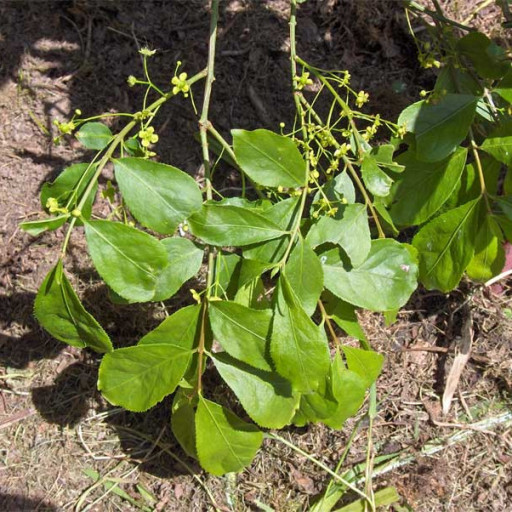
Plant Overview
Often called the Japanese Spindle or Evergreen Spindle, this resilient shrub is the backbone of many classical gardens. Originally from East Asia, it has become a global favorite for its ability to transform into dense, glossy hedges that look "expensive" with very little effort. Whether you have a salt-sprayed coastal garden or a tiny urban balcony, this plant is a master of adaptation.
🔍 How to Identify
- 🍃 Leaf Texture: The leaves are thick, leathery, and remarkably glossy. They feel almost like polished plastic to the touch, which helps them retain moisture.
- 🎨 Variegation: While the wild type is deep green, many popular garden varieties (like 'Aureomarginatus') feature striking white or golden-yellow margins that light up dark corners.
- 🍒 The Fruit: In late autumn, look for small, four-lobed pinkish capsules. When they ripen, they split open to reveal eye-catching, fleshy orange seeds.
🏡 In Your Garden
- 🌊 Coastal Warrior: This plant is incredibly salt-tolerant. It is one of the few shrubs that can stand directly in the path of harsh sea breezes and salt spray without turning brown or shriveling.
- ✂️ The Living Sculpture: It loves the shears! Because it grows so densely, it is a top choice for "topiary" (shaping plants into spheres or cones) and can be pruned heavily to maintain a formal hedge shape.
- 🧱 Urban Resilience: It is remarkably tough against city pollution and can thrive in poor soil, though it hates "wet feet." Ensure your soil drains well to avoid root rot.
⚠️ Safety & Toxicity
- 🚫 Toxic Status: All parts of the Japanese Spindle are considered toxic if ingested by humans or animals.
- 🐾 Details: The plant contains alkaloids that can cause severe stomach upset, vomiting, and heart issues if eaten in large quantities. Keep it away from curious pets and toddlers who might be attracted to the colorful autumn berries.
✨ Fun Fact
🎭 A Name of Irony: The genus name Euonymus comes from the Greek words eu (good) and onoma (name). Ironically, historians believe ancient Greeks used "good name" as a superstitious euphemism to avoid offending the plant, as they were well aware of its poisonous nature!

Detailed Care Instructions
| Color | Dark Green Foliage |
| Soil Ph | Highly Acidic To Highly Alkaline Soil Ph |
| Humidity | Normal |
| Invasive | Weed |
| Lighting | Full Sun |
| Soil Type | Clay, Loam, Or Sand Texture |
| Bloom Time | Spring |
| Difficulty | Medium |
| Plant Type | Evergreen Shrub |
| Hibernation | Cold Period |
| Mature Size | Between 1,5 To 8 Feet Tall, Up To 1,5 Feet In Width |
| Native Area | Japan, China, And Korea |
| Temperature | 10°C - 30°C |
| Sun Exposure | Full Sun To Full Shade |
| Hardiness Zones | 6 To 9 |
To grow Euonymus Japonicus (Japanese Spindle Tree), follow these steps:
- Choose a suitable location: Euonymus Japonicus prefers full sun to partial shade but can tolerate shade as well. Select a spot in your garden that has well-draining soil.
- Prepare the soil: Dig a hole about twice the size of the plant's root ball. Mix in some organic compost or well-rotted manure to improve the soil's fertility and drainage.
- Planting: Carefully remove the plant from its container and gently loosen the roots. Place the root ball in the hole and backfill with soil, firming it gently around the base of the plant. Ensure that the top of the root ball is level with the soil surface.
- Watering: Water the plant thoroughly after planting to settle the soil and help the roots establish. Afterward, water regularly, keeping the soil evenly moist but not waterlogged. Once established, the plant is fairly drought-tolerant.
- Mulching: Apply a layer of organic mulch, such as wood chips or bark, around the base of the plant. This will help retain moisture, suppress weeds, and provide some insulation to the roots.
- Pruning: Euonymus Japonicus can be pruned to maintain shape and size. Prune in early spring before new growth emerges. Remove any dead or damaged branches and shape the plant as desired. Be careful not to over-prune as it can affect flowering and fruit production.
- Fertilizing: In early spring, apply a balanced slow-release fertilizer according to the package instructions. This will provide the necessary nutrients for healthy growth.
- Pests and diseases: Euonymus Japonicus is generally resistant to pests and diseases. However, keep an eye out for scale insects, aphids, or powdery mildew. Treat any infestations or infections promptly using appropriate insecticides or fungicides, if necessary.
By following these steps and providing proper care, your Euonymus Japonicus plant should grow well and thrive in your garden.

Place in a bright room that is sun drenched almost all day. Or directly in a south-facing window.

To water this plant, you should first check the soil moisture level by sticking your finger about an inch into the soil. If it feels dry, it is time to water. Make sure to water slowly and deeply, allowing the soil to fully absorb the water. Avoid getting water on the leaves or stem, as this can cause damage and lead to disease. Watering frequency will depend on various factors such as soil type, weather, and humidity levels. It is important not to overwater, as this can lead to root rot. It is recommended to water this plant in the morning to allow sufficient time for any excess water to evaporate before nightfall.
To fertilize this plant, first, choose a fertilizer that is specifically formulated for broad-leaved evergreens. Then, apply the fertilizer in the early spring before new growth starts to appear. Use a measured amount of fertilizer according to the instructions on the package. Spread the fertilizer evenly around the base of the plant, staying away from the stem to avoid burning it. Finally, water the plant thoroughly to help distribute the fertilizer. Repeat this process yearly for healthy growth.
The ideal soil for this plant should have good drainage and a pH level between 5.5 and 7.5. It should be a fertile soil that is rich in organic matter and nutrients, with a good balance of sand, silt, and clay. The plant prefers slightly moist soil, but it does not tolerate waterlogging. It is important to avoid heavy, compacted soil as this can cause root rot and other plant diseases. A well-draining soil mix consisting of composted bark, peat moss, and coarse sand or perlite is typically recommended for this plant. The soil should be regularly fertilized with a balanced fertilizer, especially during the growing season, to ensure optimal growth and development.
To propagate this plant, take stem cuttings that are approximately 4-6 inches long. Remove the leaves from the lower half of the stem and dip the cut end into rooting hormone. Plant the cutting into a well-draining potting mix and cover it with a clear plastic bag to create a greenhouse-like environment. Place the pot in a bright, indirect light location and keep the soil moist but not waterlogged. After a few weeks, the cutting should develop roots and can be acclimated to regular room conditions.








