Plant Overview
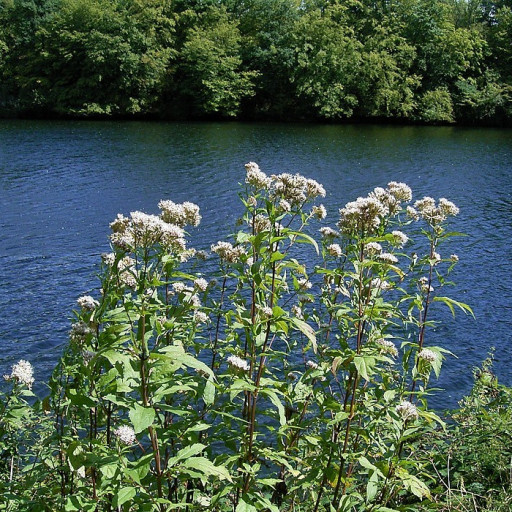
Commonly known as Hemp-agrimony or "Raspberries and Cream," this tall, stately perennial is a cornerstone of the late-summer wild garden. Despite its name and leaf shape, it is not related to the cannabis plant; it actually belongs to the daisy family. In the wild, it creates a misty pink haze across riverbanks and damp meadows, acting as a bustling nectar station for butterflies and bees during the hottest months.
🔍 How to Identify
- 🌸 The Blooms: Dense, frothy clusters of tiny, tubular flowers that range from dusty rose to pale mauve, appearing almost "fuzzy" from a distance.
- 🍃 The Foliage: Oppositely arranged leaves that are deeply divided into 3 to 5 lance-shaped leaflets with serrated edges, strikingly similar to a hemp leaf.
- 📏 The Stature: A robust, upright grower that can reach heights of up to 5 feet (1.5 meters), often featuring reddish or purple-tinted stems.
🏡 In Your Garden
- 💧 The "Water Baby": This plant is a specialist for damp spots. It thrives in heavy, moisture-retentive soils where other perennials might struggle, making it an ideal choice for pond edges or bog gardens.
- 🦋 Pollinator Magnet: It is widely considered one of the best nectar sources for butterflies, specifically attracting the Red Admiral, Comma, and various hoverflies that help keep garden pests in check.
⚠️ Safety & Toxicity
- 🚫 Status: Toxic if ingested.
- 🐾 Details: The plant contains pyrrolizidine alkaloids, which can cause liver damage if consumed in significant quantities. While not typically a threat to humans who handle it, it should be kept away from grazing livestock and curious pets.
- 🌿 Skin Sensitivity: Some gardeners report mild skin irritation (dermatitis) from the sap, so wearing gloves during a heavy pruning session is a wise precaution.
✨ Fun Fact
In medieval times, this plant was sometimes called "Holy Rope." This nickname is thought to be a reference to the ropes used to bind Jesus, or perhaps a more practical nod to the tough, fibrous stems that were once used as a substitute for hemp in rope-making.

Detailed Care Instructions
| Color | Mauve Pink |
| Soil Ph | Acidic, Neutral And Alkaline |
| Humidity | Normal |
| Lighting | Part Sun |
| Soil Type | Rich And Moist |
| Bloom Time | July To September |
| Difficulty | Medium |
| Plant Type | Herbaceous Perennial |
| Hibernation | Cold Period |
| Mature Size | Up To 4' In Height And 1' In Width |
| Native Area | Europe To Central Asia And Iran, Africa |
| Temperature | 10°C - 24°C |
| Sun Exposure | Full Sun, Partial Shade |
| Hardiness Zones | 4-8 |
To grow Eupatorium cannabinum (commonly known as Hemp Agrimony), follow these steps:
- Choose a suitable location: Select a spot in your garden that receives full or partial sun and has well-draining soil. Eupatorium cannabinum can tolerate different soil types, but prefers moist, fertile soil.
- Prepare the soil: Amend the soil with organic matter such as compost or well-rotted manure to improve its fertility and drainage. Remove any weeds or debris from the planting area.
- Sow seeds or transplant: Eupatorium cannabinum can be grown from seeds or transplanted from nursery-grown plants. If starting from seeds, sow them in early spring or late autumn, either directly in the ground or in seed trays. Cover the seeds lightly with soil and keep the soil consistently moist until germination occurs. If using nursery-grown plants, transplant them into the prepared soil, making sure to space them according to their mature size (around 2-3 feet apart).
- Watering: Keep the soil consistently moist, especially during dry periods. However, avoid waterlogging the soil as this plant prefers moist rather than waterlogged conditions.
- Mulching: Apply a layer of organic mulch around the base of the plants to retain moisture, suppress weed growth, and regulate soil temperature.
- Maintenance: Eupatorium cannabinum is a relatively low-maintenance plant. Regularly inspect and remove any weeds that may compete with the plants for nutrients and space. Prune back the mature plants in early spring to encourage new growth and maintain their shape. Deadheading the spent flowers can also encourage further blooming and prevent self-seeding.
- Pest and disease control: Hemp Agrimony is relatively resistant to pests and diseases. However, occasional inspection for common garden pests like aphids, caterpillars, or slugs is recommended. Treat any infestations promptly using organic methods if necessary.
- Harvesting: If you want to collect seeds, allow the flower heads to fully mature and dry on the plant. Once dry, gently rub the flower heads to release the seeds. Store the seeds in a cool, dry place for later sowing or sharing.
By following these steps, you should be able to successfully grow Eupatorium cannabinum in your garden. Enjoy the beautiful flowers and the benefits they bring to pollinators like bees and butterflies.

Place in a window with dappled sun or a spot in the middle of a room. Or directly in a window facing west or east.
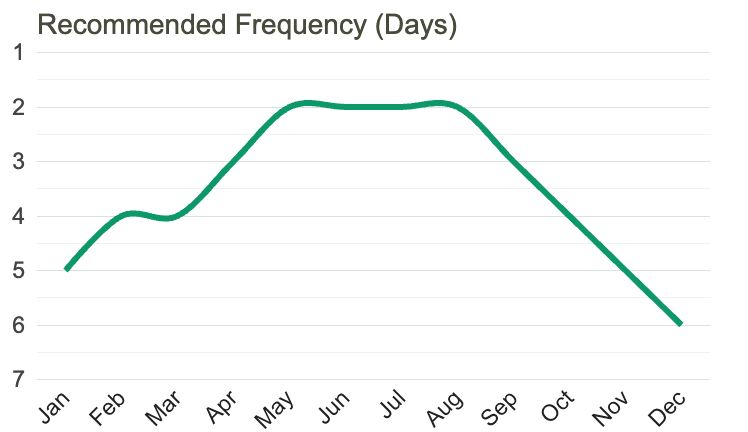
To properly water this plant, you should first ensure that the soil is well-draining and does not retain excess moisture. Water should be applied directly to the soil around the base of the plant, rather than overhead watering, to prevent leaf damage and encourage root growth. The frequency of watering will depend on the environmental conditions and level of drought tolerance of the plant, but it is advised to wait until the soil has dried out slightly before watering again. Overwatering can lead to root rot and other diseases, so it is important to monitor the soil moisture level and adjust watering accordingly.
To fertilize this plant, apply a balanced fertilizer in the spring before new growth emerges. Use a slow-release fertilizer or apply a liquid fertilizer every 2-3 weeks during the growing season. Be sure to follow the manufacturer's instructions for application rates and frequencies. Do not fertilize this plant in the fall or winter as it may cause new growth that is susceptible to frost damage.
Eupatorium Cannabinum plants prefer moist, well-drained soil that is rich in organic matter. The ideal soil pH for these plants ranges between 6.0 and 7.5. They can also tolerate slightly acidic to slightly alkaline soil conditions. A soil mixture that contains equal parts of sand, loam, and peat moss can provide good drainage and moisture retention while also providing the necessary nutrients for healthy growth. It is important to avoid using heavy clay-based soil, as this can lead to poor drainage and waterlogging, which can damage the roots of the plant. Additionally, adding a slow-release fertilizer to the soil can help provide essential nutrients to the plant throughout the growing season.
Eupatorium Cannabinum plant can be propagated through a variety of methods. One of the easiest ways is through division, where the plant is dug up and separated into smaller sections that can be replanted in new locations. This can be done in the spring or fall when the plant is dormant, and each section should have at least one healthy stem and root system.
Another method is through cuttings, where a stem or leaf from the plant is removed and planted in soil or water. The cutting should be taken from a healthy and mature plant and dipped in rooting hormone to encourage root growth. It can take several weeks for roots to form, but once they have established, the cutting can be planted in soil.
Seeds can also be used to propagate this plant, although they can be more difficult to germinate. The seeds should be collected when the plant has finished flowering and are still green, and stored in a cool, dry place until ready to plant. The seeds can be sown directly into soil or started indoors in containers. They should be covered with soil or lightly pressed into the soil to ensure good contact and watered regularly until they germinate.
Common pests of the hemp agrimony include Spider mites, aphids. Make a habit of checking your hemp agrimony frequently for pests so that any infestations can be caught and managed early.








