Plant Overview
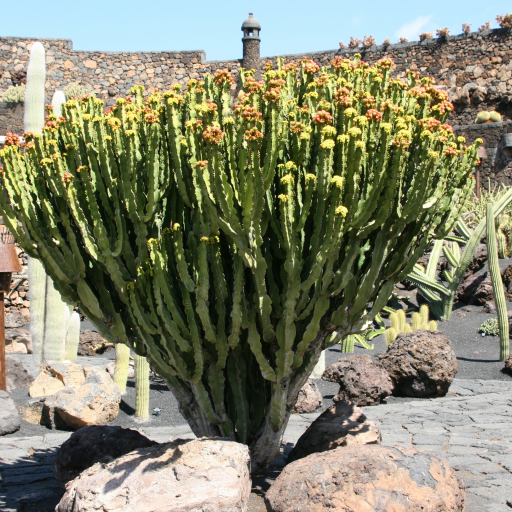
Known as the Desert Candle or the Abyssinian Candelabra, Euphorbia acrurensis is the ultimate architectural statement for a minimalist home. Native to the rocky slopes of Ethiopia and Eritrea, this succulent is a master of disguise, perfectly mimicking the classic American desert cactus despite being from a completely different botanical family. It brings a dramatic, towering silhouette to any sun-drenched corner.
🔍 How to Identify
- 🌵 Structural Growth: It grows in a strict upright, multi-ribbed columnar fashion, eventually branching out to resemble a tiered candelabra.
- ⚔️ Spines & Ridges: The edges of its four or five distinct ribs are lined with pairs of short, dark thorns that create a rhythmic, zigzag pattern along the stems.
- 🍃 Ephemeral Leaves: Small, teardrop-shaped leaves may sprout from the tips of new growth during the peak growing season, though the plant quickly sheds them to conserve moisture.
🏡 In Your Garden
- ☀️ Light Sensitivity: While it craves intensity, young plants can actually "sunburn," leaving permanent yellow or brown scars if moved from a dim shop directly into harsh afternoon rays without a week of gradual acclimation.
- 🏜️ Stability Issues: Because it stores massive amounts of water in its stems but has a relatively shallow root system, it becomes very top-heavy. Use a heavy terracotta or ceramic pot to prevent your "candle" from toppling over as it reaches for the ceiling.
- 💧 Drought Logic: This plant prefers to be "forgotten" rather than pampered. Its thick, fleshy stems act as a reservoir, meaning it thrives on total neglect during the winter months.
⚠️ Safety & Toxicity
- 🚫 Sticky Latex: All parts of the plant contain a thick, milky white sap that is a natural irritant. If you break a stem, the "blood" can cause significant skin rashes or even temporary blindness if it touches the eyes.
- 🐾 Pet & Child Risk: It is considered toxic to cats, dogs, and humans if ingested. Due to the combination of sharp thorns and caustic sap, it should be placed in low-traffic areas where it won't be bumped.
✨ Fun Fact
🧬 The Great Pretender: Euphorbia acrurensis is a world-class example of "convergent evolution." It looks nearly identical to the Saguaro cactus of the American West because it evolved to solve the same problem—storing water in a desert—despite being more closely related to a Poinsettia than a true cactus!

Detailed Care Instructions
To grow Euphorbia acrurensis (also known as the Desert Candle or Candelabra Cactus), follow these steps:
- Select a suitable location: Euphorbia acrurensis thrives in full sun or partial shade. Choose a spot that receives at least six hours of direct sunlight per day.
- Prepare the container or soil: If growing in a container, select a well-draining pot large enough to accommodate the plant's mature size. If you are planting in the ground, ensure the soil is well-drained, as overly moist soil can cause root rot.
- Propagation: You can grow Euphorbia acrurensis through stem cuttings or seeds.
- Stem cuttings: Wait for the plant to produce side shoots or offsets. Carefully cut them using sterile pruners, making sure each cutting has a few inches of stem attached. Allow the cuts to callus for a few days and then plant them in a well-draining cactus mix. Keep the soil slightly moist until new growth appears.
- Seeds: Soak the seeds in warm water for 24 hours before sowing. Fill seed trays or small pots with a cactus mix and sow the seeds on the surface. Cover them lightly with a thin layer of soil. Place the trays or pots in a warm location, ideally around 70-75°F (21-24°C). Mist the soil regularly to keep it slightly moist. Germination usually occurs within a few weeks.
- Stem cuttings: Wait for the plant to produce side shoots or offsets. Carefully cut them using sterile pruners, making sure each cutting has a few inches of stem attached. Allow the cuts to callus for a few days and then plant them in a well-draining cactus mix. Keep the soil slightly moist until new growth appears.
- Watering: Euphorbia acrurensis is drought-tolerant, and overwatering can cause rot. Water sparingly, allowing the soil to dry out between waterings. Increase watering during periods of active growth, such as spring and summer, and reduce it during winter dormancy.
- Fertilizing: Fertilize with a balanced, water-soluble cactus fertilizer during the growing season. Follow the manufacturer's instructions for application rates.
- Pruning: Trim away any dead or dying stems as necessary. Use sterilized pruning tools to prevent the spread of diseases.
- Pests and diseases: Euphorbia acrurensis is generally resistant to pests and diseases. However, watch out for mealybugs, spider mites, and scale insects. If necessary, treat the infested plants with insecticidal soap or neem oil following the product instructions.
Remember, Euphorbia acrurensis is a succulent plant that stores water in its stems. Be cautious about coming into contact with the sap, as it can cause skin irritation and eye problems. Wear gloves and protect yourself while handling the plant.
To properly water this plant, one must ensure that the soil is completely dry before watering. When watering, use a watering can or a hose with a gentle flow to avoid damaging the plant. Water the soil directly around the base of the plant, avoiding any contact with the leaves or stem. Ensure that excess water drains out of the pot or planter to prevent waterlogging. During the winter months, reduce watering frequency as the plant requires less water during this dormant period.
To fertilize the Euphorbia Acrurensis plant, follow these instructions:
- Choose a balanced, water-soluble fertilizer suitable for succulent plants.
- Dilute the fertilizer according to the instructions on the product packaging. It is important not to use a concentration that is too high, as this can harm the plant.
- Water the plant thoroughly a few hours before fertilizing to prevent any potential damage to the roots.
- Apply the diluted fertilizer to the soil around the base of the plant, taking care to avoid contact with the leaves or stems.
- Use enough fertilizer solution to saturate the soil, but avoid over-saturating, as excess water can lead to root rot.
- Fertilize the Euphorbia Acrurensis plant once every four to six weeks during the active growing season, typically spring and summer. Reduce or cease fertilization during the dormant season in fall and winter.
- Monitor the plant for any signs of fertilizer burn, such as leaf discoloration or wilting. If such symptoms appear, thoroughly rinse the plant's soil with water to flush out excess fertilizer.
Remember, always follow the specific instructions provided with your selected fertilizer, as different products may have slightly different application guidelines.
When growing the plant commonly known as Euphorbia Acrurensis, it is important to use well-draining soil that is rich in organic matter but not overly fertile. A sandy loam soil or a cactus/succulent soil mix is ideal. The pH of the soil should be between 6.0-7.5. It is also recommended to amend the soil with perlite or coarse sand to improve drainage. When planting, be sure to leave enough space around the plant for air circulation to prevent fungal diseases from occurring. Lastly, it is important to avoid overwatering and allow the soil to dry out between waterings.
Propagation of Euphorbia acrurensis can be done using various methods. One common method is through stem cuttings. Here are the steps to propagate Euphorbia acrurensis using stem cuttings:
- Select a healthy and mature plant: Choose a parent plant that is mature and free from diseases or pests. This will ensure the best chance of success in propagating a healthy offspring.
- Prepare a cutting: Using a sharp, sterile knife or shears, cut a stem from the parent plant. Aim for a cutting that is around 4-6 inches long. Make sure to choose a stem that is healthy and firm, without any signs of damage or disease.
- Allow the cutting to dry: After taking the cutting, leave it in a cool, shaded area for a few days to allow the cut end to dry out. This helps prevent rot when the cutting is planted.
- Prepare the rooting medium: Euphorbia acrurensis prefers a well-draining soil mix. Prepare a planting medium by combining equal parts of cactus soil mix and perlite or pumice to improve drainage. Fill a small pot or container with this mixture.
- Plant the cutting: Dip the cut end of the stem into a rooting hormone powder, as it can help stimulate root growth. Then, make a small hole in the prepared rooting medium and place the cutting in it, gently pressing the soil around the stem to ensure it stays upright.
- Provide proper care: Place the potted cutting in a warm and bright location, but avoid direct sunlight, as it can be too harsh for the young plant. Water the cutting sparingly, allowing the soil to mostly dry out between waterings. Overwatering can lead to root rot and hinder root development.
- Monitor and maintain: Keep an eye on the cutting regularly, ensuring that the soil remains slightly moist but not waterlogged. Within a few weeks to months, depending on the conditions and plant's specific requirements, roots should start to develop. At this point, new growth may also be visible above the soil.
- Transplanting: Once the cutting has developed a well-established root system and a sufficient amount of growth, it can be transplanted to a larger pot with well-draining soil or planted directly in a suitable outdoor location if weather permits.
Remember to handle Euphorbia acrurensis with care, as the plant contains a milky sap that can be irritating to the skin and eyes. Wearing gloves and protective eyewear is recommended when working with it.







