Plant Overview
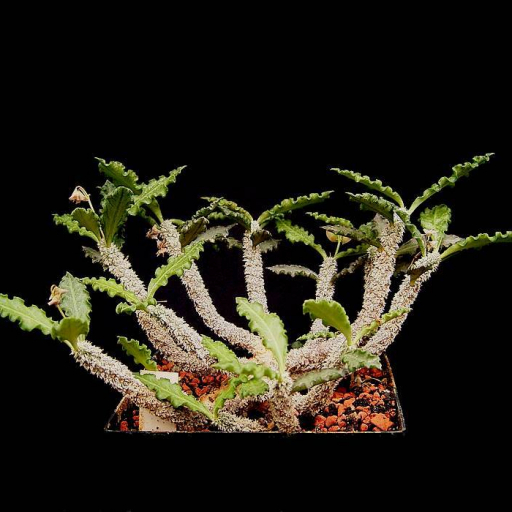
Meet the Euphorbia ambovombensis, a rare gem hailing from the dry, scrubby thickets of southern Madagascar. Often called the "Ambovombe Spurge," this succulent is a prized "caudiciform," meaning it develops a thick, woody base that looks like a miniature prehistoric tree. Because it is critically endangered in the wild, growing one at home feels like being a guardian of a tiny, living piece of natural history.
🔍 How to Identify
- 🫚 The Caudex: It features a thick, corky, and often tuberous rootstock that can be partially raised above the soil to create a dramatic, "bonsai-style" appearance.
- 🍃 Wavy Foliage: The leaves are small, dark green, and have distinctively crinkled or wavy edges, usually growing in a tight rosette at the tips of short, stubby branches.
- 🌼 Subtle Blooms: It produces tiny, cup-shaped yellowish-green or brownish flowers (called cyathia) that sit on very short stalks tucked among the leaves.
🏡 In Your Garden
- 🏜️ The "Tough Love" Rule: This plant thrives on a bit of neglect. Because the thick caudex stores water for survival in Madagascar’s droughts, it is extremely sensitive to overwatering. It requires a very gritty, mineral-heavy soil that allows water to pass through almost instantly.
- 💤 Winter Dormancy: Don’t panic if it drops its leaves! This plant typically goes dormant in the colder months. During this time, it "shuts down" to rest, and watering should be stopped almost entirely to prevent the roots from rotting in the damp soil.
⚠️ Safety & Toxicity
- 🧪 Irritant Sap: Like all members of the Euphorbia family, this plant contains a milky white latex sap. This sap is caustic and can cause skin rashes or severe eye irritation.
- 🐾 Toxic to Pets: The plant is toxic if ingested. Keep it on a high shelf or in a dedicated "collector's cabinet" to ensure cats, dogs, or curious children don't take a nibble.
✨ Fun Fact
- 🌍 Limited Edition: In the wild, this plant is found only in a tiny area near the town of Ambovombe. Because its natural habitat is disappearing, it is protected under CITES Appendix I, the strictest level of international trade protection for endangered species!

Detailed Care Instructions
To grow Euphorbia ambovombensis, also known as the giant-leaved Madagascar tree euphorbia, you can follow these steps:
- Climate and Location: Euphorbia ambovombensis thrives in warm, tropical climates. Ensure you are living in an area with a minimum temperature of 50°F (10°C) and a maximum temperature of 90°F (32°C). This plant should be grown outdoors in full or partial sun.
- Soil: The plant prefers well-draining soil with a neutral to slightly acidic pH. A mixture of cactus potting soil and perlite or sand is suitable. Make sure the soil is not excessively rich in organic matter, as it may lead to overly fast growth.
- Planting: Choose a large container or prepare the planting area accordingly. Euphorbia ambovombensis can grow up to 30 feet (9 meters) tall, so it requires ample space. If growing multiple plants, keep them at least 10-15 feet apart.
- Watering: Water the plant deeply and thoroughly but allow the soil to dry out partially between watering. Overwatering can lead to root rot and other issues, so it's better to underwater than overwater.
- Fertilization: Euphorbia ambovombensis doesn't require frequent fertilization. Use a balanced, slow-release fertilizer once or twice a year during the growing season. Follow the instructions on the fertilizer packaging for dosage and application.
- Pruning: Pruning is not necessary for Euphorbia ambovombensis. However, if you encounter dead or damaged branches, you can remove them with sterilized pruning shears. Be cautious while pruning as this species has toxic sap.
- Pest and Disease Control: Generally, Euphorbia ambovombensis is relatively low maintenance and not prone to many pests or diseases. However, keep an eye out for common succulent pests like mealybugs and scale insects. If detected, treat them with an appropriate insecticidal soap or diluted alcohol solution.
- Protection from Frost: If you are growing this plant outdoors in a region that experiences frost, provide protection during cold periods. Cover the plant with frost cloth or move it indoors temporarily to prevent frost damage.
Remember, Euphorbia ambovombensis is a large and potentially poisonous plant. Take appropriate precautions, especially when handling the sap, and keep it away from children and pets.
Euphorbia Ambovombensis plants should be watered consistently but sparingly, as they are drought-tolerant and prefer dry soil. Water the plant deeply but infrequently, allowing the soil to dry out almost completely between waterings. Be sure not to overwater, as this can lead to root rot and other issues. When watering, avoid getting water on the leaves and stem, as this can cause damage. Additionally, be sure to use well-draining soil and a pot with drainage holes to prevent water from accumulating in the soil.
To fertilize this plant, begin by choosing a balanced fertilizer with equal levels of nitrogen, phosphorus, and potassium. Dilute the fertilizer to half strength and apply it to the soil around the base of the plant, avoiding contact with the foliage. Water the plant thoroughly after fertilizing to help the nutrients penetrate the soil. Repeat this process every two to three weeks during the growing period. Avoid fertilizing during the dormant phase or when the plant is stressed or experiencing any symptoms of diseases.
Euphorbia Ambovombensis is a succulent plant native to Madagascar. As a succulent, it requires well-draining soil that is low in nutrients. The ideal soil for this plant is a mix of coarse sand, perlite, and gritty soil. This soil allows for good drainage and prevents the plant's roots from rotting due to water retention. It is important to avoid heavy, clay soils or potting mixes that are high in organic matter, which can retain moisture and lead to root rot. Euphorbia Ambovombensis grows best in bright, direct sunlight and requires infrequent watering. It is important to protect it from frost and keep it away from pets and children as it produces a toxic sap.
Propagation of this plant can be done through several methods such as stem cuttings, division, and seeds.
For stem cuttings, select a healthy and mature stem from the plant. Cut the stem at an angle, making sure it is at least 5-6 inches long. Remove the lower leaves and let the cutting dry for a few days. Then, dip the bottom of the stem in rooting hormone and plant it in well-draining soil. Water the cutting regularly and keep it in a humid place until roots start to form.
To propagate by division, carefully remove the plant from its pot or the ground and gently separate the roots. Ensure that both the parent plant and the new plant have enough roots to survive. Replant the new plant in a suitable pot or location and water it regularly.
For propagation by seeds, collect the seeds from mature plants and plant them in a well-draining soil mix. Keep the soil moist and the seeds will germinate within a few weeks. Once the seedlings have reached a suitable size, you can transplant them to larger pots or into the ground.
Whatever method you choose, make sure to use well-draining soil and keep the growing conditions optimal for the plant's growth and development.








