Plant Overview
Known as the Behara Spurge, this Madagascan native is a masterpiece of minimalist design. It looks like a miniature, weathered tree straight out of a desert landscape, making it a favorite for succulent collectors who love a "natural bonsai" aesthetic without the years of pruning. Despite its delicate, spindly appearance, it is a rugged survivor from the arid, rocky regions of southern Madagascar.
🔍 How to Identify
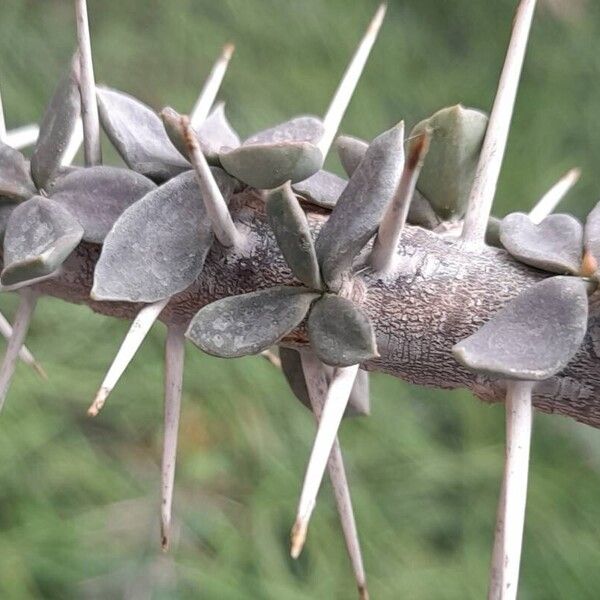
- 🌵 Architectural Stems: Features intricate, slender, greyish-brown stems that often grow in a zig-zagging or twisted pattern, giving it a prehistoric look.
- ⚔️ Pointed Stipules: The stems are armed with small, sharp spines (modified stipules) that grow in pairs, protecting the plant from thirsty animals.
- 🍃 Fleeting Foliage: It produces very tiny, oval leaves at the tips of new growth. These are deciduous, meaning the plant often drops them to conserve water, leaving the "skeleton" on display.
🏡 In Your Garden
- ☀️ Light & Placement: This plant is a sun-seeker. It thrives on bright, indirect light but can handle direct morning sun. In the home, a south-facing windowsill is its favorite spot to prevent the stems from stretching and becoming "leggy."
- 🪴 The "Dry Feet" Rule: Because it has evolved for rocky Madagascar soil, it hates sitting in water. Use a very gritty cactus or succulent mix. It is better to forget to water it for a week than to water it twice in a row—overwatering is the fastest way to lose this unique succulent.
⚠️ Safety & Toxicity
- 🚫 Toxic Latex: Like almost all members of the Euphorbia family, this plant contains a milky white sap (latex) that is highly irritating.
- 🧤 Handle with Care: The sap can cause skin rashes or intense irritation if it gets into the eyes. Always wear gloves when pruning or repotting, and keep it on a high shelf away from curious pets or children who might be tempted to nibble the "twigs."
✨ Fun Fact
In its native habitat, Euphorbia beharensis uses a tactic called crypsis. Its brownish, twig-like appearance is a form of camouflage, allowing it to blend in perfectly with dry leaf litter and dead wood to hide from hungry lemurs and goats!

Detailed Care Instructions

Place in a bright room that is sun drenched almost all day. Or directly in a south-facing window.

When the top few inches of soil dry out, water your plants. If the top few inches of soil are still moist, do not water your plant. Wait a few days, then poke your finger into the soil to see if anything has changed. Overwatering poses a disease risk, such as the development of fungal diseases in the roots. These plants have adaptations in there leaves that allow them to survive in low water supply.
Without the need of fertilizer, these plants can thrive and bloom. If a plant requires fertilization, it will display indicators of nutrient insufficiency, such as yellowing leaves. It is safe to apply slightly diluted fertilizers in these circumstances. Over fertilizing, on the other hand, should be avoided because excess nutrients might cause plant mortality. Slow-release fertilizers are therefore advised for these plants.







