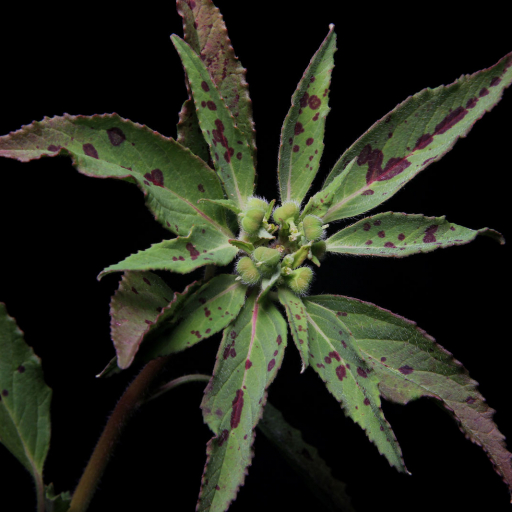
Plant Overview
Often referred to as the Warty Spurge or a close relative of the Toothed Spurge, Euphorbia cuphosperma is a rugged survivor found across the Americas. While it might look like a humble roadside greenery at first glance, it belongs to the massive and fascinating Spurge family, known for their unique "fake" flowers and defensive milky sap. In the wild, it plays a vital role in stabilizing soil in dry, rocky environments.
🔍 How to Identify
- 🍃 Jagged Leaves: The leaves are typically narrow and lance-shaped with noticeably "toothed" or serrated edges, which gives the plant a slightly sharp, textured appearance.
- 🥛 Milky Latex: If a leaf or stem is broken, the plant immediately leaks a thick, white, milky sap—a signature trait of the Euphorbia genus used to deter herbivores.
- 🌼 Greenish Cyathia: Instead of traditional petals, it produces small, cup-like structures called cyathia at the tips of the stems, which house the tiny reproductive parts.
🏡 In Your Garden
- 🌵 Drought Specialist: This plant is incredibly efficient at storing moisture and thrives in poor, sandy, or rocky soils where other plants might wither. It is a "set it and forget it" species for xeric landscapes.
- 🌱 Self-Seeding Nature: Be mindful that Euphorbia cuphosperma is a prolific seed-producer. Once established, it can pop up in unexpected places, making it great for naturalized meadows but potentially "weedy" for manicured flower beds.
⚠️ Safety & Toxicity
- 🚫 Toxic Sap: CAUTION. The milky white latex is caustic. If it touches your skin, it can cause redness, itching, or even blistering (dermatitis).
- 👁️ Eye Irritant: Never touch your eyes after handling this plant. The sap can cause severe inflammation and temporary vision impairment.
- 🐾 Pet Warning: Keep curious cats and dogs away. Ingesting any part of the plant can lead to vomiting, drooling, and mouth irritation.
✨ Fun Fact
The common name "Spurge" actually comes from the Old French word espurge, meaning "to purge." In ancient (and very risky) folk medicine, the sap was used as a powerful—and often dangerous—laxative!

Detailed Care Instructions

Place in a bright room that is sun drenched almost all day. Or directly in a south-facing window.

Euphorbia Cuphosperma plant requires regular watering, especially during the growing season. However, it is essential to ensure that the soil has completely dried out before watering it again. Over-watering can lead to root rot, which can be fatal for the plant.
When watering the plant, it is important to avoid getting water on the leaves and stem, as this can cause damage and promote the growth of fungal diseases. Instead, water the plant at the base, using a watering can or a hose with a gentle stream.
During the winter months, the plant may require less frequent watering, as it goes into a state of dormancy. The soil should be kept slightly dry during this time, but never completely dried out.
In general, it is best to monitor the soil moisture level by sticking a finger an inch or two into the soil. If it feels dry to the touch, it is time to water the plant. Always use room temperature water, as cold water can shock the plant's roots.
Overall, providing the right amount of water is crucial for the health and well-being of Euphorbia Cuphosperma plant.








