Plant Overview
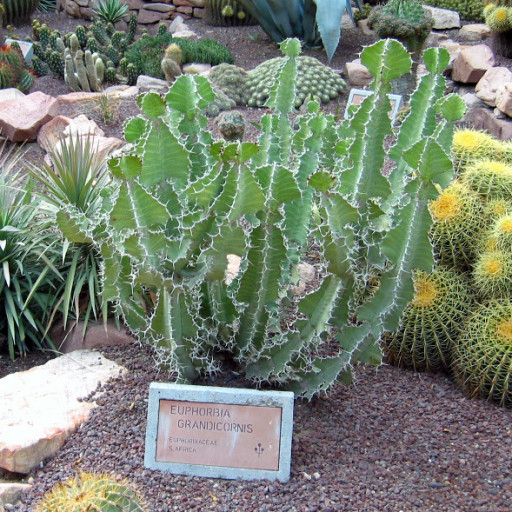
Often called the Cow's Horn Euphorbia, this striking succulent is a master of architectural drama. Hailing from the sun-drenched regions of South Africa, it looks like a prehistoric relic or a sculptural piece of modern art. While it is frequently mistaken for a cactus due to its imposing spines, it is actually a member of the diverse Spurge family, prized by collectors for its unique, zig-zagging growth patterns.
🔍 How to Identify
- 🦴 The "Horns": It is defined by massive, paired gray spines that can grow up to 3 inches long, bearing a striking resemblance to the horns of a cow.
- 🌊 Zig-Zag Stems: The stems are segmented into distinct, triangular "wings" that twist and turn as the plant grows, creating a rhythmic, wavy silhouette.
- 🎨 Vibrant Coloration: The body is a bright, apple-green, often decorated with pale yellow-green marbling between the ridges.
🏡 In Your Garden
- 🏜️ The Mimicry Trap: Because it looks like a desert cactus, many owners treat it too harshly. While it loves heat, it prefers slightly more organic soil than a true cactus and hates "wet feet," which can cause its fleshy base to turn to mush overnight.
- ☀️ Light and Structure: To keep those iconic "horns" large and the stems thick, it needs intense, direct sunlight. In low light, the plant will stretch (etiolate), losing its beautiful zig-zag shape and becoming weak.
⚠️ Safety & Toxicity
- 🚫 Dangerous Latex: Like all members of the Euphorbia genus, this plant contains a milky white sap (latex) that is highly toxic and caustic.
- 🩹 Skin and Eye Warning: Contact with the sap can cause severe skin blistering and temporary blindness if it reaches the eyes. Always wear gloves and eye protection when pruning, and keep the plant away from high-traffic areas where pets or children might bump into it.
✨ Fun Fact
- 🧱 The Living Fence: In parts of East Africa, Euphorbia grandicornis is used to create "living fences." Its interlocking branches and formidable spines make it an impenetrable—and painful—natural barrier that keeps livestock in and predators out!

Detailed Care Instructions
| Lighting | Full Sun |
| Hardiness Zones | Min 9B |
To grow Euphorbia grandicornis, also known as the Large Unicorn Euphorbia, you can follow these steps:
- Soil: Choose a well-draining soil mix that is suitable for succulents. Euphorbia grandicornis prefers sandy soil with good drainage.
- Pot: Select a pot that has drainage holes at the bottom to prevent waterlogging. Ensure the pot is large enough to accommodate the plant's growth.
- Lighting: Euphorbia grandicornis thrives in bright, indirect light. Place the plant near a window or in a spot that receives ample sunlight without direct exposure, especially during hot summer months.
- Temperature: This plant prefers warm temperatures, ideally between 60-80°F (16-27°C). Protect it from extreme temperatures, especially frost.
- Watering: Allow the soil to dry out between waterings. Water thoroughly, allowing the excess water to drain away. Avoid overwatering, as it can cause root rot. In winter, reduce watering to prevent excessive moisture in the soil.
- Fertilization: Feed the plant with a balanced liquid or granular fertilizer diluted to half strength during the growing season (spring and summer). Follow the instructions on the fertilizer package for appropriate dosage.
- Pruning: Euphorbia grandicornis rarely requires pruning. However, if necessary, you can prune back any unwanted or elongated stems using sterilized pruning shears.
- Propagation: This plant can be propagated from stem cuttings. Allow the cut ends to callus over (dry) for a day or two before planting them in a well-draining succulent mix. Keep the soil slightly moist until the cutting establishes roots.
- Pests and diseases: Euphorbia grandicornis is generally hardy and resistant to most pests and diseases. However, keep an eye out for common succulent pests such as mealybugs, spider mites, and scale insects. If you notice any infestation, treat according to the specific pest using organic or chemical insecticides.
Always remember to wear protective gloves when handling Euphorbia grandicornis, as the milky sap it produces can be irritating to the skin and eyes.

Place in a bright room that is sun drenched almost all day. Or directly in a south-facing window.

To water this particular plant, it is important to first assess the dryness of the soil. It is recommended to wait until the soil is completely dry before watering again.
When it is time to water, slowly pour water into the soil around the base of the plant until the soil is visibly moist. Be careful not to pour water onto the leaves or stem of the plant as this can cause damage. Avoid over-watering as this can lead to root rot.
During the winter months, it is important to reduce the amount of water given to the plant as its growth slows down during this time. Conversely, during the summer months, it may require more frequent watering as it is actively growing and requires more moisture.
It is important to note that this plant is very sensitive to water and it is recommended to err on the side of drought rather than over-watering.
To fertilize this plant, use a balanced fertilizer with equal amounts of nitrogen, phosphorus, and potassium. Apply the fertilizer every two to three weeks during the growing season, which is typically from spring to early fall. Follow package instructions for dosage and application. It is best to apply the fertilizer evenly around the drip line of the plant and water well after fertilizing. Avoid over-fertilizing as it can lead to burning and damage to the plant.
The ideal soil to use with this plant should be well-draining and sandy in texture, with a slightly acidic pH. It should also be nutrient-rich, with a good balance of organic matter and mineral content. Avoid using heavy clay soils or soils that retain too much moisture, as this can lead to root rot and other issues. Additionally, it is important to ensure that the pot or container used for this plant has adequate drainage holes to allow excess water to escape easily.
Propagation of this plant can be done through stem cuttings. Begin by selecting a healthy, mature stem from the plant. Using a clean, sharp knife, cut the stem at a node, making sure the cutting is at least 6 inches in length. Remove the lower leaves from the stem, leaving only a few at the top. Dip the cut end of the stem into rooting hormone and plant it in a container filled with well-draining soil. Make sure the cutting is planted deep enough so that it stands up straight. Water the cutting well and place it in a warm, bright area, out of direct sunlight. Keep the soil moist but not waterlogged, and within a few weeks, roots should begin to form. Once the cutting has established roots, it can be transplanted to a larger container or planted in soil outdoors, if the weather is warm enough.
Common pests of the rhino thorn include Scale insect, mealybugs, spider mites. Make a habit of checking your rhino thorn frequently for pests so that any infestations can be caught and managed early.








