Plant Overview
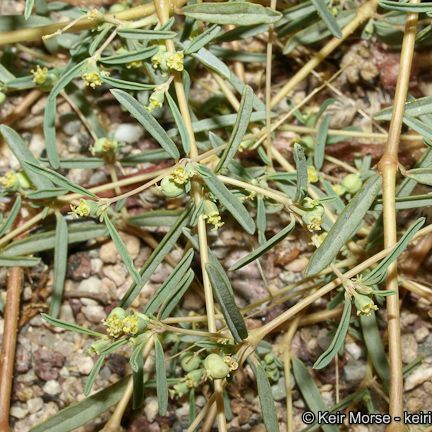
Meet Euphorbia parryi, commonly known as Parry’s Spurge or the Sand Mat. This delicate-looking "sand-hugger" is a master of desert survival, often found weaving intricate green webs across the shifting dunes of the American Southwest. Named after the legendary botanist Charles Christopher Parry, it is a testament to the beauty of minimalism, thriving in environments where the sun is relentless and water is a luxury.
🔍 How to Identify
- 🌱 Growth Habit: It grows as a prostrate mat, meaning it hugs the ground closely. Its wiry, thin stems spread outward from a central point, creating a lace-like carpet over the sand.
- 🍃 The Leaves: The leaves are tiny, narrow, and elongated. They usually appear in pairs and have a slightly fleshy texture to help store the precious little moisture the plant finds.
- 🌼 The "Flowers": What look like tiny white petals are actually specialized structures called cyathia. These miniature cups hold the even smaller true flowers, often appearing as tiny white or pale-pink dots against the reddish-green stems.
🏡 In Your Garden
- 🏜️ Substrate Secrets: This is not a plant for rich, loamy garden beds. It is a "psammophile" (sand-lover). In a garden setting, it requires extremely gritty, fast-draining soil—ideally a mix of coarse sand and decomposed granite.
- ☀️ Sun & Resilience: It demands full, unfiltered sun to maintain its tight, matted form. While it is incredibly drought-tolerant, it hates "wet feet"; even a single day of standing water can cause the delicate root system to succumb to rot.
⚠️ Safety & Toxicity
- 🚫 Toxic Sap: Like almost all Euphorbias, Parry’s Spurge contains a thick, white milky latex (sap) that is highly irritating.
- 👁️ Contact Warning: If a stem is broken, the sap can cause skin rashes (dermatitis) and is extremely dangerous if it touches the eyes. It is also toxic if ingested, so it should be kept away from curious pets or children who might be tempted to "explore" the desert flora.
✨ Fun Fact
[📜] The Mule-Back Botanist: The plant's namesake, Dr. C.C. Parry, was so dedicated to finding new species that he spent decades exploring the American West on the back of a mule. He discovered so many plants that more than 50 species and several mountain peaks now bear his name!

Detailed Care Instructions
To grow Euphorbia Parryi plant, also known as the Parry’s Agave or Pincushion Cactus, follow these steps:
- Climate and Sunlight: Euphorbia Parryi thrives in a sunny location with well-draining soil. It can tolerate high temperatures but is not frost-resistant. Make sure the climate is suitable for this plant.
- Soil: Use a well-draining cactus or succulent soil mix. It should contain a good ratio of organic matter and perlite or sand for proper drainage.
- Planting: Choose a pot or container with drainage holes. Place a small layer of rocks or gravel at the bottom for additional drainage. Gently place the plant in the pot, and fill around it with the prepared soil mix. Press the soil gently to secure the plant.
- Watering: Euphorbia Parryi plant requires careful watering. Water sparingly, allowing the soil to dry between watering sessions. Overwatering can lead to root rot. During winter, reduce watering frequency as the plant goes into dormancy.
- Temperature and Humidity: Maintain temperatures around 60-85°F (15-29°C). This plant prefers dry air, so avoid excessively humid conditions.
- Fertilizer: Use a balanced, all-purpose cactus fertilizer during the growing season (spring to early fall) once a month. Follow the instructions on the fertilizer packaging for proper application.
- Propagation: Euphorbia Parryi can be propagated through both stem cuttings and seeds. For stem cuttings, let the cutting dry for a few days, then plant it in a well-draining soil mix. Keep the soil moist until new roots form. For seeds, sow them in a well-draining mix and keep it barely moist until germination.
- Pruning: Remove any dead or damaged parts of the plant using clean and sterile pruning tools. Avoid direct contact with the plant's sap, as it can cause skin irritation.
Remember, Euphorbia Parryi is a succulent plant that is well adapted to desert conditions, so it requires minimal care. Providing the right amount of sunlight, well-draining soil, and careful watering will help ensure its growth and health.

Place in a bright room that is sun drenched almost all day. Or directly in a south-facing window.

1. Allow the soil to dry slightly between waterings to prevent over-watering, which can lead to root rot.
2. Use a watering can or hose with a gentle spray nozzle to avoid damaging the plant's delicate foliage and roots.
3. Water at the base of the plant rather than on the leaves to prevent fungal growth.
4. Water deeply, allowing the water to penetrate the soil and reach the roots.
5. Reduce watering during the plant's dormant period in winter, when it requires less moisture.
6. Monitor the plant for signs of dehydration, such as wilting or yellowing leaves, and increase watering as necessary.
7. Avoid getting water on the plant's milky sap, which can be irritating to skin and eyes.
8. Do not water the plant during periods of excessive heat or drought, as it can cause stress and damage to the plant.
For optimal growth and health of this particular species of plant, it is recommended to fertilize it once a month using a balanced, all-purpose fertilizer during the growing season (spring and summer). During the winter months, when the plant is dormant, refrain from fertilizing it. Be sure to follow the instructions on the fertilizer packaging carefully to avoid over-fertilization, which can harm the plant. Additionally, it is important to water the plant thoroughly before and after fertilizing to prevent root burn.
The best type of soil to use for this particular plant is a well-draining mixture that is composed of sand, perlite, and a small amount of peat moss or coconut coir. This type of soil allows excess water to drain away from the roots, preventing them from becoming waterlogged and causing root rot. Additionally, the sand and perlite provide aeration and prevent compaction, while the peat moss or coir helps to retain moisture in the soil without becoming waterlogged. It is important to avoid using heavy, clay-based soils or soils with a high organic matter content, as these can be too dense and prone to retaining too much water which can end up suffocating the plant.
- Choose a Healthy Plant: To propagate a Euphorbia Parryi plant, choose a healthy plant that has no signs of disease or pests. It should have a strong stem and healthy leaves.
- Cut Off a Stem: Using a sterilized knife or scissors, cut off a stem of the Euphorbia Parryi plant. The stem should be at least 4 inches long and have several leaves.
- Let It Dry: Let the stem dry for a few days until the cut end has formed a callus.
- Prepare a Pot: Fill a pot with well-draining soil, and make a small hole in the center. The pot should be large enough to accommodate the stem.
- Plant the Stem: Dip the cut end of the stem in rooting hormone, and plant it in the hole in the soil. Gently press the soil around the stem to hold it in place.
- Water and Wait: Water the soil lightly, and place the pot in a bright, warm location. Keep the soil slightly moist, but not overly wet. The stem should begin to root within a few weeks.
- Transplant: Once the stem has rooted and started to grow, transplant it into a larger pot or outside to a sunny location. Care for it as you would a mature Euphorbia Parryi plant.








