Plant Overview
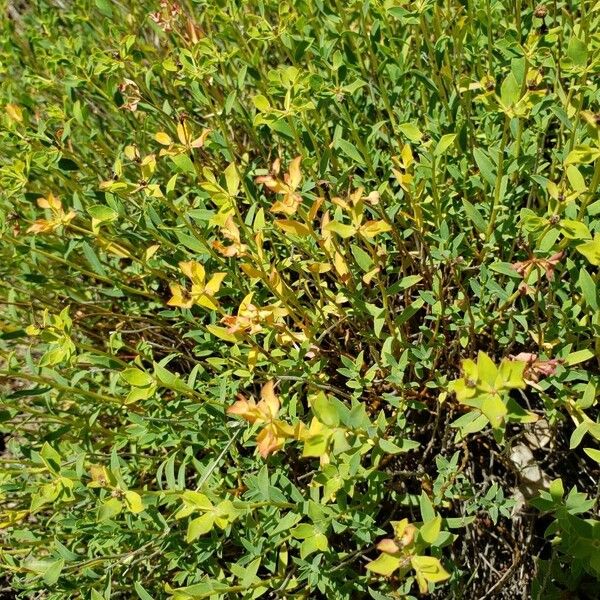
Known as the Spiny Spurge, this Mediterranean native looks like a living sea urchin resting in a rock garden. It is a master of defense, known for turning its old, weathered stems into a woody fortress to survive the harsh, dry winds of its homeland. In spring, this "spiny" ball transforms as it is smothered in a bright, neon-yellow glow of tiny blooms.
🔍 How to Identify
- 🌿 Growth Habit: It forms a dense, low-growing, hemispherical "cushion" that looks like a tangled mound of twigs.
- 🌼 The "Flowers": Like all spurges, its true flowers are tiny, but they are surrounded by showy, chartreuse (yellow-green) bracts that light up the plant in late spring.
- ⚔️ The Spines: The most distinctive feature is the network of stiff, grey, leafless branchlets. These aren't true thorns, but rather old flower stalks that have hardened and sharpened over time.
🏡 In Your Garden
- 🪨 Rock Specialist: This plant is the ultimate "set it and forget it" choice for rockeries or gravel gardens. It thrives in poor, limestone-heavy soils where more delicate plants would wither.
- ☀️ Sun Seeker: It requires full, intense sunlight to maintain its tight, architectural shape. In the shade, it loses its "cushion" look and can become sparse and floppy.
- ✂️ Low Maintenance: Because it grows so slowly and predictably, it rarely needs pruning. In fact, leaving the old stems is essential to maintaining its unique "spiny" aesthetic.
⚠️ Safety & Toxicity
- 🚫 Toxic Latex: All parts of the plant contain a milky white sap (latex). This substance is a strong irritant to the skin and can cause painful blistering or temporary blindness if it touches the eyes.
- 🐾 Pets & Kids: It is toxic if ingested and the sharp, dried stems can cause physical scratches. Always wear gloves and eye protection when handling this plant, and keep it away from high-traffic areas where children or pets play.
✨ Fun Fact
- 🕰️ Evolutionary Armor: The "spines" of Euphorbia spinosa are a brilliant example of plant recycling. Instead of wasting energy growing thorns from scratch, the plant simply keeps its old, dead flower stalks (peduncles), which harden into a protective cage that stops goats and sheep from eating the tender new leaves inside!

Detailed Care Instructions
To grow Euphorbia Spinosa plant, also known as the Spurge or Mexican fireplant, follow these steps:
- Choose a suitable location: Euphorbia Spinosa thrives in full sun to partial shade. Select a spot in your garden or a container with well-draining soil.
- Prepare the soil: Make sure the soil is well-drained, loose, and fertile. If it is heavy or compacted, amend it with organic matter, such as compost or well-rotted manure, to improve drainage and fertility.
- Sowing seeds: Euphorbia Spinosa can be grown from seeds. Sow the seeds indoors in a seed tray or directly into the prepared soil in spring. Gently press the seeds into the soil or lightly cover them with a thin layer of soil.
- Watering: After planting, water the seeds or seedlings thoroughly, making sure the soil is evenly moist. Euphorbia Spinosa prefers slightly dry conditions, so avoid overwatering. Water only when the top inch of soil feels dry.
- Fertilizing: Fertilize the plants once a month during the growing season with a balanced, water-soluble fertilizer. Follow the instructions on the fertilizer package for dosage and application.
- Maintenance: Euphorbia Spinosa is a low-maintenance plant, but remove any weeds that may compete for nutrients and water. It is also a good practice to mulch around the base of the plant to suppress weed growth and retain moisture.
- Pruning: If desired, you can prune Euphorbia Spinosa to maintain its shape or control its size. However, be cautious as the plant exudes a milky sap that can be irritating to the skin and toxic if ingested. Wear gloves and eye protection while pruning, and wash your hands thoroughly afterward.
- Protecting from frost: Euphorbia Spinosa is not frost-tolerant, especially during its early growth stages. If you live in a colder region, consider growing it in containers that can be moved indoors during winter or cover it with protective materials during freezing temperatures.
Remember, Euphorbia Spinosa can be invasive in some areas due to its seed dispersal mechanism, so ensure it is legal and suitable to grow in your region. Observe all safety precautions while handling this plant, and seek medical attention if you experience adverse reactions.

Place in a bright room that is sun drenched almost all day. Or directly in a south-facing window.

To properly water this plant, it is important to ensure that the soil is completely dry before watering it again. This might require checking the soil weekly or even daily during hot, dry weather. When watering, it is necessary to avoid getting water on the leaves or stem as this can lead to rot and other fungal diseases. Instead, water at the base of the plant and allow the soil to soak up the water thoroughly. Ensure there is proper drainage to prevent waterlogging. It's recommended to avoid overwatering as it can cause root rot.
- Find a balanced fertilizer with equal parts nitrogen, phosphorus, and potassium.
- Dilute the fertilizer according to the package instructions.
- Apply the fertilizer around the base of the plant.
- Water the plant thoroughly after fertilizing.
- Fertilize the plant once a month during the growing season.
- Do not fertilize during periods of drought or extreme heat.
Euphorbia Spinosa prefers well-draining soil that is light and porous. The soil should have a balanced pH level of around 6.0 to 7.5. It can be sandy, loamy, or gravelly as long as it allows excess water to drain away from the plant's roots. Soil that is too heavy and clay-like can lead to root rot and other issues. To improve soil drainage, you can mix in perlite or coarse sand. Additionally, the soil should be rich in organic matter, such as compost or peat moss, to provide the necessary nutrients for the plant to thrive. Finally, it's important to avoid using soil that contains high levels of salts or heavy metals, as these can be toxic to the plant.
To propagate this plant, you will need to take stem cuttings. Choose a healthy stem that is at least 4 inches long and has a couple of leaves on it. Use a sharp, clean pair of scissors or shears to make a clean cut just below a leaf node. Remove any leaves from the lower half of the stem.
Fill a small pot with moist, well-draining soil. Make a hole in the soil and insert the stem cutting into it, pressing the soil around it to hold it securely in place. Water the cutting thoroughly.
Place the pot in a warm, bright location out of direct sunlight. Keep the soil moist but not waterlogged. In a few weeks, you should start to see new growth emerging from the cutting. Once the plant has established itself and has several new leaves, you can transplant it into a larger pot or into your garden.








