Plant Overview
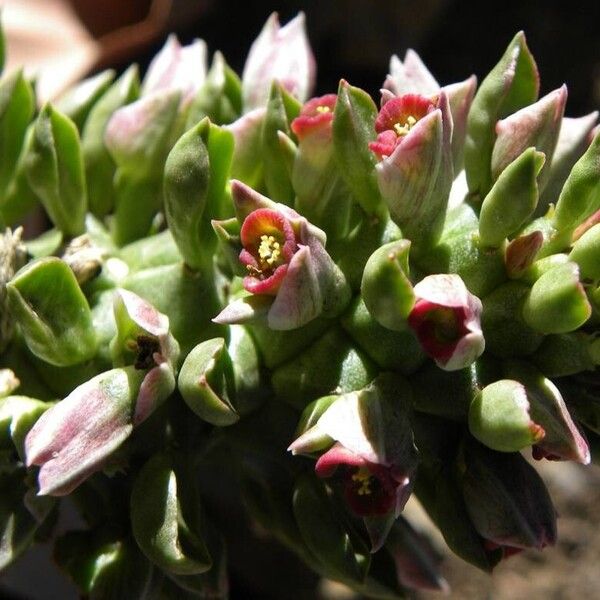
Often referred to as the Sausage Spurge or simply Monadenium, Euphorbia succulenta is a striking architectural wonder hailing from the rocky hillsides of East Africa. This quirky succulent looks less like a traditional plant and more like a collection of fleshy, green fingers or prehistoric sausages stacked in a geometric dance. It has earned a reputation among collectors for its "scaly" appearance and its ability to transform a sunny windowsill into a miniature desert landscape.
🔍 How to Identify
- 🐍 Stems: The most distinctive feature is the thick, cylindrical stems that are covered in a "tessellated" pattern, making them look remarkably like snakeskin or fish scales.
- 🍃 Foliage: It produces small, succulent, teardrop-shaped leaves near the tips of the stems. These leaves are often deciduous, meaning the plant may drop them during its winter "nap" to conserve water.
- 🌸 Pseudo-flowers: Instead of traditional petals, it produces specialized structures called cyathia. These tiny, cup-like blooms are often framed by pinkish or pale green bracts that look like tiny hoods or monk’s cowls.
🏡 In Your Garden
- ☀️ Light & Shade: While it loves the sun, it prefers "bright-filtered" light over harsh, direct afternoon heat. If the stems start turning a deep reddish-purple, the plant is telling you it's getting plenty of sun (and a little bit of stress).
- 💧 The Winter Sleep: This plant follows a strict seasonal rhythm. During the winter, it goes dormant and prefers to stay almost completely dry. Overwatering during this "sleep" period is the most common mistake, as the fleshy roots are prone to rot if kept in cold, damp soil.
- 🏺 Potting Nuance: Because it has a relatively shallow root system but heavy "sausage" stems, it performs best in a heavy terracotta pot that provides stability and allows the soil to breathe.
⚠️ Safety & Toxicity
- 🚫 Status: TOXIC. Like all members of the Spurge family, this plant contains a milky white sap (latex).
- 🧴 Details: The sap is a strong irritant. If it gets on your skin, it can cause redness and itching; if it gets in the eyes, it can cause severe pain and temporary blindness. Always wear gloves when pruning and keep the plant far out of reach of curious cats, dogs, or toddlers who might be tempted to take a bite.
✨ Fun Fact
In the past, this plant was classified in its own genus called Monadenium. The name comes from the Greek words "mono" (one) and "aden" (gland), referring to the unique, singular honey-gland found in its flower structure that sets it apart from other succulents!

Detailed Care Instructions








