Plant Overview
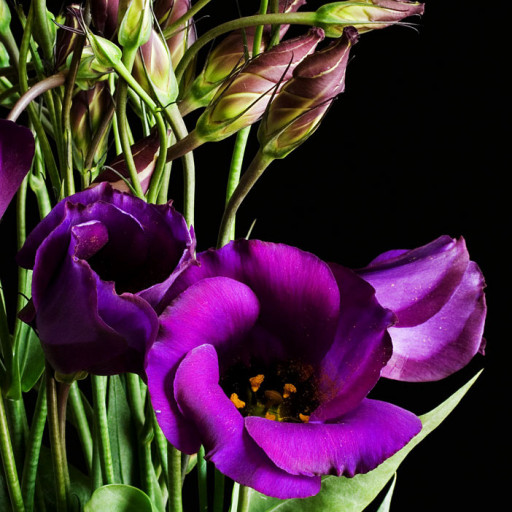
Eustoma russellianum, widely known as Lisianthus or the "Texas Bluebell," is the ultimate romantic of the wildflower world. Often mistaken for a rose or a peony because of its ruffled, multi-layered petals, this plant originally hailed from the sun-drenched prairies of North America. It has evolved from a humble grassland bloom into a high-fashion florist favorite, symbolizing appreciation, charisma, and a long, happy life.
🔍 How to Identify
- 🌸 The Bloom: The flowers are bell-shaped when budding, opening into wide, cup-like stars. They appear in elegant shades of deep purple, rose pink, creamy white, and even bi-colors with "picotee" (contrasting) edges.
- 🍃 The Foliage: The leaves are distinctively waxy and slightly succulent-like, featuring a dusty blue-green or "glaucous" hue that provides a cool contrast to the vibrant petals.
- 📏 Growth Habit: Lisianthus grows on upright, slender, but sturdy stems. In a single cluster, you will often see one open flower surrounded by several tightly swirled, pointed green buds.
🏡 In Your Garden
- 🏜️ The "Diva" Reputation: Because they evolved in the prairies with deep taproots, they are notoriously difficult to transplant. They hate having their roots disturbed; if you move them, they may pout or wilt, so choose their "forever home" carefully.
- 💧 Watering Nuance: While they enjoy consistent moisture, they are highly susceptible to "damping off" and fungal issues. Always water at the base of the plant—getting the delicate, papery petals wet can lead to spotting and rot.
⚠️ Safety & Toxicity
- ✅ Safe Status: Good news for families and pet owners! Eustoma russellianum is generally considered non-toxic to cats, dogs, and humans.
- 🌸 Sensitive Skin: While not poisonous, some gardeners with very sensitive skin may experience mild irritation from the sap if handling broken stems frequently.
✨ Fun Fact
The name "Eustoma" comes from the Greek words eu (good) and stoma (mouth), referring to the large, beautiful opening of the flower’s throat. Despite its delicate, fragile appearance, it is one of the longest-lasting cut flowers in existence, often staying fresh in a vase for up to three weeks!

Detailed Care Instructions
To grow Eustoma russellianum, also known as Prairie Gentian or Texas Bluebell, follow these steps:
- Choose a suitable location: Eustoma russellianum prefers full sun to light shade. Select a well-drained area with fertile soil that has a slightly acidic to neutral pH level.
- Start seeds indoors: It is recommended to start Eustoma russellianum from seeds indoors 8-10 weeks before the last frost date in your region. Sow the seeds on the top of a well-draining seed-starting mix and lightly press them into the soil. Mist the soil with water to keep it moist.
- Maintain temperature and light conditions: Place the seed trays in a warm area with temperatures around 70°F (21°C). Provide ample sunlight or use grow lights to ensure proper growth. Aim for 14-16 hours of light each day.
- Transplant seedlings: Once the seedlings are large enough to handle, usually with 2-4 true leaves, transplant them into containers or directly into the garden bed. Space them around 6-12 inches apart to allow for proper airflow and growth.
- Watering and fertilizing: Eustoma russellianum prefers consistent moisture but does not tolerate waterlogged soil. Water the plants regularly, keeping the soil evenly moist, but avoid overwatering. Fertilize every 2-4 weeks during the growing season with a balanced, water-soluble fertilizer.
- Provide support: As the plants grow, they may require support due to their tall growth habit. Install stakes or trellises around the plants to prevent them from falling over with heavy blooms.
- Monitor for pests and diseases: Keep an eye out for common garden pests such as aphids, spider mites, and snails. Treat any infestations promptly using organic or chemical methods. Additionally, ensure good airflow around the plants to prevent fungal diseases.
- Harvesting: Eustoma russellianum produces beautiful flowers suitable for cut arrangements. Harvest the blooms as soon as they open and make a clean diagonal cut to encourage more flowers to form.
By following these steps, you can successfully grow Eustoma russellianum and enjoy their stunning flowers throughout the growing season.

Place in a window with dappled sun or a spot in the middle of a room. Or directly in a window facing west or east.

The best way to water this plant is to keep the soil consistently moist. However, it is important to avoid overwatering, as this can lead to root rot and other diseases. The frequency of watering will depend on various factors such as the size of the pot, the type of soil, and the climate. A good rule of thumb is to water when the top inch of soil feels dry to the touch. When watering, it is important to water deeply, making sure that the water reaches the bottom of the pot. To prevent water from sitting on the leaves, it is best to water at the base of the plant. Additionally, it is recommended to use a fertilizer every two weeks during the growing season to promote healthy growth and flowering.
To fertilize Eustoma Russellianum plant, follow these instructions:
- Choose a balanced fertilizer with equal amounts of nitrogen (N), phosphorus (P), and potassium (K). Look for a formulation of NPK 10-10-10 or similar.
- Dilute the fertilizer according to the package instructions. Generally, mix 1 tablespoon (15 mL) of fertilizer with 1 gallon (3.8 liters) of water.
- Water the soil around the plant prior to applying fertilizer. This ensures the nutrients are absorbed properly and prevents any potential root burn.
- Apply the diluted fertilizer to the soil around the base of the plant, avoiding direct contact with the foliage. Pour the solution slowly and evenly, ensuring it reaches the root zone.
- Do not over-fertilize the Eustoma Russellianum plant, as excessive nutrients can harm the plant's growth and cause burns to the roots. Follow the package instructions regarding frequency of fertilization, generally once every 2-3 weeks during the active growing season.
- Monitor the plant for any signs of nutrient deficiency or excess. Yellowing leaves, stunted growth, or discoloration may indicate a need to adjust the fertilizer application.
- Water the plant thoroughly after fertilizing to help distribute the nutrients and prevent buildup of any remaining fertilizer salts.
Remember to always read and follow the specific instructions provided with the fertilizer product you choose, as different brands may have slightly different usage guidelines.
When planting a particular flowering plant, one should consider using soil that is well-draining and nutrient-rich. It should be able to retain moisture while also allowing excess water to drain away easily. The ideal soil pH range for this plant is slightly acidic to neutral. When selecting soil, it is important to check the texture as well. The soil should be loose and airy, making it easy for the roots to penetrate and spread. Adding organic matter like compost can help improve soil texture and nutrient content. Overall, the soil should support the vigorous growth and development of the plant, allowing it to produce healthy and vibrant blooms.
Eustoma russellianum, a flowering plant native to North America, can be propagated through various methods. Here's a detailed description of how to propagate this plant:
- Starting with a healthy parent plant: To propagate Eustoma russellianum, ensure that you have a mature, healthy parent plant with strong stems and vibrant flowers. This will help ensure the successful propagation of the plant.
- Collecting seeds: One way to propagate Eustoma russellianum is by collecting seeds from mature plants. Wait for the flowers to wither and develop seed pods. Once the seed pods turn brown and start to split open, carefully collect the seeds and store them in a dry, cool place until ready to use.
- Seed sowing: Fill small pots or seed trays with a well-draining potting mix. Moisten the soil slightly before sowing the seeds. Gently sprinkle the Eustoma russellianum seeds on the soil surface, ensuring they are evenly distributed. Do not cover them with soil, as they require light for germination.
- Indoor germination: Place the pots or trays in a warm indoor location that receives plenty of indirect sunlight. To provide the seeds with the necessary warmth, you can use bottom heat by placing the containers on a heat mat or near a radiator. Maintain consistent moisture in the soil by misting it regularly. Germination usually takes around 2-3 weeks.
- Transplanting seedlings: Once the seedlings have developed a couple of sets of true leaves, they can be gently transplanted into individual pots using a well-draining potting mix. Ensure that the young plants are kept in a warm location and receive ample sunlight. Water them regularly, allowing the soil to dry slightly between waterings.
- Division: Another propagation method for Eustoma russellianum is division. This method works well for mature plants that have developed multiple crowns or clumps. Carefully lift the parent plant from the soil, ensuring that the roots remain intact. Use a sharp, sterilized knife or garden tool to carefully divide the plant into smaller sections, ensuring each division has sufficient roots and stems.
- Potting divided sections: Plant each divided section into individual pots or directly into the desired planting area. Ensure that the soil is well-draining and provide adequate sunlight, warmth, and moisture for successful establishment.
- Care during propagation: Whether propagating from seeds or division, it is crucial to provide a suitable environment for young Eustoma russellianum plants. Maintain consistent moisture, but avoid overwatering, as this can lead to root rot. Provide the plants with indirect sunlight to promote healthy growth.
By following these steps, you can successfully propagate Eustoma russellianum, also known as Lisianthus or Texas Bluebell, and expand your collection of these beautiful flowering plants.
Common pests of the lisianthus include Spider mites, aphids, thrips. Make a habit of checking your lisianthus frequently for pests so that any infestations can be caught and managed early.








