Plant Overview
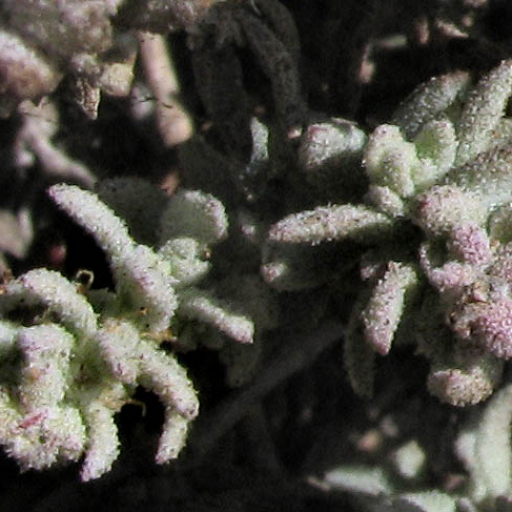
Often called the California Orache, this resilient native of the West Coast is a true survivor of the salt spray zone. Found clinging to coastal bluffs and sandy dunes, it creates a shimmering, silvery-green carpet that thrives where most plants would perish. In the wild, it acts as a vital anchor, protecting the fragile shoreline from the constant erosion of wind and waves.
🔍 How to Identify
- 🍃 Foliage Texture: The small, lance-shaped leaves have a distinct "scurfy" or mealy texture, appearing as if they have been dusted with fine silver powder or sugar.
- 🌱 Growth Habit: It is a prostrate, perennial herb that forms dense, sprawling mats. It stays low to the ground, rarely rising more than a few inches high but spreading wide.
- 🎨 Subtle Blooms: The flowers are tiny and lack petals, appearing as small, greenish clusters in the leaf axils. They are wind-pollinated rather than bee-pollinated.
🏡 In Your Garden
- 🌊 Salt Specialist: This plant is a "halophyte," meaning it physically craves salt. It is the premier choice for "frontline" seaside gardens where heavy salt spray and brackish winds would wither more sensitive species.
- 🏜️ Drainage is Key: While it is incredibly drought-tolerant, its biggest weakness is stagnant water. To keep it happy, use sandy or rocky soil mixes that mimic the loose earth of a coastal bluff.
⚠️ Safety & Toxicity
- ✅ Non-Toxic Status: California Orache is generally considered safe and is not known to be toxic to humans, cats, or dogs.
- 👅 Salt Accumulation: Because the plant actively pulls salt from the earth, its leaves can be quite salty. While some related species are edible, you should avoid tasting plants found in urban areas or near roadsides where they may have absorbed pollutants.
✨ Fun Fact
The "dusty" silver coating on the leaves is actually a field of microscopic salt bladders. The plant pumps excess salt into these tiny balloons until they burst, effectively "sweating out" the ocean's salt to keep its internal tissues hydrated with fresh water!

Detailed Care Instructions








