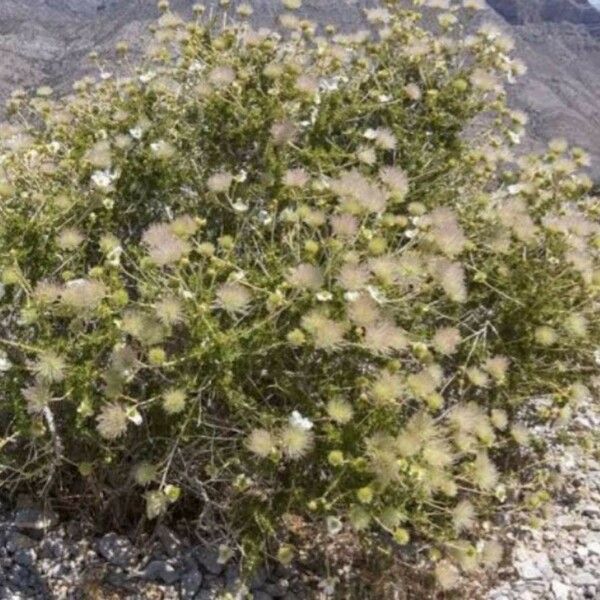
Plant Overview
Often called the Apache Plume, this hardy desert shrub is a true shape-shifter of the American Southwest. It spends the spring adorned with delicate white blossoms that look like miniature wild roses, only to transform into a whimsical spectacle of feathery, pinkish-purple seed heads. These "plumes" catch the late afternoon sun, creating a glowing, smoke-like aura that has made it a favorite for high-altitude and desert gardeners.
🔍 How to Identify
- 🌿 The Foliage: Small, deeply lobed leaves that are dark green on top and have a rusty, downy texture underneath to help the plant conserve moisture.
- 🌸 The Bloom: Simple, white, five-petaled flowers with a cluster of yellow stamens in the center, typically appearing from late spring through summer.
- 🪶 The Plumes: The most iconic feature—long, silky, reddish-pink styles that extend from the spent flowers, creating a fuzzy, cloud-like appearance across the entire bush.
🏡 In Your Garden
- 🏜️ Desert Resilience: This plant is a champion of xeroscaping; it thrives in poor, rocky soil and intense heat. It possesses a deep taproot, making it incredibly drought-tolerant but also difficult to move once it has settled into its home.
- 🐝 Pollinator Hub: It serves as a vital nectar source for bees and butterflies in arid climates. Because it stays twiggy and dense, it also provides excellent protective cover for small desert birds and lizards.
⚠️ Safety & Toxicity
- ✅ Safe Status: Apache Plume is generally considered non-toxic to humans, dogs, and cats. It is a safe choice for family gardens and areas frequented by pets.
- 🧤 Pruning Note: While it lacks the sharp thorns of its rose relatives, the older wood can become very brittle and "shaggy." It is best to wear gloves when pruning to avoid skin irritation from the dry, peeling bark.
✨ Fun Fact
The species name paradoxa was given because the plant seemed like a botanical contradiction; it has the flowers of a rose but the feathery, wind-dispersed seeds typically found in the Clematis (Virgin’s Bower) family!

Detailed Care Instructions
To grow Fallugia Paradoxa, also known as Apache plume or ponil, you can follow these steps:
- Choose the right location: Apache plume prefers full sun but can tolerate partial shade. Make sure the soil is well-drained and not too acidic.
- Propagation: You can grow Apache plume from seeds or cuttings. If using seeds, scarify them by lightly scratching the seed coat before planting. Start the seeds indoors in early spring or directly sow them in the garden after the last frost.
- Planting: Dig a hole that is slightly larger than the root ball of the plant. Place the plant in the hole and backfill with soil, gently firming it around the roots. Space the plants about 2-3 feet apart to allow for their spreading nature.
- Watering: Water the plant deeply after planting to ensure good establishment. After that, Apache plume is drought-tolerant and only requires occasional deep watering during dry periods. It's important to avoid overwatering, as it can lead to root rot.
- Mulching: Apply a layer of organic mulch, such as wood chips or straw, around the base of the plant to help conserve moisture, suppress weeds, and maintain a more even soil temperature.
- Pruning: Apache plume has a naturally sprawling habit, but you can prune it lightly in late winter or early spring to shape the plant or remove any dead or damaged branches.
- Fertilizing: Apache plume generally doesn't require heavy fertilization. However, you can apply a balanced slow-release fertilizer in early spring to promote healthy growth.
- Pests and diseases: Apache plume is generally not prone to major pest or disease problems. However, keep an eye out for aphids, spider mites, or powdery mildew. If necessary, treat with insecticidal soap or horticultural oil.
- Winter care: Apache plume is hardy in USDA zones 4-8. However, in colder regions, you can protect the plant during harsh winters by adding a layer of mulch around the base or covering it with burlap.
By following these steps, you can grow and care for a healthy Fallugia Paradoxa plant.

Place in a bright room that is sun drenched almost all day. Or directly in a south-facing window.

Watering instructions for a plant with the scientific name Fallugia Paradoxa will depend on several factors, including the plant’s age, size, and environment. In general, it’s important to water this plant consistently but not excessively, as it prefers well-draining soil and can be sensitive to overwatering. One way to ensure proper watering is to allow the top inch or so of soil to dry out before watering again, as this helps prevent waterlogged roots. When watering, it’s best to water deeply and infrequently, meaning soaking the soil around the plant for several minutes until water begins to drain out the bottom of the pot or into the surrounding earth. In addition, it’s important to avoid getting water on the leaves of this plant, as this can lead to fungal disease or other issues. Finally, be sure to monitor the plant regularly for signs of wilting or yellowing, which may indicate under- or over-watering. By tailoring your watering regimen to the unique needs of your F. Paradoxa plant, you can help ensure its health and long-term survival.
To fertilize this plant, use a complete balanced fertilizer in the spring after the last frost and again in mid to late summer. Use a slow-release fertilizer with a nitrogen-phosphorus-potassium ratio of 10-10-10 or 20-20-20 and apply according to the instructions on the package. Avoid fertilizing in the fall as it may promote new growth that is vulnerable to winter damage. Instead, focus on providing the plant with adequate mulch and water to help it survive the winter.
Fallugia Paradoxa is a type of plant that requires a well-draining soil in order to grow properly. The soil should be slightly acidic to neutral with a pH level between 5.5 to 7.5. It is also important that the soil has a low salt content, as excessive salt can harm the plant. The ideal soil for Fallugia Paradoxa should be a mixture of sand, loam, and clay, with a good amount of organic matter to provide nutrients to the plant. It is recommended to add compost, peat moss, or other organic matter to the soil before planting Fallugia Paradoxa in order to improve the soil's quality. Additionally, the soil should be moist but not waterlogged or overly dry, as this can also harm the plant's growth.
To propagate this plant, you will need to first collect mature seeds from the parent plant in the fall. Once the seeds have been collected, they should be cleaned and dried before being stored in a cool, dry place until the following spring.
In the spring, you can plant the seeds directly in a well-draining soil mix in a seed tray or small pots. The seeds should be covered lightly with soil and kept moist but not waterlogged.
After 4-6 weeks, the seeds should begin to germinate and you can transplant them into larger containers or directly into the ground. It is important to make sure the plants receive plenty of sunlight and adequate water during this time.
Once the plants have established roots and are growing well, they can be transplanted into their permanent location in the garden or landscape. It is important to space the plants properly to allow for future growth and ensure they have enough room to thrive.
Common pests of the apache plume include Aphids. Make a habit of checking your apache plume frequently for pests so that any infestations can be caught and managed early.








