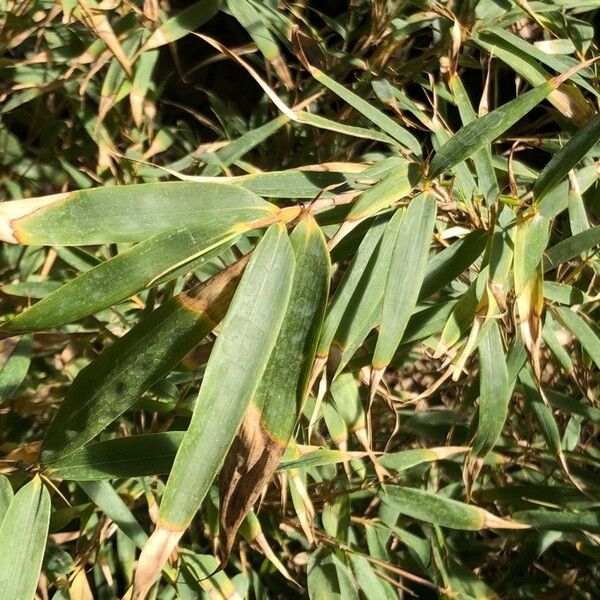
Plant Overview
Known as the "Dragon's Head Bamboo," Fargesia rufa is the darling of the bamboo world for those who fear "the spread." Unlike its aggressive, invasive cousins, this Chinese native is a well-behaved clumper that stays exactly where you put it. It creates a lush, fountain-like mound of greenery that adds an instant Zen-like tranquility to any landscape.
🔍 How to Identify
- 🎋 Clumping Habit: It grows in tight, predictable circles (pachymorph rhizomes), meaning it won't pop up in your neighbor's yard or crack your patio.
- 🍃 Slender Foliage: The leaves are narrow, lance-shaped, and a vibrant glossy green, typically maintaining their color even through the winter.
- 🧡 Rusty Sheaths: The most distinctive feature is the "rufa" (reddish) sheaths. New stems emerge with striking rusty-orange or pinkish-red casings that contrast beautifully against the green culms.
🏡 In Your Garden
- 🌥️ Cool & Shady: Unlike many tropical bamboos, Rufa thrives in dappled shade and is incredibly cold-hardy. It’s the perfect solution for northern gardeners who want a tropical look without the winter kill.
- 💧 Moisture Consistency: This plant hates "wet feet" but loves consistent moisture. Because it has a shallow root system, it’s susceptible to drying out in high winds, so a sheltered spot is best to keep its leaves from curling.
⚠️ Safety & Toxicity
- ✅ Pet & Human Safe: Fargesia rufa is non-toxic to cats, dogs, and humans. It is one of the safest screening plants you can choose for a family-friendly garden.
- 🧤 Physical Caution: While not poisonous, the leaves have tiny serrations that can cause mild skin irritation or "grass cuts" if you brush against them quickly. Wearing gloves during maintenance is recommended.
✨ Fun Fact
In its native habitat in the mountains of Sichuan, China, Fargesia rufa is a staple "Panda Snack." It is one of the primary food sources for Giant Pandas, meaning your backyard hedge is literally a five-star meal for one of the world's rarest bears!

Detailed Care Instructions
| Lighting | Part Sun |
| Hardiness Zones | Min 6B |
Here are some tips on how to grow Fargesia Rufa plant:
- Choose the right location: Fargesia Rufa thrives in well-drained soil with partial shade to full sun. Ensure the soil is rich in organic matter and drains well.
- Prep the soil: Before planting, amend the soil with compost or well-rotted manure to improve fertility and drainage.
- Planting: Dig a hole twice the size of the root ball. Place the plant in the hole, ensuring it is at the same level as the surrounding soil. Backfill the hole with soil, gently firming it around the roots.
- Watering: Fargesia Rufa enjoys moist but not waterlogged soil. Water deeply and regularly, especially during dry spells or the first year of growth. Once established, the plant is more drought-tolerant.
- Mulching: Apply a layer of organic mulch, such as wood chips or straw, around the base of the plant. This helps conserve moisture, suppress weeds, and maintain a consistent soil temperature.
- Pruning: Prune only dead or damaged canes. Avoid extensive pruning, as Fargesia Rufa has a clumping growth habit and pruning could alter its appearance.
- Fertilizing: Apply a balanced, slow-release fertilizer in early spring to provide nutrients throughout the growing season. Follow the package instructions for dosage.
- Winter protection: Fargesia Rufa is hardy, but in colder climates, protecting it from strong winds and extreme temperatures during winter can help. Mulch around the base to insulate the roots and consider using burlap or a similar material to wrap the plant.
- Division: Fargesia Rufa can be divided every few years in early spring when new shoots appear. Carefully dig up the plant and separate the clumps, ensuring each division has roots and shoots. Replant the divisions as individual plants.
- Pests and diseases: Fargesia Rufa is relatively pest and disease resistant. However, keep an eye out for common bamboo pests like aphids, spider mites, and bamboo mites. Treat infestations promptly with organic insecticides if needed.
Remember to research your local climate and growing conditions to ensure the best care for your Fargesia Rufa plant.

Place in a window with dappled sun or a spot in the middle of a room. Or directly in a window facing west or east.

When watering this plant, it is important to keep the soil moist but not waterlogged. You should water the plant deeply at least once a week, allowing the water to soak into the soil. Avoid getting the foliage wet when watering, as this can increase the risk of fungal diseases. During the warmer months, the plant may require more frequent watering, especially if it is growing in a container or in a particularly dry area. You should also make sure that the soil is well-draining to prevent water from sitting around the roots and causing damage. It may be helpful to water the plant in the morning or evening when temperatures are cooler to avoid evaporation and to give the plant time to absorb the water before the heat of the day.
To fertilize Fargesia Rufa plants, follow these instructions:
- Choose a balanced, slow-release fertilizer with a ratio of 10-10-10 or 14-14-14.
- Apply the fertilizer in early spring or early summer when the plant is actively growing.
- Measure the recommended amount of fertilizer according to the package instructions.
- Sprinkle the fertilizer evenly around the base of the plant, avoiding direct contact with the stems.
- Use a garden fork or a hand cultivator to lightly work the fertilizer into the top layer of soil or mulch.
- Water the plant thoroughly after applying the fertilizer to help activate and distribute the nutrients.
- Repeat the fertilization process annually or as recommended based on the specific fertilizer brand.
- Monitor the plant's foliage for any signs of nutrient deficiencies or excesses, adjusting the fertilizer amount as needed.
Note: Fargesia Rufa plants are typically used for privacy hedges, due to their non-invasive nature, tolerance to shaded areas, and ability to thrive in a variety of soil conditions.
The Fargesia Rufa plant prefers well-drained, moderately fertile soil with a slightly acidic pH between 5.5 and 6.5. It is important to avoid using heavy clay soils or soils that are overly compacted, as these can lead to poor root development and waterlogging. It is recommended to use a soil mix that is rich in organic matter, such as compost or leaf mold, to improve soil structure and provide essential nutrients. Additionally, the soil should be kept consistently moist but not waterlogged, as the plant is sensitive to both drought and over-watering. Finally, adding a layer of organic mulch around the base of the plant can help to conserve moisture and protect the roots from extreme temperature fluctuations.
To propagate Fargesia Rufa plants, the following steps can be followed:
- Select a healthy parent plant: Choose a mature and healthy Fargesia Rufa plant for propagation. Ensure that it is free from diseases and pests.
- Division: One common method of propagating Fargesia Rufa is through division. Carefully dig up the parent plant, exposing its underground rhizome system.
- Separation: Gently separate the rhizomes by cutting or pulling them apart. Ensure that each separated rhizome has an adequate number of roots and healthy shoots.
- Transplanting: Prepare a suitable planting site for the new divisions. Choose a location with well-draining soil and partial shade. Dig a hole slightly larger than the rhizome and place it in the hole, making sure the soil level matches the original planting depth. Fill the hole with soil and lightly firm it around the rhizome.
- Watering: After planting, thoroughly water the newly transplanted divisions. This will help settle the soil and provide moisture for the plant's roots.
- Mulching: Apply a layer of organic mulch around the base of the plant to help retain moisture and suppress weed growth.
- Care: Fargesia Rufa plants prefer moist soil conditions. Regularly water the propagated divisions, especially during dry periods. Avoid overwatering, as excessive moisture can lead to root rot.
- Protection: Protect the newly propagated plants from extreme temperature fluctuations and harsh winds, as they can stress and damage the plants.
- Maintenance: Monitor the plants for any signs of pests or diseases. Prune any damaged or dead stems to promote healthy growth.
By following these steps, you can successfully propagate Fargesia Rufa plants and establish new growth in your garden.
Common pests of the fountain bamboo include Thrips. Make a habit of checking your fountain bamboo frequently for pests so that any infestations can be caught and managed early.








