Plant Overview
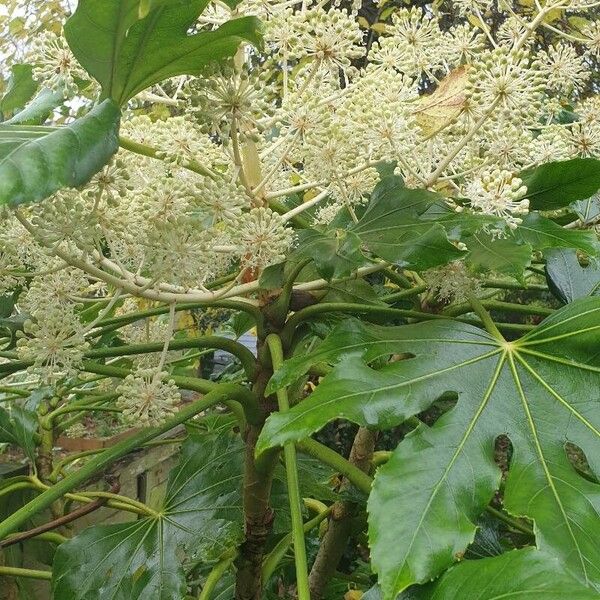
Known as the "Tree Ivy" or the "Miracle Plant," × Fatshedera lizei is a botanical curiosity born from an unlikely romance between a shrub and a vine. Created in a French nursery in 1912, this plant is a rare "intergeneric hybrid," combining the architectural strength of Fatsia japonica with the trailing elegance of English Ivy. It’s the perfect solution for those who want the look of ivy without its invasive, wall-clinging habits.
🔍 How to Identify
- 🍃 Lustrous Foliage: It features large, leathery, 5-lobed leaves that look like oversized ivy. The leaves have a deep, waxy green polish that reflects light beautifully.
- 🗼 The "Floppy" Stem: Unlike its shrub parent, it has a relatively thin, semi-woody stem. It grows upward but lacks the strength to stay upright on its own as it matures.
- 🚫 No Clinging Roots: Unlike true ivy, it does not produce aerial "suckers" or rootlets to grip walls, meaning it won't damage your paint or masonry.
🏡 In Your Garden
- 🧗 The Identity Crisis: Because it is half-vine and half-shrub, this plant often needs a stake or a moss pole to keep it from sprawling. Without support, it becomes a lush, heavy groundcover.
- 🌬️ The Cool Specialist: This is one of the best plants for drafty hallways or unheated sunrooms. It actually prefers cooler temperatures and will struggle in a room that is kept too hot and dry during the winter.
- ✂️ Pruning for Shape: It has a tendency to grow as one long "pole." To encourage a bushier look, you must pinch off the growing tips to force the plant to branch out.
⚠️ Safety & Toxicity
- 🐾 Toxic to Pets: Like its ivy parent, it contains saponins. If ingested by dogs or cats, it can cause vomiting, drooling, and abdominal pain.
- 🧤 Skin Irritation: The sap can be a mild irritant to humans. If you have sensitive skin, it is best to wear gloves when pruning or taking cuttings to avoid a "weeping" rash.
✨ Fun Fact
🧪 A Rare Hybrid: In the wild, plants from different "genera" (the rank above species) almost never crossbreed. × Fatshedera lizei is one of the few successful intergeneric hybrids in the world, making it a true "Frankenstein" of the plant kingdom!

Detailed Care Instructions
Fatshedera Lizei, also known as tree ivy, is a hybrid plant that is a cross between Fatsia japonica and Hedera helix. Here are some tips on how to grow and care for Fatshedera Lizei:
- Light: Fatshedera Lizei prefers bright, indirect light. Place the plant near a window where it can receive plenty of natural light.
- Temperature: Keep the plant in a room with a temperature range of 60-75°F (15-24°C). Avoid placing it in drafty areas or near heat sources.
- Watering: Water the plant when the top inch of soil feels dry to the touch. Be sure to water thoroughly, but allow excess water to drain out of the pot to prevent overwatering.
- Humidity: Fatshedera Lizei prefers high humidity levels. You can increase humidity by placing a humidifier near the plant, setting the pot on a tray filled with pebbles and water, or misting the plant regularly.
- Fertilizing: Feed the plant with a balanced, water-soluble fertilizer diluted to half strength every 4-6 weeks during the growing season (spring and summer).
- Pruning: Trim the plant to maintain its shape and size. You can also propagate new plants from cuttings taken from the mother plant.
- Repotting: Repot the plant in a slightly larger container every 2-3 years or when the roots become crowded. Use a well-draining potting mix.
- Pests and diseases: Keep an eye out for common houseplant pests like spider mites, aphids, and mealybugs. Treat any infestations promptly with insecticidal soap or neem oil.
By following these tips, you can successfully grow and care for a Fatshedera Lizei plant in your home or garden.
To properly water the × Fatshedera Lizei plant, it is important to keep the soil consistently moist but not waterlogged. This can be achieved by watering the plant regularly, typically once a week or when the top inch of soil feels dry to the touch. When watering, ensure that the water reaches the roots by watering at the base of the plant rather than overhead. Additionally, make sure to avoid letting water sit in the saucer or container underneath the plant, as this can lead to root rot. It is also important to adjust the watering schedule based on the plant's specific needs, such as during hot weather or if the plant is placed in a location with high humidity. Proper watering is essential for the health and growth of the plant, so monitoring the soil moisture regularly is key.
To fertilize a × Fatshedera Lizei plant, use a balanced, slow-release fertilizer in the spring and summer months. Dilute the fertilizer to half the recommended strength and apply every 4-6 weeks during the growing season. Be sure to water the plant before and after fertilizing to help prevent root burn. Avoid fertilizing in the fall and winter when the plant is dormant.
When choosing soil for the × Fatshedera Lizei plant, also known as being part of the Araliaceae family, it is important to select a well-draining, nutrient-rich mix. A combination of peat moss, perlite, and compost can provide the right balance of moisture retention and aeration for healthy root development. Additionally, adding some sand or grit to the mix can help improve drainage and prevent water-logging. It is essential to avoid heavy or compacted soils, as they can lead to root rot and other issues. Overall, a loose and fertile soil mixture will promote optimal growth and vitality for the × Fatshedera Lizei plant.
To propagate × Fatshedera Lizei plant, you can take stem cuttings from a healthy parent plant. Here is a step-by-step guide on how to successfully propagate this plant:
- Select a healthy and mature × Fatshedera Lizei plant as the parent plant. Make sure the plant is free from any diseases or pests.
- Take a sharp and clean pair of scissors or pruning shears and cut a 4-6 inch long stem from the parent plant. Make sure the cutting has at least 2-3 leaf nodes on it.
- Remove the lower leaves from the cutting to expose the nodes. This is where the roots will develop.
- Dip the cut end of the cutting in a rooting hormone to encourage root growth. This step is optional but can help in faster rooting of the cutting.
- Fill a small pot with well-draining potting mix or a mixture of perlite and peat moss. Moisten the soil slightly before inserting the cutting.
- Make a hole in the soil and carefully insert the cutting into it. Gently press the soil around the cutting to secure it in place.
- Place the pot in a warm and bright location with indirect sunlight. Keep the soil consistently moist but not soggy.
- To increase humidity around the cutting, you can cover the pot with a clear plastic bag or place it in a propagator.
- After a few weeks, you should start to see new growth on the cutting, indicating that it has rooted successfully. You can gently tug on the cutting to check for resistance, which indicates root growth.
- Once the cutting has established roots, you can transplant it into a larger pot or into the garden if the weather is suitable.
By following these steps, you can successfully propagate a × Fatshedera Lizei plant and grow new plants from cuttings.







