Plant Overview
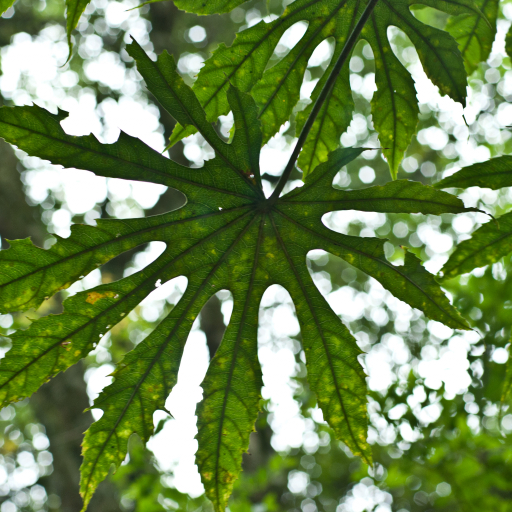
Often called the Taiwanese Fatsia, this elegant evergreen is the more refined, "shredded-leaf" cousin of the common Japanese Fatsia. Originating from the high-altitude mountain forests of Taiwan, it brings a dramatic, architectural flair to shady garden corners. Its deeply divided, star-shaped leaves create a prehistoric, jungle-like atmosphere that makes it a favorite for "urban jungle" enthusiasts.
🔍 How to Identify
- ❄️ The Leaf Shape: Unlike its cousin with broad lobes, this species has deeply "incised" leaves, often divided into 9 to 13 thin, finger-like segments that resemble giant green snowflakes.
- 🌿 Texture and Color: The foliage is a rich, matte green with a slightly leathery texture, though the new growth often emerges with a soft, silver-bronze fuzz.
- ⚪ The "Satellite" Flowers: In late autumn, it produces clusters of creamy-white, spherical flower heads that look like tiny pom-poms or miniature space satellites.
🏡 In Your Garden
- 🌬️ Sheltered Sanctuaries: Because the leaves are so deeply lobed and delicate, they can easily be "tattered" by harsh winds. It performs best in a protected spot, such as against a north-facing wall or under a woodland canopy.
- 💧 The "Goldilocks" Soil: It hates "wet feet" but refuses to sit in bone-dry dust. It thrives in humus-rich soil that stays consistently moist—think of the damp, decaying leaf litter on a forest floor.
⚠️ Safety & Toxicity
- 🐾 Mildly Toxic: Like many members of the Aralia family, this plant contains saponins. While not usually fatal, it can cause distress if ingested.
- 🤢 The Symptoms: If nibbled by pets or curious children, it can cause localized mouth irritation, drooling, and digestive upset (vomiting or diarrhea). It is best kept as a background structural plant away from high-traffic play areas.
✨ Fun Fact
While most garden plants are tucking themselves in for a winter nap, Fatsia polycarpa is a "late-season hero." It waits until October or November to bloom, providing a vital source of nectar for the last pollinators of the year.

Detailed Care Instructions
To grow a Fatsia Polycarpa plant, follow these steps:
- Choose the right location: Fatsia Polycarpa prefers partial shade or filtered sunlight. Select a spot in your garden that gets some morning sun but is protected from intense afternoon heat.
- Soil preparation: The plant thrives in well-draining soil that is rich in organic matter. Amend the soil with compost or well-rotted manure before planting.
- Planting: Dig a hole that is slightly larger than the root ball of the plant. Place the Fatsia Polycarpa in the hole and backfill with soil, gently firming it around the roots. Ensure that the crown of the plant is level with the soil surface.
- Watering: Fatsia Polycarpa requires regular watering, especially during the initial establishment period. Keep the soil consistently moist but avoid overwatering, as it can lead to root rot. Water deeply but less frequently during cooler months.
- Mulching: Apply a layer of organic mulch, such as wood chips or straw, around the plant to help retain moisture, suppress weeds, and provide insulation to the roots.
- Fertilizing: Use a balanced, slow-release organic fertilizer in spring and early summer to promote healthy growth. Follow the manufacturer's instructions for application rates.
- Pruning: Fatsia Polycarpa may require occasional pruning to maintain its shape and prevent overcrowding. Trim any dead, damaged, or crossing branches. Prune in early spring before new growth begins.
- Protection: If you live in a colder climate, provide winter protection by covering the plant with a frost cloth or moving it indoors when temperatures drop below freezing.
- Pests and diseases: Fatsia Polycarpa is generally resistant to pests and diseases. However, keep an eye out for spider mites, mealybugs, or scale insects. If infestations occur, treat them with organic insecticidal soap or neem oil.
- Propagation: Fatsia Polycarpa can be propagated by seeds or stem cuttings. Seeds should be sown in a pot filled with well-draining seed-starting mix and kept warm and moist until germination. Stem cuttings can be rooted in water or directly in soil with the help of rooting hormone.
By following these steps, you can successfully grow Fatsia Polycarpa and enjoy its attractive foliage in your garden.

Place in a window with dappled sun or a spot in the middle of a room. Or directly in a window facing west or east.

To properly water the plant, it is essential to ensure that the soil is consistently moist, but not soaked or waterlogged. It is recommended to use a well-draining soil mix and avoid water standing in the pot's saucer or tray. Regularly check the soil's hydration level by inserting a finger into the soil to a depth of about an inch to feel the moisture level. If the top inch feels dry, it is time to water. It is recommended to thoroughly saturate the soil when watering, but not to the point of creating standing water. It is advisable to use room temperature water, but not excessively cold or hot water, and avoid getting water on the leaves, as it may lead to fungal growth. Lastly, adjust the watering frequency based on the plant's growing environment and seasons – for example, more water may be needed during warmer months or in drier indoor environments.
- Use a well-balanced fertilizer with equal amounts of nitrogen, phosphorus, and potassium.
- Apply the fertilizer during the plant's growing season, which is usually from spring to fall.
- Mix the fertilizer with water according to the package instructions.
- Apply the fertilizer to the soil around the base of the plant, being careful not to let it touch the leaves.
- Water the plant immediately after fertilizing, to help the nutrients reach the roots.
- Avoid over-fertilizing, which can damage the roots and harm the plant.
The ideal soil for this plant is one that is well-draining and has a slightly acidic to neutral pH. It should be rich in organic matter and have good water retention capacity. A mix of peat moss, perlite, and vermiculite or a commercial potting mix that is labeled for tropical plants will work well. It is important not to use a heavy, compacted soil that will not allow adequate drainage, as this can lead to root rot. Additionally, the soil should be kept consistently moist, but not waterlogged.
To propagate this specific plant species, you can start by taking stem cuttings from the main plant. Choose a healthy and mature stem that is at least 6 inches long and has a few leaves and nodes. Using sharp and sterilized pruning shears, cut the stem at a 45-degree angle right below a node or leaf joint.
Next, remove the lower leaves from the stem, leaving only a few at the top. This will prevent excess moisture from being trapped in the soil and promote healthy growth. You can also dip the cut end of the stem in rooting hormone powder to improve the chances of success.
Prepare a pot with well-draining soil mixed with perlite or sand to improve aeration. Make a small hole in the soil and place the stem cutting in it. Firmly press the soil around the stem to ensure it has good contact.
Water the cutting thoroughly but make sure to let the soil dry out before the next watering. Place the pot in a shaded area or under indirect sunlight to avoid heat stress. In a few weeks, you should start to see new growth, indicating successful rooting.
Once the cutting has established roots and is growing well, you can transplant it into a larger pot or directly into the garden. With proper care, your new Fatsia Polycarpa plant should thrive and bring you joy for years to come.








