Plant Overview
Known affectionately throughout Central America as Loroco, Fernaldia pandurata is more than just a garden plant—it is a culinary superstar. This woody vine is the secret ingredient behind the authentic flavor of Salvadoran pupusas, prized for its unopened flower buds that pack a unique, earthy punch. While it looks like a standard tropical climber, its presence in a garden often signals a harvest of gourmet delights.
🔍 How to Identify
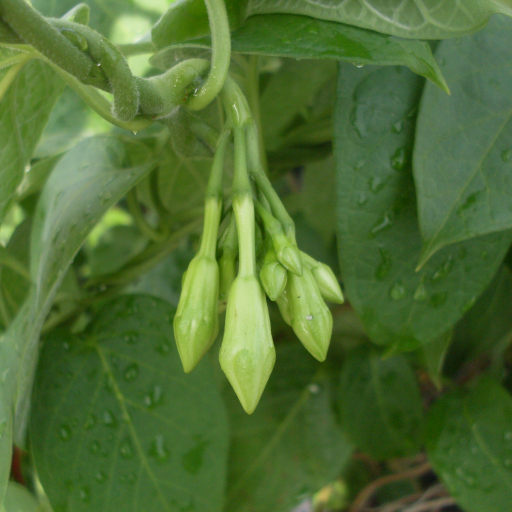
- 🌿 The Buds: The most recognizable feature is the clusters of green, teardrop-shaped flower buds. They look like tiny, tightly furled cabbages before they bloom.
- 🌸 The Blooms: When allowed to open, the flowers are bell-shaped and creamy white or pale green with five distinct petals.
- 🎋 Growth Habit: This is a vigorous "liana" or woody vine. It uses its twining stems to scramble up fences, trellises, or neighboring trees.
- 💧 The Sap: Like many members of the Dogbane family, the stems contain a milky white latex when broken.
🏡 In Your Garden
- 🧗 Support is Essential: Because Loroco is a natural climber, it requires a sturdy trellis or fence. It hates "flopping" on the ground, which can lead to rot and poor air circulation.
- ☀️ Tropical Cues: This plant thrives on heat and humidity. If you live in a cooler climate, it must be grown in a container and moved indoors before the first frost, as it is very sensitive to cold temperatures.
- ✂️ Harvesting for Flavor: If you are growing it to eat, you must harvest the buds while they are still closed. Once the flowers open, they lose their signature pungent, nutty aroma and texture.
⚠️ Safety & Toxicity
- 🍽️ Edibility Note: The flower buds are the only part of the plant widely consumed. They are safe and highly nutritious for humans when cooked.
- 🚫 Toxic Roots: A major word of caution—while the flowers are delicious, the roots are considered toxic and have historically been used as a rodenticide. Keep pets away from the base of the plant if they are prone to digging.
- 🧤 Skin Sensitivity: The milky sap can cause mild skin irritation or "dermatitis" for some individuals. It is best to wear gloves when pruning.
✨ Fun Fact
Loroco has a scent profile so unique that chemists have struggled to replicate it; it is described as a complex mix of "nutty, earthy, and pungent," similar to a cross between asparagus, broccoli, and toasted nuts.

Detailed Care Instructions
Fernaldia Pandurata, also known as the Panama Queen plant, is a tropical plant that thrives in warm, humid environments. Here are some tips on how to grow and care for Fernaldia Pandurata:
- Light: Fernaldia Pandurata prefers bright, indirect light. Place your plant near a window where it can receive plenty of sunlight, but make sure it is not exposed to direct sunlight which can scorch its leaves.
- Watering: Keep the soil consistently moist but not soggy. Water your Fernaldia Pandurata when the top inch of soil feels dry to the touch. Be careful not to overwater, as this can lead to root rot.
- Humidity: Fernaldia Pandurata thrives in high humidity. Mist the leaves regularly or place a humidity tray near the plant to increase humidity levels.
- Temperature: Fernaldia Pandurata prefers temperatures between 60-75°F (15-24°C). Avoid placing the plant near drafty windows or air vents.
- Fertilization: Feed your Fernaldia Pandurata with a balanced, water-soluble fertilizer every 4-6 weeks during the growing season (spring and summer).
- Pruning: Trim any dead or yellowing leaves to encourage new growth and maintain a tidy appearance.
- Repotting: Repot your Fernaldia Pandurata every 2-3 years or when it outgrows its current container. Use a well-draining potting mix with organic matter to promote healthy root growth.
By following these tips and providing the right care, you can help your Fernaldia Pandurata plant thrive and grow into a beautiful, lush specimen.
The best way to water this plant is to allow the top inch of soil to dry out between waterings. It prefers to be kept consistently moist but does not do well with waterlogged roots. When watering, pour water slowly and evenly over the soil until it begins to drain out of the bottom of the pot. Be sure to discard any excess water that accumulates in the saucer beneath the pot to prevent root rot. Additionally, this plant benefits from occasional misting to increase humidity. Avoid getting water on the leaves as this can cause spotting or fungal issues.
To fertilize the plant, use a balanced liquid fertilizer diluted to half strength. Apply the fertilizer to the soil every two weeks during the growing season. Make sure to water the plant thoroughly after fertilizing to help distribute the nutrients throughout the soil. Avoid over-fertilizing, as this can damage the plant.
Fernaldia pandurata plant prefers soil that is well-draining and rich in organic matter. It is important to avoid heavy soils that retain too much moisture. A good soil mix for this plant would contain a combination of peat moss, perlite, and vermiculite for good drainage, and a small amount of loam or garden soil for added nutrients. The soil mixture should be slightly acidic, with a pH range between 5.5 and 6.5. Regular fertilization is important, using a balanced fertilizer with equal parts nitrogen, phosphorus, and potassium.
Fernaldia pandurata plant can be propagated through stem cuttings. Here is a simple guide on how to propagate this plant:
- Begin by selecting a healthy and established Fernaldia pandurata plant from which to take cuttings.
- Using a sharp and clean pair of scissors or pruning shears, take 4-6 inch long cuttings from the stem of the plant. Make sure to cut just below a leaf node, as this is where roots will eventually grow from.
- Remove the lower leaves from the cutting to expose the nodes, which will help promote root growth.
- Fill a small pot with moist potting soil and make a small hole in the center using a pencil or your finger.
- Dip the cut end of the stem cutting into a rooting hormone to promote root development, and then place the cutting into the hole in the potting soil.
- Gently firm the soil around the cutting to ensure good contact with the soil.
- Place the pot in a warm and bright location, but out of direct sunlight, to encourage root growth. Make sure to keep the soil consistently moist, but not waterlogged.
- After a few weeks, you should start to see new roots forming on the cutting. Once the roots are well-established, you can transplant the cutting into a larger pot or directly into the garden.
By following these steps, you can successfully propagate Fernaldia pandurata plant and increase your plant collection.








