Plant Overview
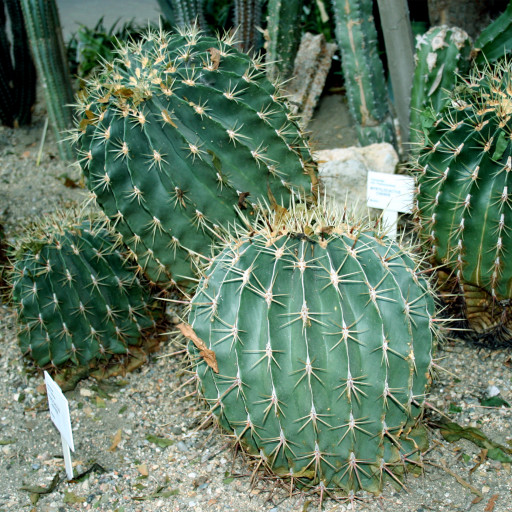
Meet the Ferocactus histrix, affectionately known as the "Candy Cactus" or the "Mexican Barrel Cactus." Emerging from the arid highlands of Central Mexico, this desert titan starts its life as a perfect, ribbed green globe before eventually stretching into a stately column. It is a slow-growing masterpiece that commands respect in any succulent collection with its architectural symmetry and fierce golden armor.
🔍 How to Identify
- 🌵 The Ribbed Body: The plant features 20 to 40 deep, sharp vertical ridges (ribs) that allow the cactus to expand and contract like an accordion depending on how much water it has stored.
- ⚔️ Radial Spines: It is armed with thick, slightly curved spines that range from pale yellow to a deep reddish-brown, usually arranged in clusters along the edges of the ribs.
- 🌼 Crown Flowers: In late spring or summer, mature specimens produce small, funnel-shaped yellow flowers that bloom in a circular "crown" at the very top of the plant.
🏡 In Your Garden
- ☀️ Sun-Drenched Requirements: This cactus is a true sun worshiper. To develop its signature thick, vibrant spines, it needs as much direct light as possible; indoors, a south-facing window is a must.
- 🏜️ Mineral-Heavy Soil: Unlike leafy houseplants, the Candy Cactus thrives in "lean" soil. Use a mix heavy in pumice, perlite, or coarse sand to ensure water moves through the pot instantly, as the roots are highly susceptible to rot in damp conditions.
- 💧 The "Drought" Mimic: During the growing season, water it deeply but infrequently. In the winter, it enters a dormant state and requires almost no water at all—mimicking the dry season of its native Mexican habitat.
⚠️ Safety & Toxicity
- 🧤 Physical Hazard: While the Ferocactus histrix is not chemically toxic or poisonous to humans or animals, its spines are incredibly sharp and can cause deep puncture wounds.
- 🐾 Pet & Child Safety: Keep this plant out of reach of curious pets and toddlers. The spines are the primary defense mechanism and do not "give" easily, making them a significant mechanical injury risk.
✨ Fun Fact
This cactus earned the name "Candy Cactus" because its inner pulp was traditionally harvested, boiled in sugar, and crystallized to make a popular Mexican treat called Acitrón. However, because the plant grows so slowly and was being over-harvested, it is now a protected species in many parts of Mexico!

Detailed Care Instructions
To grow a Ferocactus Histrix (also known as the Fishhook Barrel Cactus), you can follow these steps:
- Choosing the right location: Ferocactus Histrix prefers full sun exposure, so find a well-lit spot in your garden or where you plan to place the plant. Ensure the area has well-draining soil to prevent root rot.
- Prepare the soil: The soil should be sandy or loamy, as these types of soil drain well. Mix in organic matter like compost or perlite to improve drainage and fertility.
- Planting: Dig a hole in the prepared soil that is slightly wider than the plant's root ball. Gently place the cactus in the hole, making sure that the top of the root ball is level with the soil surface.
- Watering: Initially, water the newly planted cactus thoroughly. Then, allow the soil to dry out completely between waterings. Overwatering can be detrimental to cacti, so stick to a regular but minimal watering schedule, especially during the winter months when they go dormant.
- Fertilizing: Ferocactus Histrix does not require frequent fertilization. You can use a low-nitrogen, slow-release fertilizer designed for cacti and succulents during the growing season (spring and summer). Follow the package instructions for proper application.
- Mulching: Adding a layer of organic mulch around the base of the cactus can help conserve moisture, regulate soil temperature, and prevent weeds.
- Pruning: Avoid pruning the barrel cactus unless you notice any dead or diseased portions. If necessary, use sterilized pruning equipment to remove the affected parts carefully.
- Protection: To protect the cactus from extreme cold or frost, cover it with a cloth or blanket during cold winter nights. If you live in an area with cold winters, it might be best to grow the cactus in a container that you can bring indoors during the colder months.
- Propagation: You can propagate Ferocactus Histrix by collecting its seeds or by carefully detaching offshoots called "pups" from the main plant.
- Pests and diseases: Regularly inspect the cactus for common pests like mealybugs or scale insects. If needed, treat infestations with organic or chemical insecticides. Ensure proper air circulation and avoid overwatering to prevent common fungal or bacterial diseases.
Remember, Ferocactus Histrix is a slow-growing cactus, so be patient and provide it with the right conditions and care.

Place in a bright room that is sun drenched almost all day. Or directly in a south-facing window.

When watering this plant, it is important to first check the soil moisture level. If the top inch of soil feels dry, it is time to water. Slowly pour water onto the soil around the base of the plant, making sure to avoid getting water on the foliage or stem. Allow the soil to fully absorb the water before draining any excess from the saucer underneath the pot. It is important not to overwater this plant as it can lead to root rot. Only water when necessary, and allow the soil to dry out between waterings.
To fertilize this plant, you will need to start by selecting a slow-release fertilizer that is specifically designed for cacti and succulents. Follow the instructions on the package regarding the proper dosage and application method. In general, it is important to fertilize this plant sparingly and infrequently to avoid over-fertilization, which can damage the roots and cause other problems. You may want to consider top-dressing the soil with a layer of compost or mulch to help provide additional nutrients and promote healthy growth. Be sure to water the plant thoroughly after fertilizing to help distribute the nutrients evenly throughout the soil. Finally, monitor the plant closely for signs of nutrient deficiencies or other issues and adjust your fertilization schedule accordingly.
The recommended soil for the plant of the Ferocactus Histrix is well-draining and sandy soil. It should have a pH level of 6.0 to 7.5. The soil should also be rich in nutrients, which can be provided by adding organic matter such as compost or peat moss. The plant requires a soil mixture that allows for proper drainage, as it is susceptible to root rot. It is recommended to use a commercial cactus or succulent soil mix, containing perlite or coarse sand, or a 1:1 mixture of regular potting soil and sand. It is important the soil allows for good aeration and free-draining to support the plant's growth and survival. It's also best to avoid excessive watering as it can damage the plant.
One method of propagating this plant is by taking stem cuttings. To do this, use a clean, sharp knife or shears to cut a small section of stem from the parent plant. Allow the cutting to dry and heal for a few days before planting it in a well-draining soil mixture. Water sparingly and keep the cutting in a warm, bright location until it has established roots and new growth appears. Another method is by seed propagation. Collect ripe seeds from the plant and sow them in a well-draining soil mixture. Keep the soil moist but not overly wet, and place the container in a warm location until the seeds germinate. Transplant the seedlings into individual pots once they are large enough to handle.
Common pests of the candy barrel cactus include Scale insect, mealybugs, spider mites. Make a habit of checking your candy barrel cactus frequently for pests so that any infestations can be caught and managed early.








