Plant Overview
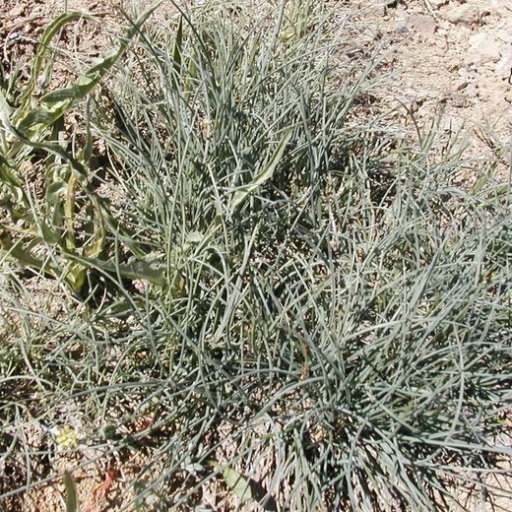
Often called the "Blue Bunchgrass," Idaho Fescue is a quintessential native of the American West. It forms elegant, rounded mounds of fine-textured foliage that look like silver fountains swaying in the breeze. Unlike many thirsty ornamental grasses, this resilient beauty thrives on neglect, holding down the soil and providing a shimmering backdrop for colorful wildflowers.
🔍 How to Identify
- 🌿 The Foliage: Very narrow, thread-like leaves that grow in tight, dense tufts, often reaching 12 to 14 inches in height.
- 🎨 The Color: Depending on the variety, the color ranges from a deep forest green to a striking, glaucous silver-blue.
- 🌾 The Blooms: Slender flowering stalks (panicles) rise well above the foliage in early summer, turning a soft, golden tan as they mature.
🏡 In Your Garden
- 🏜️ Drought Resilience: This is a "water-wise" champion. Once established, it survives harsh summers by entering a semi-dormant state, waiting patiently for the cool rains of autumn to arrive.
- 🌱 Root Depth: It develops a deep, fibrous root system. This makes it a perfect choice for gardeners looking to control erosion on slopes or stabilizing sandy soil.
- ✂️ Hands-Off Approach: Idaho Fescue hates being over-manicured. Avoid heavy pruning or "mowing" the clumps; simply "comb" out the dead blades with your fingers in early spring to refresh its appearance.
⚠️ Safety & Toxicity
- 🐾 Pet Friendly: This plant is considered non-toxic to dogs, cats, and horses. In fact, it is a primary forage grass for deer and elk in the wild.
- 👶 Safe for Kids: With no thorns, sharp edges, or irritating saps, it is a safe and tactile addition to any family sensory garden.
✨ Fun Fact
Idaho Fescue is a "cool-season" grass, meaning it does almost all of its growing in the chilly months of spring and fall. When the scorching heat of July hits, the plant essentially takes a "siesta" to conserve energy!

Detailed Care Instructions
To grow Festuca idahoensis, also known as Idaho fescue, you can follow these steps:
- Choose the right location: Idaho fescue prefers full sun to partial shade. Ensure that the area has well-draining soil.
- Prepare the soil: Remove any weeds or grass from the area where you plan to grow the plant. Dig the soil to a depth of 6-8 inches and incorporate organic matter, such as compost, to improve its quality.
- Sow the seeds: Scatter the seeds evenly over the prepared soil. You can mix them with sand to make it easier to distribute them evenly.
- Lightly cover the seeds: Use a rake or gently press them into the soil, ensuring they are not buried too deep. Idaho fescue seeds are best sown on the surface and require light to germinate.
- Water the seeds: After sowing, water the area gently. Keep the soil consistently moist but not soggy until the seeds germinate, which usually takes around 2-3 weeks.
- Care for the growing plants: Once the seedlings emerge, thin them to provide enough space for each plant to grow. Space them about 12-18 inches apart. Water the plants regularly, especially during hot and dry periods.
- Mulch the soil: Apply a layer of organic mulch around the plants to help retain moisture and suppress weed growth.
- Prune and maintain: Idaho fescue is a relatively low-maintenance plant. However, you can prune the plant in early spring to remove any dead or damaged foliage.
- Monitor for pests and diseases: Keep an eye out for common pests like aphids or grasshoppers and take necessary actions to control infestations. Idaho fescue is generally resistant to most diseases.
By following these steps, you can successfully grow Festuca idahoensis and enjoy its attractive, fine-textured foliage in your garden.

Place in a bright room that is sun drenched almost all day. Or directly in a south-facing window.

To water this particular type of plant, it is important to ensure that the soil is moist but not waterlogged. The plant should be watered deeply and infrequently, allowing the soil to dry out slightly between waterings. It is also important to avoid getting water on the leaves of the plant, as this can promote disease. Watering should be done in the early morning or late afternoon, and care should be taken to avoid over-watering, as this can lead to root rot and other problems. Ultimately, the best way to determine when and how much to water this plant is to monitor the soil moisture level and adjust watering accordingly.
To fertilize this plant, use a balanced, slow-release granular fertilizer with an NPK ratio of 10-10-10. Apply the fertilizer in early spring, before new growth appears, and again in mid-summer. Make sure to water the plant thoroughly after fertilizing. Avoid applying too much fertilizer, as this can burn the plant's roots and harm its growth. Follow the manufacturer's instructions for application rates and timing.
The Festuca Idahoensis plant grows best in a well-draining soil that is rich in nutrients. It prefers soil that is slightly acidic and has a pH level between 5.5 and 6.5. The soil should be loose and crumbly, allowing for good air circulation and water drainage. It is best to use a soil that is a mixture of sand, loam, and peat moss, as this will provide the optimal environment for the plant to thrive. Additionally, it is important to avoid using heavy soils or soils with a high level of clay content, as they may cause waterlogging and root rot. A balanced fertilizer can be added to the soil during planting to provide additional nutrients for the plant.
To propagate this particular plant, one can divide its clumps during the autumn season. It is ideal to cut the dead leaves and roots, clean the plant, and separate the clumps carefully using a sharp tool. The separated clumps must be replanted and watered well. The plant prefers well-drained soil and full sun but can tolerate partial shade. Propagation through seed is also possible, but it requires proper seed collecting and storage techniques to ensure high germination rates. It is essential to plant the seeds during the fall season to ensure dormancy and to stratify the seed for better germination. The seed should be sown ¼ inch deep and spaced properly, and it should be covered with soil and watered. The seedlings can be transplanted after 6-8 weeks. Additionally, Division and seed propagation are two feasible methods for propagating the plant.
Common pests of the idaho fescue include Thrips. Make a habit of checking your idaho fescue frequently for pests so that any infestations can be caught and managed early.








