Plant Overview
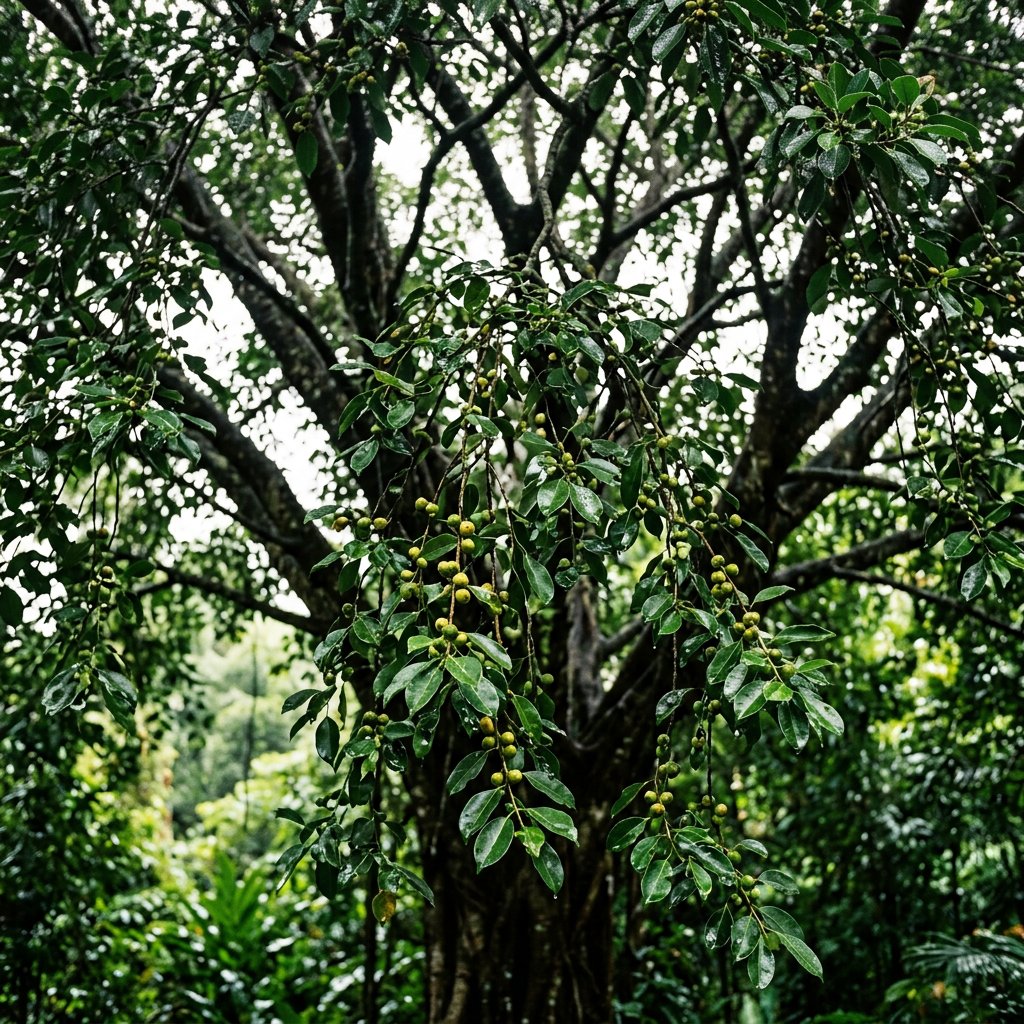
The Weeping Fig is the ultimate "statuesque" houseplant, beloved for its graceful, arching branches and glossy canopy. In its native Southeast Asian jungles, it can grow into a massive forest giant, but in our homes, it remains a refined, if slightly dramatic, companion. Often called the "Benjamin Fig," it has earned a reputation for being a bit of a diva, famously dropping its leaves at the slightest hint of change.
🔍 How to Identify
- 🍃 Leaf Shape: Small, oval-shaped leaves with a very sharp, pointed tip known as a "drip tip," which evolved to shed tropical rainwater quickly.
- 🪵 Bark Texture: Smooth, light-gray bark that is relatively thin; in many nurseries, the flexible young stems are often braided together for a decorative, sculptural look.
- 🌿 Growth Habit: A dense, evergreen canopy with branches that naturally "weep" or droop downward, creating a soft and elegant silhouette.
🏡 In Your Garden
- 🚫 The "No-Move" Rule: This plant is notorious for dropping its leaves if it is moved even a few feet. It thrives on consistency; once you find a bright, indirect light spot, leave it there to avoid a "foliage tantrum."
- 🌬️ Draft Sensitivity: It hates sudden temperature shifts. Keep it away from air conditioners, heaters, or frequently opened front doors, as a blast of cold air can cause instant leaf loss.
- 💧 Watering Nuance: Unlike some hardier ficus varieties, the Benjamina prefers to stay slightly moist but never soggy. It hates "wet feet," so ensure the pot has excellent drainage to prevent root rot.
⚠️ Safety & Toxicity
- 🐾 Toxic to Pets: It is considered mildly to moderately toxic to cats and dogs. If the leaves are chewed, the sap can cause oral irritation, drooling, and vomiting.
- 🧤 Skin Irritation: The plant contains a milky white sap (latex) that can cause skin rashes or "ficus dermatitis" in humans, especially those with pre-existing latex allergies.
✨ Fun Fact
The Weeping Fig is a champion of clean air! It was a star performer in NASA’s Clean Air Study, proving its ability to filter common indoor toxins like formaldehyde, xylene, and toluene from the atmosphere.

Detailed Care Instructions
| Color | Red |
| Soil Ph | 6.0 To 6.5; Slightly Acidic To Neutral |
| Humidity | High |
| Lighting | Part Sun |
| Toxicity | Poisonous |
| Soil Type | Rich, Fast Draining |
| Bloom Time | Rarely Flowers Indoors |
| Difficulty | Medium |
| Plant Type | Evergreen Tree Usually Grown As A Houseplant |
| Hibernation | Cold Period |
| Mature Size | 3 To 6 Feet Tall When Grown Indoors; Up To 60 Feet Outdoors |
| Native Area | India, Southeast Asia, Northern Australia |
| Temperature | 16°C - 27°C |
| Hardiness Zones | 10 To 11, Usda |
Here are some tips for growing a Ficus Benjamina plant:
- Choosing the right location: Ficus Benjamina thrives in bright, indirect light. Place your plant near a window where it can receive bright, filtered sunlight. Avoid placing it in direct sunlight, as it can scorch the leaves.
- Temperature and humidity: Ficus Benjamina prefers warm temperatures between 60-75°F (15-24°C). It also appreciates high humidity levels. If the air is dry, you can increase humidity by misting the leaves with water or placing a humidifier nearby.
- Watering: Water your Ficus Benjamina thoroughly when the top inch of soil feels dry. Ensure that excess water drains from the pot to prevent root rot. Avoid overwatering or letting the plant sit in standing water, as it can lead to issues.
- Soil and potting: Use well-draining soil for your Ficus Benjamina. A mix of regular potting soil, perlite, and sand works well. Repot the plant every 1-2 years, or when it becomes root-bound, to promote healthy growth.
- Fertilizing: Feed your Ficus Benjamina with a balanced, water-soluble fertilizer every 2-4 weeks during the growing season (spring and summer). Follow the instructions on the fertilizer packaging for proper dosage.
- Pruning and shaping: Prune your Ficus Benjamina regularly to maintain its desired shape and size. Remove any dead, damaged, or overgrown branches. Be cautious when trimming as the sap can irritate the skin.
- Pests and diseases: Keep an eye out for pests such as spider mites, scale insects, and mealybugs. Regularly inspect the plant for any signs of infestation, and treat them promptly with appropriate insecticides or by wiping the leaves with a damp cloth.
- Rest period: Ficus Benjamina may enter a rest period during winter when growth slows down. Reduce watering and fertilizing during this period, but ensure the plant doesn't completely dry out.
Remember to monitor your plant's growth and adjust care accordingly. With proper attention, your Ficus Benjamina should thrive and grow beautifully.

Place in a window with dappled sun or a spot in the middle of a room. Or directly in a window facing west or east.

To water this type of plant, it is important to thoroughly moisten the entire root ball. Allow the top inch of soil to dry before watering again, as overwatering can lead to root rot. Watering should be adjusted according to the temperature and humidity in the environment, as well as the size of the plant and size of its container. When watering, it is best to avoid getting water on the leaves as this can cause leaf spotting and pests. It is important to note that this plant prefers slightly acidic soil, so using water with a high alkaline content or hard water may affect its growth.
For this particular species of plant, it is recommended to fertilize in the spring and summer months with a balanced, water-soluble fertilizer every two to four weeks. Use a diluted solution of the fertilizer, following the instructions provided on the packaging. Avoid fertilizing during the fall and winter months, as the plant's growth slows during this time. Additionally, make sure to water the plant thoroughly before and after fertilizing to prevent fertilizer burn.
For a certain plant species belonging to the Moraceae family, it is recommended to use well-draining soil that allows for proper airflow to the roots. The soil should be slightly acidic, with a pH level ranging from 6.0 to 6.5. It should also have good moisture retention capability, without being too waterlogged. A mixture of peat moss, perlite, and sand in equal parts is often recommended. However, depending on the plant's specific needs, other soil components such as bark, vermiculite, and coconut coir can also be added. It is advisable to use a fertilizer that has balanced N-P-K (nitrogen, phosphorus, and potassium) ratios, as this plant species is sensitive to high levels of nitrogen. Overall, the soil should provide the necessary nutrients, drainage, and aeration to support healthy root growth and development.
Propagation of this plant can be done through stem cuttings. Select a healthy and mature stem and cut it from the parent plant at an angle. Remove the lower leaves from the stem and dip it into rooting hormone powder. Place the cutting into a pot filled with a well-draining soil mix. Keep the soil moist and place the pot in a warm and humid location with indirect sunlight. After a few weeks, the cutting should start to root and new leaves will emerge. Once the new plant has established roots and a few sets of leaves, it can be transferred to a larger pot or planted in the ground outside.
Common pests of the weeping fig include Scale insect, mealybugs, spider mites, thrips. Make a habit of checking your weeping fig frequently for pests so that any infestations can be caught and managed early.








