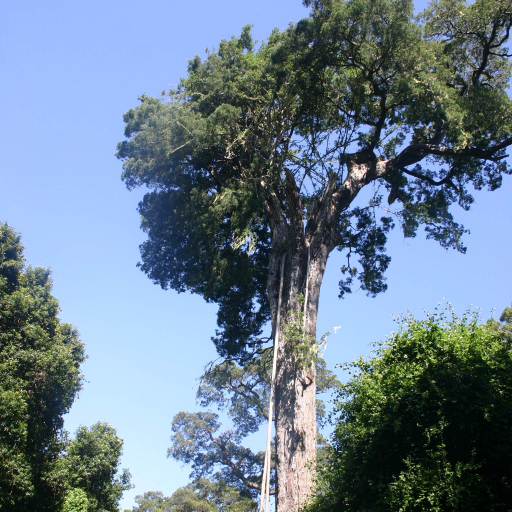
Plant Overview
Often referred to as the Veld Fig or the Scrambling Fig, this South African native is a master of adaptation. Whether it’s clinging to a rocky cliffside, growing as a sturdy shrub, or starting its life high in the canopy as an epiphyte, the Veld Fig is a survivor. In the world of horticulture, it is a beloved "holy grail" for bonsai enthusiasts due to its naturally small leaves and dramatic, gnarled root systems.
🔍 How to Identify
- 🍃 Small, Leathery Leaves: The foliage is dark green and elliptical, usually much smaller than its cousin, the Ficus elastica, making it look like a miniature version of a giant tree.
- 🪵 Aerial "Beard" Roots: As it matures, it often drops thin, hanging roots from its branches that eventually thicken into woody pillars upon reaching the soil.
- 🍒 Stalkless Fruits: It produces tiny, pea-sized figs that grow directly on the stems (sessile) rather than on stalks; these turn from green to a yellowish-red when ripe.
🏡 In Your Garden
- 🪴 Bonsai Superstar: Because it responds exceptionally well to pruning and naturally develops a thick, "ancient-looking" trunk quickly, it is perfect for indoor or outdoor miniature gardening.
- 🧗 The "Scrambler" Habit: Unlike upright trees, this species loves to sprawl. If planted near a wall or a rockery, it will "scramble" over the surface, using its roots to find every available crevice.
- 💧 Drought Resistance: Originating from the drier coastal forests of Southern Africa, it is much more tolerant of missed waterings than many other tropical figs.
⚠️ Safety & Toxicity
- 🧪 Milky Sap: Like most members of the Moraceae family, the stems contain a white, milky latex. This sap can cause skin irritation or "phytophototoxicity" in sensitive individuals.
- 🐾 Pet Safety: The leaves and sap are mildly toxic to cats and dogs if ingested, often leading to gastrointestinal upset or drooling. It is best kept on a high shelf away from curious nibblers.
✨ Fun Fact
The Veld Fig has a "secret partner." It can only be pollinated by a specific, tiny species of wasp (Elisabethiella bieskeae). The wasp enters the fig through a microscopic hole to lay eggs, and in exchange for a nursery, it ensures the tree can produce seeds!

Detailed Care Instructions








