Plant Overview
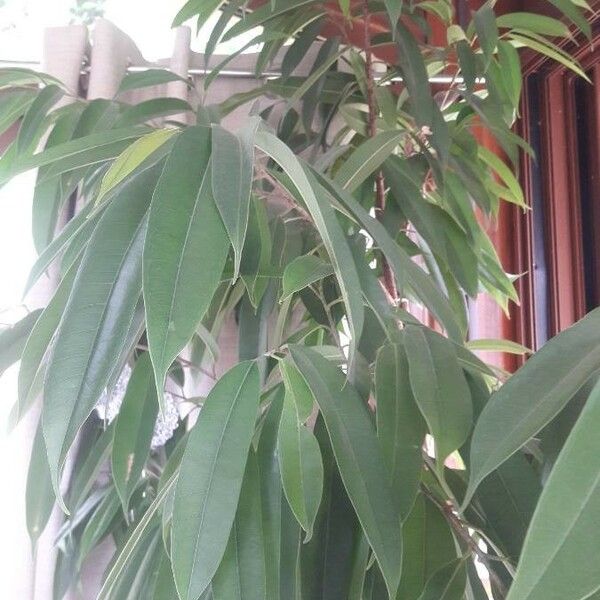
Often called the "Alii Fig" or "Narrow-Leaf Fig," this elegant indoor tree is the sophisticated, more laid-back cousin of the notoriously temperamental Weeping Fig. With its long, gracefully drooping leaves, it brings a serene, willow-like aesthetic to any room. It is highly prized by interior designers for its architectural silhouette and its ability to maintain its foliage even when conditions aren't perfect.
🔍 How to Identify
- 🍃 Leaf Shape: Features long, slender, lance-shaped leaves that can reach up to 10 inches in length. They are much narrower than a standard fig leaf and have a glossy, olive-green finish.
- 🪵 The Trunk: The bark is a smooth, silvery-gray. In nurseries, you will often find them with multiple trunks braided together or trained into a "standard" (a single clean trunk with a lollipop-shaped canopy).
- 🌿 Growth Habit: It has a distinctively pendulous look. The branches arch slightly downward under the weight of the dense foliage, creating a cascading fountain effect.
🏡 In Your Garden
- ☀️ Light Nuances: While most Ficus species throw a "tantrum" (drop leaves) if the light isn't perfect, the Longifolia is much more forgiving. It thrives in bright, indirect light but can adapt to medium-light corners without losing its lush look.
- 🚫 The "No-Move" Rule: Even though it is hardy, it still possesses the Ficus family trait of hating change. Once you find a spot where it is thriving, avoid moving it to a different room. Sudden changes in light or temperature can cause the plant to shed leaves as it tries to acclimate.
- 🪴 Soil & Drainage: It prefers to stay slightly moist but never soggy. It is prone to root rot if left in standing water, so using a well-draining peat-based mix is essential for its long-term health.
⚠️ Safety & Toxicity
- 🐱 Toxic to Pets: The plant contains a milky white sap (latex) that is toxic to cats and dogs. If ingested, it can cause vomiting, drooling, and oral irritation.
- 🧤 Skin Irritation: This same sap can cause itchy skin rashes or "ficus dermatitis" in humans. It is always a good idea to wear gloves when pruning or cleaning up snapped leaves.
✨ Fun Fact
👑 The most popular cultivar of this plant, 'Alii', gets its name from the Hawaiian word for "royalty" or "chief." It was originally developed and popularized in Hawaii before becoming a favorite for royal-looking interior spaces worldwide!

Detailed Care Instructions
To grow a Ficus Longifolia plant, also known as the Alii Fig or Fiddle Leaf Fig, follow these steps:
- Choose a suitable location: Ficus Longifolia plants thrive in bright, indirect sunlight. Find a spot in your home with plenty of natural light but avoid direct sunlight, as it can scorch the leaves.
- Determine the pot and soil: Select a well-draining pot with drainage holes to prevent waterlogging. Choose a potting mix rich in organic matter, such as a combination of peat moss, perlite, and compost, or use a specialized indoor plant potting mix.
- Planting: Place the plant in the pot and fill it with the potting mix, ensuring that the roots are covered and the plant sits at the same depth as it was in its previous container.
- Watering: Water the Ficus Longifolia thoroughly, allowing excess water to drain out of the pot. Wait until the top inch of soil feels dry before watering again. Overwatering can cause root rot, so be cautious not to let the plant sit in standing water.
- Humidity: Ficus Longifolia plants appreciate humidity. You can increase humidity by misting the leaves with water or placing a tray filled with water near the plant to allow for evaporation.
- Temperature and air circulation: These plants prefer temperatures between 60-75°F (15-24°C) and require good air circulation. Avoid placing them in drafty areas or near air conditioning vents.
- Fertilizing: Ficus Longifolia plants benefit from regular fertilization during the growing season (spring and summer). Use a balanced, water-soluble fertilizer once every 4-6 weeks, following the instructions on the product label.
- Pruning: Trim any yellowing or damaged leaves with clean, sharp pruning shears. Regular pruning can help promote bushier growth and control the plant's size.
- Repotting: Ficus Longifolia plants may need to be repotted every 1-2 years as they outgrow their current container. Use a slightly larger pot and fresh potting mix when repotting.
- Pest control: Keep an eye out for common houseplant pests like aphids, mealybugs, or spider mites. If you notice signs of infestation, use an organic insecticidal soap or horticultural oil to treat the affected plant parts.
Remember to monitor your plant regularly for signs of stress or pests and make any necessary adjustments to its care regimen. With proper attention and care, your Ficus Longifolia should grow and thrive.
To water this plant, ensure that the soil is completely dry before watering. Stick your finger a few inches deep into the soil to check if it's dry. If it is, water the plant until the water comes out of the drainage holes at the bottom of the pot. Ensure that the soil has drained well and is not waterlogged as this can lead to root rot. Watering frequency will depend on factors such as the size of the pot, temperature, humidity, and light conditions. Keep a consistent watering schedule to avoid over or under watering. It is recommended to use room temperature water to avoid shocking the plant.
To fertilize a Ficus Longifolia plant, you should use a balanced, water-soluble fertilizer with a ratio of 20-20-20. Dilute the fertilizer according to the manufacturer's instructions and apply it to the soil every two weeks during the growing season (spring and summer). Reduce the frequency to once a month during fall and winter months. Make sure to water the plant thoroughly before and after fertilizing, and avoid getting fertilizer on the leaves.
The best soil to use for Ficus Longifolia plant should be well-drained and rich in nutrients. It should have a mix of organic matter, such as peat moss or compost, and a sandy or loamy texture. This type of soil will allow for proper water drainage while also providing the plant with the necessary nutrients to thrive. It's important to avoid using heavy clay soil, as it can become waterlogged and lead to root rot. Additionally, the soil should be slightly acidic, with a pH between 6.0 and 7.5. Overall, a soil that is nutrient-rich, well-draining, and slightly acidic is ideal for Ficus Longifolia plants.
To propagate this plant, you will need to take stem cuttings from mature and healthy plants. The cuttings should be about 6-8 inches long and taken from a branch with several nodes. Remove the leaves from the bottom 2-3 nodes of the cutting, leaving only a few at the top.
Next, dip the cut end of the stem into rooting hormone powder to encourage root development. Then, plant the cutting into well-draining soil mix, ensuring that the lower nodes are buried into the soil.
Place the pot in a bright, but indirect light and keep the soil moist. Covering the pot with a plastic bag can help maintain moisture levels. Within a few weeks, roots should start to develop and new growth should appear.
Once the plant has established roots and new growth, it can be gradually acclimated to a brighter location and the plastic bag can be removed. Continue to water as needed and monitor the new plant for any signs of stress.








