Plant Overview
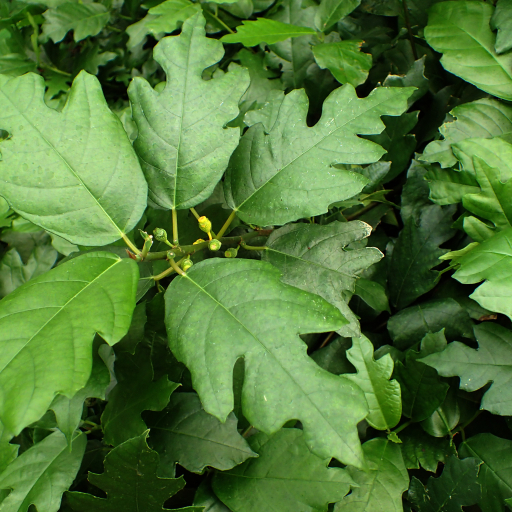
Often called the Oakleaf Fig, Ficus montana is a master of disguise in the plant world. Unlike its towering cousins like the Fiddle Leaf Fig, this Southeast Asian native stays low to the ground, creeping and trailing like ivy. Its unique foliage often leads beginners to mistake it for a miniature oak tree or an exotic vine, making it a favorite for those seeking something "different" for their indoor jungle.
🔍 How to Identify
- 🍃 Lobed Foliage: The most striking feature is the deeply indented leaves that strongly resemble northern red oaks, typically growing 2–4 inches long.
- 🏜️ Sandpaper Texture: The leaves have a distinct, rough, and slightly "toothy" feel on both the top and bottom surfaces, a trait common to several wild fig species.
- 🪵 Sprawling Habit: It produces thin, wiry, woody stems that prefer to scramble horizontally or trail downward rather than growing upright like a tree.
🏡 In Your Garden
- ☁️ Terrarium Superstar: Because it thrives in high humidity and constant warmth, this plant is an elite choice for closed terrariums or "glass gardens" where other plants might rot.
- 💧 Consistency is Key: Unlike thicker-leaved figs, the Oakleaf Fig has relatively thin leaves that wilt quickly if the soil dries out completely. It prefers to stay "evenly moist," similar to the care required for many ferns.
- 🧗 Climbing Ambition: While it looks great in a hanging basket, providing a moss pole or a piece of cork bark will trigger its natural instinct to climb, causing the leaves to grow slightly larger.
⚠️ Safety & Toxicity
- 🐾 Toxic to Pets: Like most members of the Ficus genus, this plant is toxic to cats and dogs. Ingestion can lead to drooling, vomiting, and mouth irritation.
- 🧪 Latex Sap: The stems contain a milky white sap (latex). If you get this on your skin during pruning, it can cause a red, itchy rash, especially for those with a latex allergy. It is best to wear gloves when trimming.
✨ Fun Fact
The specific epithet montana means "from the mountains," but its texture is its most famous trait. In its native regions, the leaves are so abrasive that they have historically been used as a natural, biodegradable sandpaper for polishing wood and cleaning kitchen utensils!

Detailed Care Instructions
To grow Ficus Montana, also known as the mountain fig, follow these steps:
- Choose a suitable location: Ficus Montana prefers bright, indirect sunlight. Select a spot that receives partial shade or filtered sunlight throughout the day.
- Soil and pot selection: Use well-draining soil enriched with organic matter such as peat moss or compost. Select a pot with good drainage holes to prevent waterlogging.
- Planting: Dig a hole in the soil and place the Ficus Montana plant inside, ensuring that the top of its root ball is level with or slightly above the soil surface. Gently pat the soil around the plant to stabilize it.
- Watering: Ficus Montana prefers evenly moist soil, so water it regularly, allowing the top inch of soil to dry out between waterings. Avoid overwatering, as it can lead to root rot.
- Fertilization: Feed your Ficus Montana during the growing season (spring and summer) with a balanced, water-soluble fertilizer every 4-6 weeks. Follow the package instructions for proper dilution and application.
- Pruning: Prune Ficus Montana to maintain its desired shape and size. Remove any dead or diseased branches, and trim back excessive growth to encourage bushier growth.
- Temperature and humidity: Ficus Montana prefers average room temperatures between 65-75°F (18-24°C). It also appreciates moderately high humidity, so misting the foliage occasionally can create a more favorable environment.
- Pests and diseases: Keep an eye out for common houseplant pests like spider mites, aphids, and mealybugs. Treat infestations promptly with organic or chemical insecticides. Also, watch for signs of fungal diseases and use proper fungicides if necessary.
- Repotting: As your Ficus Montana grows, it may require repotting every 1-2 years to accommodate its increasing root size. Choose a pot that is one size larger and use fresh potting soil during the repotting process.
Remember that consistent care, suitable lighting conditions, proper watering, and regular feeding are key to successfully growing Ficus Montana.
To water this plant, you should first check the soil moisture by sticking your finger about an inch into the soil to see if it feels dry. If it's dry, it's time to water.
Use room temperature water and pour it slowly onto the soil until it starts to drain out of the drainage holes. Make sure to water evenly around the plant to ensure all roots get the moisture they need.
Avoid allowing the plant to sit in standing water, as this can lead to root rot. It's best to water early in the day to give the soil time to dry out before nightfall.
During colder temperatures and lower light conditions, you'll want to reduce the amount of watering as the plant will require less moisture. Always monitor the moisture level of the soil to avoid over-watering or under-watering your plant.
Here are fertilizing instructions for the plant in question:
- Use a balanced fertilizer with equal amounts of nitrogen, phosphorus, and potassium.
- Apply fertilizer every two weeks during the growing season (spring and summer).
- Dilute the fertilizer to half strength before application.
- Water the plant thoroughly before and after fertilizing to prevent root burn.
- Avoid fertilizing during the dormancy period (fall and winter).
- Watch for signs of over-fertilization such as leaf burn or yellowing.
- Adjust the frequency and strength of fertilization according to the plant's response and growth rate.
Ficus Montana plant requires a well-draining soil mix that is rich in organic matter. The soil should have a pH level between 6.0 and 7.5. The ideal soil mix should contain sand, perlite, peat moss, and vermiculite in equal ratios. Additionally, the soil should be kept moist, but not waterlogged, and the plant should be fertilized every two weeks during the growing season with a balanced fertilizer. It is important to ensure that the soil is kept free of debris and weeds to promote healthy growth and prevent disease.
Propagation of this plant can be achieved through various methods. One of the most common methods is through stem cuttings. Choose a healthy stem with at least three nodes and remove the bottom leaves. Dip the cut end in rooting hormone and plant it in well-draining soil. Keep the soil moist and place the cutting in a bright but indirect light until it develops roots.
Another method of propagation is through air layering. This involves wrapping a portion of the stem with moss and plastic wrap to encourage root growth. Once the roots have formed, cut the stem below the air-layered portion and plant it in soil.
The plant can also be propagated by seed, although this method is less common. Sow the seeds in well-draining soil and cover them lightly. Keep the soil moist and place the pot in a warm location until the seeds germinate.
In all propagation methods, it is important to keep the young plant in a warm and humid environment until it establishes well. Gradually expose it to more light and lower humidity to acclimatize it to its new growing conditions.








