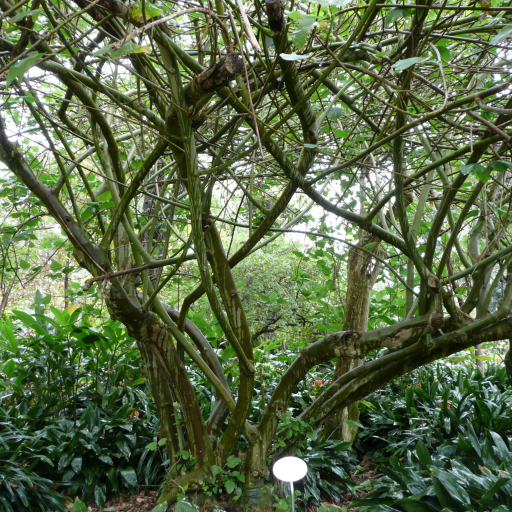
Plant Overview
The Ficus palmata, widely known as the Punjab Fig or Wild Himalayan Fig, is the rugged, resilient cousin of the common edible fig. Often found clinging to rocky hillsides and riverbanks across South Asia and the Middle East, this plant is a master of survival. It bridges the gap between a decorative ornamental and a hardy fruit-bearer, beloved for its ability to thrive where other trees might falter.
🔍 How to Identify
- 🍃 The Foliage: The leaves are usually heart-shaped or deeply "palmate" (lobed like a hand), featuring a rough, sandpaper-like texture on the upper surface and softer, velvety hairs underneath.
- 🫐 The Fruit: It produces small, succulent figs that transition from green to a deep purple or midnight black when fully ripe. They are much smaller than commercial figs but packed with flavor.
- 🪵 Growth Habit: This species typically grows as a large shrub or a small, spreading tree with smooth, greyish-brown bark that becomes beautifully gnarled with age.
🏡 In Your Garden
- ☀️ Sun Seeker: This fig is a sun-worshipper. To encourage fruit production and prevent "leggy" growth, it needs the brightest spot in your garden or a very sunny south-facing window if kept in a large container.
- 🏔️ Tough Roots: Because it naturally grows in mountain crevices, it is incredibly drought-tolerant once established. However, it hates "wet feet"; ensure your soil is well-draining, as standing water can quickly lead to root rot.
- ✂️ Pruning Tolerance: It responds very well to pruning, making it a favorite for bonsai enthusiasts or gardeners looking to maintain a specific shape in smaller spaces.
⚠️ Safety & Toxicity
- 🧴 Latex Warning: Like most members of the Ficus family, the stems and leaves contain a milky white sap (latex). This can cause skin irritation or "phytophotodermatitis" (a rash triggered by sunlight) in sensitive individuals.
- 🐾 Pet Safety: While the ripe fruit is generally considered safe, the leaves and sap are mildly toxic to cats and dogs. Ingestion can lead to drooling, vomiting, or mouth irritation.
✨ Fun Fact
🧬 The Ultimate Rootstock: Because Ficus palmata is so resistant to environmental stress and soil-borne diseases, it is frequently used by horticulturists as "rootstock." This means the branches of more delicate, commercially popular figs are often grafted onto the hardy trunk of a Punjab Fig to help them survive in difficult climates!

Detailed Care Instructions
To grow Ficus palmata, also known as the Namaqua fig, you can follow these steps:
- Climate: Ficus palmata is a subtropical plant that thrives in hot and dry conditions. It is native to South Africa and Namibia, so make sure your climate is warm with mild winters.
- Soil: The plant prefers well-draining soil. A mixture of sandy soil and compost will work well. Avoid heavy clayey soils that retain excess moisture.
- Sunlight: Ficus palmata needs full sunlight exposure to thrive. Choose a spot in your garden that receives at least 6-8 hours of direct sunlight daily.
- Watering: While the plant is drought-tolerant, ensure that the soil does not completely dry out. Water it moderately, allowing the top few inches of soil to dry between waterings. Avoid waterlogged conditions as it can cause root rot.
- Fertilizer: Apply a balanced, slow-release fertilizer during the spring and summer months to promote growth. Follow the instructions on the fertilizer package for the appropriate amount to use.
- Pruning: Regular pruning will help maintain a desired shape and encourage new growth. Prune any dead or damaged branches and remove any suckers that emerge from the base of the plant.
- Propagation: Ficus palmata can be propagated through stem cuttings. Take a 6-8 inch cutting from a healthy plant, remove the lower leaves, and plant it in a pot filled with a well-draining potting mix. Place the pot in a warm and bright area, keeping the soil consistently moist until the cutting roots.
- Pests and Diseases: Keep an eye out for common pests like aphids and scale insects. Treat any infestations promptly with insecticidal soap or a natural solution like neem oil. Proper air circulation and good hygiene practices will help prevent any diseases.
Remember that Ficus palmata is a slow-growing tree, so be patient with its growth. With consistent care and the right growing conditions, it will thrive and add beauty to your garden.
- Let the soil dry out partially between waterings. Check the moisture level of the soil by sticking your finger about an inch into the soil. If it feels dry, it's time to water.
- Use room temperature water to avoid shocking the plant's root system.
- Water the plant thoroughly until water begins to drain out of the bottom of the pot. This helps to ensure that the root system gets enough water and also flushes out any potential buildup of salts or minerals in the soil.
- Avoid overwatering as this can lead to root rot. Always make sure the soil has partially dried out before watering again.
- Consider using a pot with drainage holes to allow excess water to escape and prevent water from sitting in the bottom of the pot.
- During periods of dormancy or reduced growth, adjust your watering schedule accordingly as the plant will require less water.
- Start by preparing a well-draining soil mix with organic matter and perlite.
- Water the plant thoroughly before fertilizing to avoid salt burn.
- Apply a balanced fertilizer with equal amounts of nitrogen, phosphorus, and potassium. You can use a liquid or slow-release granular fertilizer.
- Follow the packaging instructions for dosing and frequency of application. In general, fertilize every two to four weeks during the growing season (spring and summer).
- Be careful not to over-fertilize, as this can cause root burn and damage the plant.
- Water the plant well after fertilizing to ensure the nutrients penetrate the soil and reach the roots.
- Monitor the plant regularly for any signs of nutrient deficiency or excess, such as yellowing or stunted growth.
- Adjust the fertilizing schedule and dosage accordingly based on the plant's individual needs and response.
For Ficus Palmata plants, it is recommended to use well-draining soil with a pH level of 6 to 7.5. The soil should have good fertility and moisture retention, but also allow for adequate drainage to prevent waterlogged roots. A soil mix composed of 50% organic matter such as compost or peat moss and 50% sand or perlite is suitable for these plants. Additionally, adding a slow-release fertilizer to the soil can help provide necessary nutrients for healthy growth. It is important to avoid using soil that is too heavy or clay-like, as this can lead to root rot for Ficus Palmata plants.
To propagate this plant, you will need to start by taking a small stem or cutting from the parent plant. Choose a healthy stem that is about 4-6 inches long and has several leaves attached. Using clean, sharp scissors or pruning shears, make a clean cut just below a node, where a leaf or leaf bud attaches to the stem.
Remove any leaves from the lower half of the stem, leaving only a few near the top. Dip the cut end of the stem into rooting hormone powder, tapping off any excess. This will help encourage the stem to develop new roots.
Fill a small container with well-draining potting mix or a mix of coarse sand and peat moss. Moisten the mix slightly, but do not make it too wet. Gently push the stem cutting into the mix, burying it about half an inch deep.
Place the container in a warm, bright area, but not in direct sunlight. Cover the cutting with a plastic bag or clear plastic container to create a humid environment. Mist the plant and the inside of the container with water as needed to keep the soil moist. Check for root growth after a few weeks by gently tugging on the stem. If you feel resistance, roots have formed and you can remove the plastic covering.
Once the cutting has developed a root system, move it to a larger pot with fresh potting soil. Water regularly, but be sure to let the soil dry out slightly before watering again. Fertilize with a balanced liquid fertilizer once a month during the growing season to encourage healthy growth. With proper care, your propagated plant will mature into a beautiful specimen plant.








