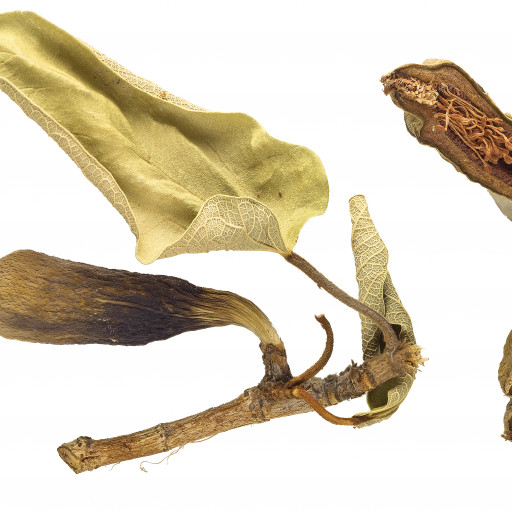
Plant Overview
Often called the "Creeping Fig," the Ficus repens (botanically known as Ficus pumila) is nature’s own living wallpaper. This vigorous climber is a master of transformation, starting its life with tiny, delicate leaves before "growing up" into a robust, woody vine. Originating from East Asia, it is beloved by indoor gardeners for its ability to cascade elegantly from hanging baskets or scale a moss pole with relentless determination.
🔍 How to Identify
- 🌿 Juvenile Leaves: Look for tiny, heart-shaped leaves that are thin and paper-like. They usually grow in a dense, overlapping pattern that creates a lush "carpet" effect.
- 🧗 Aerial Roots: The stems are equipped with powerful, sticky aerial roots that act like natural glue, allowing the plant to cling to almost any surface, including brick, wood, and stone.
- 🍃 Adult Foliage: As the plant matures and reaches the top of its climbing surface, the leaves change dramatically. They become much larger, thicker, leathery, and more elliptical in shape.
🏡 In Your Garden & Home
- ✂️ Pruning is Essential: This plant is an aggressive grower. Without regular "haircuts," it can quickly overwhelm neighboring plants or even damage the mortar between bricks on outdoor walls.
- 💧 Thirst for Humidity: Unlike its cousin the Fiddle Leaf Fig, the Creeping Fig hates to dry out. It thrives in high humidity and will quickly turn crisp and brown if the air is too dry or if the soil stays parched for too long.
- 🌤️ Light Nuance: While it enjoys bright, indirect light, its thin juvenile leaves are highly susceptible to sunburn. If you notice bleached patches, it’s likely getting too much direct afternoon sun.
⚠️ Safety & Toxicity
- 🐾 Pet Warning: Like most members of the Ficus family, this plant is toxic to cats and dogs. If ingested, it can cause gastrointestinal upset and drooling.
- 🧴 Skin Irritation: The milky white sap (latex) found inside the stems contains enzymes that can cause skin irritation or "phytophotodermatitis" in sensitive individuals. It is best to wear gloves when pruning.
✨ Fun Fact
The Creeping Fig is a "dimorphic" plant, meaning it has two distinct life stages. For years, it can remain in its "juvenile" state with tiny leaves. It only produces its large "adult" leaves and fruit (hollow syconia, similar to edible figs) once it has climbed as high as it can go!

Detailed Care Instructions
To grow Ficus repens (creeping fig) plant, you can follow these steps:
- Choose an appropriate location: Ficus repens prefers indirect sunlight or partially shaded areas. It can be grown indoors or outdoors, but it should be protected from harsh direct sunlight.
- Select the right soil: Use well-draining soil that is rich in organic matter. Ficus repens prefers slightly acidic to neutral soil.
- Watering: Keep the soil evenly moist, but avoid overwatering. Water the plant when the top inch of soil feels dry. Make sure the plant is not sitting in standing water as it may cause root rot.
- Provide support: Creeping fig is a climbing plant and needs support to grow vertically. You can provide a trellis, a moss pole, or any other support structure for it to cling onto.
- Pruning: Regular pruning helps to keep the plant compact and encourage new growth. Trim any leggy or straggly stems to maintain its shape. You can also trim it to control its growth and prevent it from becoming invasive.
- Fertilization: Apply a balanced, water-soluble fertilizer every two to four weeks during the growing season (spring and summer). Follow the instructions on the fertilizer package for the correct dosage.
- Propagation: Ficus repens can be propagated through stem cuttings. Take a 4-6 inch long cutting and remove the leaves from the lower half. Insert the cutting in moist potting soil or vermiculite, with the leafless portion buried in the soil. Keep the soil moist, and new roots will develop in a few weeks.
- Monitor for pests: Keep an eye out for common pests like aphids, spider mites, and scale insects. If you notice any infestation, treat the plant with an appropriate insecticide or use organic pest control methods.
Remember to research the specific needs of Ficus repens and adapt these general guidelines accordingly.

Place in a window with dappled sun or a spot in the middle of a room. Or directly in a window facing west or east.

The Ficus Repens plant prefers moderate watering and should be watered after the topsoil has dried up. Overwatering can lead to root rot, which is harmful to the plant. The watering frequency may vary depending on factors such as the temperature, humidity, and light intensity. The best way to ensure that the Ficus Repens plant is getting enough water is to check the topsoil regularly and water it when it feels dry. It is also important to use a well-draining soil mix that allows excess water to drain out. When watering, it is best to water the soil directly and avoid getting water on the leaves, as this can cause fungal diseases and pests. Additionally, if the plant is placed in a pot with a drainage hole, it is essential to ensure that the excess water drains out completely.
To fertilize this plant, mix a general-purpose liquid fertilizer with water at half-strength. Apply the solution directly to the soil around the plant, making sure not to get any on the leaves. Fertilize every two to four weeks during the growing season, and only once per month during the dormant period. It is important to always follow the recommended dosage and frequency on the fertilizer package. Over-fertilization can result in leaf burn, stunted growth, and other plant health problems.
Ficus Repens, a type of plant, performs best in well-drained soil that is rich in nutrients. The soil should not be too compact and should allow for good air circulation around the roots. A mixture of equal parts peat moss, sand, and loam is a good option for the plant. Additionally, the soil's pH level should be slightly acidic at around 6.0-7.0. It is also recommended to add organic matter to the soil to enhance its quality and nutrients. It is important to note that overwatering can lead to root rot, so it is crucial to let the soil dry out between watering intervals.
To propagate this species of plant, you will need to take a cutting from a healthy parent plant. The cutting should be around 4-6 inches long and have at least 2-3 leaves. Make sure to use a clean, sharp pair of scissors or pruning shears to avoid damaging the cutting.
Next, remove the leaves from the bottom half of the cutting, leaving just a few at the top. This will help the cutting direct its energy towards root growth instead of leaf production.
Dip the bottom end of the cutting into rooting hormone to encourage root growth. Then, place the cutting into a small container filled with well-draining potting soil. Water the soil until it is evenly moist and cover the container with a plastic bag to create a humid environment.
Keep the container in a bright, indirect light location and make sure to keep the soil moist. After a few weeks, gently tug on the cutting to test for root growth. If it has taken root and is stably anchored in the soil, you can remove the plastic bag and continue to care for the new plant as usual.
Common pests of the climbing fig include Scale insect, mealybugs, spider mites, thrips. Make a habit of checking your climbing fig frequently for pests so that any infestations can be caught and managed early.








