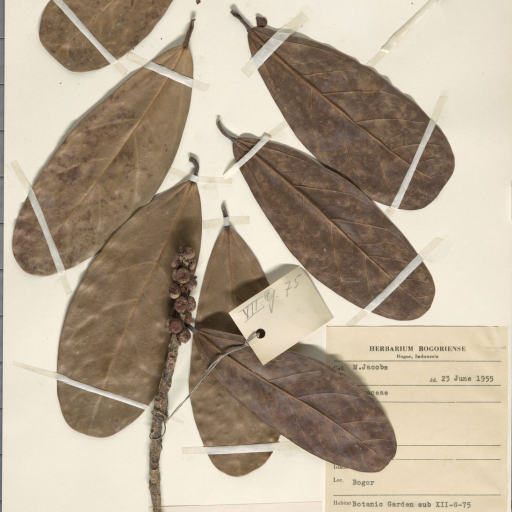
Plant Overview
Often called the "Ginseng Fig" or "Banyan Tree," the Ficus retusa is a miniature masterpiece of the plant world. Native to the humid tropical regions of Southeast Asia, it has become a staple for indoor gardeners because of its incredible resilience and dramatic, bulbous roots. Whether it’s styled as a tiny bonsai or allowed to grow into a lush indoor tree, it brings an ancient, weathered elegance to any room.
🔍 How to Identify
- 🍃 Glossy Foliage: Small, thick, and leathery oval leaves with a vibrant, deep-green finish and pointed tips.
- 🪵 The "Ginseng" Root: Characterized by swollen, fleshy roots that grow above the soil line, often resembling thick, twisted legs or a gnarled trunk.
- 🌫️ Smooth Bark: The bark is typically a sleek, light-gray color that may develop small horizontal "lenticels" (breathing pores) as the plant matures.
🏡 In Your Garden
- 🌤️ The "Drama" of Movement: This Ficus is famous for "pouting." If you move it to a new room or the temperature changes suddenly, it may drop its leaves in protest. This is a survival mechanism; with consistent light and water, it will usually sprout new leaves within a few weeks.
- 💧 Aerial Ambitions: In high-humidity environments, you might see thin, whisker-like roots growing from the branches. These are aerial roots looking for moisture. You can guide them into the soil to create a "pillar" effect or mist them to keep the plant happy.
- ✂️ Beginner's Bonsai: Because it grows quickly and has flexible branches, it is widely considered the best species for those learning the art of bonsai. It handles aggressive pruning better than almost any other indoor plant.
⚠️ Safety & Toxicity
- 🐾 Toxic to Pets: Ficus retusa is toxic to cats and dogs. If leaves are chewed or swallowed, it can cause drooling, vomiting, and skin irritation.
- 🧪 Latex Sap: The plant contains a milky white sap (latex). When pruning, be careful not to get this on your skin, as it can cause redness, itching, or a mild allergic reaction for those with sensitive skin.
✨ Fun Fact
In its natural habitat, the Ficus retusa can grow as a "strangler." It often starts life high up in the branches of another tree, eventually sending long roots down to the forest floor. Over time, these roots thicken and fuse together, completely surrounding and "strangling" the host tree to take its place in the canopy!

Detailed Care Instructions
| Soil Ph | Acid, Neutral |
| Humidity | Normal |
| Lighting | Full Sun |
| Toxicity | Toxic |
| Soil Type | Well-Drained |
| Difficulty | Medium |
| Plant Type | Tree, Evergreen |
| Native Area | Southeast Asia |
| Temperature | 15°C - 32°C |
| Sun Exposure | Full Sun |
| Hardiness Zones | 9-11 |
To grow a Ficus Retusa plant, also known as the Chinese Banyan or Ginseng Ficus, follow these steps:
- Choose a suitable planting container: Select a pot that is slightly larger than the existing root ball of the plant. It should have drainage holes to prevent waterlogging.
- Soil selection: Use well-draining soil, such as a mix of regular potting soil, perlite, and sand. This plant prefers slightly acidic soil with a pH level between 6 and 7.
- Positioning: Place the plant in an area where it can receive bright, indirect sunlight for at least 4-6 hours a day. Avoid placing it in direct sunlight, as it can scorch the leaves.
- Watering: Water the plant thoroughly, allowing the water to drain out from the bottom. Let the top inch of soil dry out before watering again. Be careful not to overwater, as this can lead to root rot.
- Humidity: Ficus Retusa prefers a higher humidity level. Mist the leaves regularly or place the pot on a tray filled with water and pebbles to increase humidity around the plant.
- Temperature: This plant thrives in warm temperatures between 60°F (15°C) and 75°F (24°C). Avoid exposing it to temperatures below 50°F (10°C).
- Fertilization: Feed the Ficus Retusa plant with a balanced houseplant fertilizer every 2-4 weeks during the growing season (spring and summer). Follow the instructions on the fertilizer package for the correct dosage.
- Pruning: Trim and shape the plant regularly to maintain its desired form. Prune any dead or yellow leaves to improve the plant's overall appearance.
- Repotting: Repot the plant every 2-3 years or when the roots become crowded. Choose a slightly larger pot for repotting and refresh the soil.
- Pest control: Monitor the plant for common pests like spider mites, mealybugs, and scale insects. Use organic or chemical insecticides as needed, following the instructions on the product label.
By following these care instructions, you can successfully grow a Ficus Retusa plant indoors.

Place in a window with dappled sun or a spot in the middle of a room. Or directly in a window facing west or east.

The proper way to water this plant is by checking the soil's moisture level first before watering. Insert your finger about an inch deep into the soil, if it feels dry, then it's time to water the plant. Fill the pot with water, allowing it to drain completely to ensure that the plant doesn't sit in stagnant water. Don't let the soil become completely dry between watering, as it can lead to root damage. The frequency of watering varies depending on the temperature and humidity level of your location, so it's always best to regularly check the soil's moisture level. Additionally, avoid getting water on the leaves, as it can lead to fungal infection or damage.
To fertilize this plant, use a balanced fertilizer with equal amounts of nitrogen, phosphorus, and potassium. Apply the fertilizer during the growing season, which is usually from spring to early fall. Dilute the fertilizer to half strength and apply every two weeks. Avoid fertilizing during the winter when growth slows down. Over-fertilizing can damage the plant, so be sure to follow the instructions on the fertilizer package.
When planting Ficus Retusa, it is recommended to use a soil that is well-draining, but also retains moisture. The ideal soil mixture should be composed of a combination of organic matter, such as peat moss or compost, and a coarse material, such as sand or perlite, to allow for adequate drainage. A slightly acidic soil with a pH of 6.0 to 6.5 is preferred. It is important to avoid soil mixtures that are too heavy or compact, as this may lead to poor root development and waterlogging. The soil should also have a high nutrient content to promote healthy growth and development of the plant. Fertilizers and other nutrient supplements can be added to the soil as needed.
Ficus Retusa plant can be propagated by stem cuttings or air layering.
Stem Cuttings:
- Choose a healthy, mature stem that has at least 3-4 leaves.
- Cut the stem just below a leaf node with a sharp, clean knife or scissors.
- Remove any leaves on the lower half of the stem.
- Dip the cut end of the stem in rooting hormone.
- Plant the stem cutting in a pot filled with moist soil and cover with a plastic bag to create a humid environment.
- Place the pot in bright, indirect light and keep the soil moist.
- After a few weeks, new growth should appear, indicating that the cutting has successfully rooted.
Air Layering:
- Choose a healthy, mature stem with a node.
- Make a cut about 1/3 of the way through the stem, just below the node.
- Wrap the cut area with moist sphagnum moss or a similar material.
- Wrap the moss with plastic wrap or foil and secure it in place with string or tape.
- Wait for roots to develop in the moss, which could take several weeks.
- Once roots have formed, cut the stem below the moss and pot it in moist soil.
- Keep the soil moist and place the pot in bright, indirect light.
Common pests of the indian laurel include Scale insect, mealybugs, spider mites, thrips. Make a habit of checking your indian laurel frequently for pests so that any infestations can be caught and managed early.








