Plant Overview
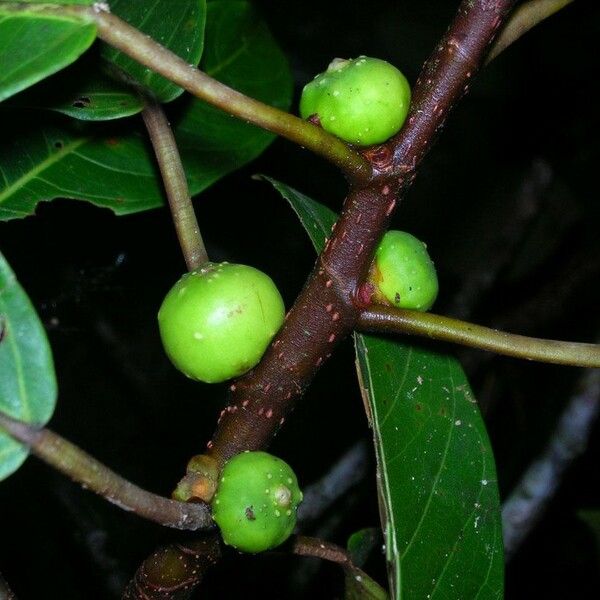
Native to the lush rainforests of Central America, Ficus richteri is a hidden gem of the fig family. Often called "Richter’s Fig," this species is prized by collectors for its sophisticated, minimalist aesthetic and its glossy, deep-green foliage. It brings a slice of the tropical canopy into your living space, acting as a natural air purifier with a structural, tree-like presence.
🔍 How to Identify
- 🍃 Leaf Shape: Elegant, elongated elliptical leaves that taper to a soft point. They have a leathery texture and a high-gloss finish that reflects light beautifully.
- 🦴 Venation: A prominent pale midrib with secondary veins that branch out horizontally, creating a clean, architectural pattern across the blade.
- 🌳 Growth Habit: A woody, upright stature that begins as a dense shrub but can eventually grow into a majestic tree if its roots are given space to roam.
🏡 In Your Garden
- 🪴 Humidity Lover: Since it hails from humid lowland forests, it thrives in environments with extra moisture. It is a perfect candidate for a "tropical corner" in your home, where it can enjoy the ambient humidity from surrounding plants.
- 🧱 Stability is Key: Like many of its Ficus cousins, this plant is a creature of habit. It is prone to "stress-shedding" its leaves if it is moved too frequently or exposed to sudden cold drafts. Once you find its favorite spot, try not to move it.
⚠️ Safety & Toxicity
- 🐾 Pet Warning: Toxic to cats and dogs. If leaves or stems are chewed, the sap can cause oral irritation, drooling, and vomiting.
- 🧤 Sap Sensitivity: The plant contains a milky white latex. This sap can cause skin irritation or "phytophototoxicity" (skin sensitivity to light) for some gardeners. It is wise to wear gloves when pruning or taking cuttings.
✨ Fun Fact
Most people don't realize that Ficus "fruits" are actually inverted flowers! In the wild, Ficus richteri relies on a tiny, highly specialized species of "fig wasp" to enter a small hole in the fruit to pollinate the hidden flowers inside. Without this specific wasp, the tree could never produce seeds.

Detailed Care Instructions








