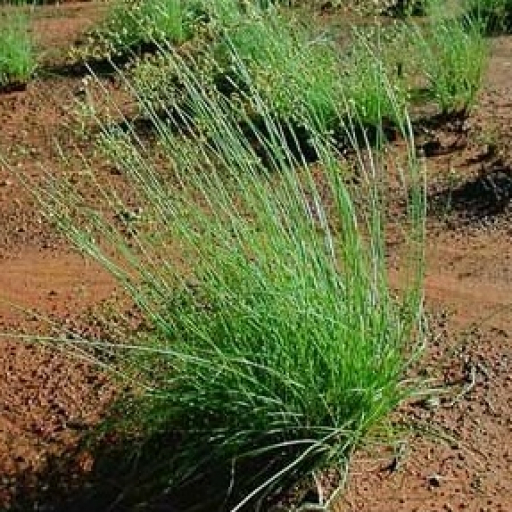
Plant Overview
Known as the Forked Fimbry or Tall Fringestyle, this slender sedge is a master of the wetlands. While it might look like a simple blade of grass at first glance, it belongs to the ancient Cyperaceae family. It is a cosmopolitan traveler, found in sun-drenched, damp spots across the Americas, Asia, and Africa, often acting as a natural carpet for marshy landscapes.
🔍 How to Identify
- 🌿 The Leaves: Narrow, grass-like leaves grow mostly from the base of the plant, forming dense, tufted clumps that stay low to the ground.
- 🎋 The Stem: Unlike grasses which have round stems, the Forked Fimbry has slender, slightly compressed or "edged" stems that can grow up to two feet tall.
- 🌾 The "Forked" Top: Its most distinct feature is the flowering head, which branches out into a "forked" arrangement of small, egg-shaped, brownish spikelets.
🏡 In Your Garden
- 💧 Moisture Lover: If you find this popping up, it’s a sign that your soil is holding onto a lot of water. It thrives in poorly drained areas where regular turf grass might struggle or drown.
- 🧱 Soil Stabilizer: Because of its dense, fibrous root system, it is excellent at preventing soil erosion along pond edges or in rain gardens, though it can become quite "weedy" if left to its own devices in a manicured lawn.
⚠️ Safety & Toxicity
- ✅ Status: Generally Non-Toxic.
- 🐾 Details: There are no recorded toxic effects for humans, cats, or dogs. However, like many sedges, the leaves can be slightly sharp or coarse, which might cause minor mechanical irritation to the mouth if a curious pet decides to chew on a large amount.
✨ Fun Fact
Botanists use a famous rhyme to tell plants like this apart from grasses: "Sedges have edges, rushes are round, grasses are hollow right down to the ground." If you roll the stem of a Forked Fimbry between your fingers, you’ll feel those distinct "edges" that mark it as a true sedge!

Detailed Care Instructions
To grow Fimbristylis Dichotoma plant, follow these steps:
- Choose the right location: Fimbristylis Dichotoma prefers full sun to partial shade. Select a location with well-draining soil, as this plant likes moist conditions but can't tolerate waterlogged soil.
- Prepare the soil: Loosen the soil in the selected area and amend it with organic matter like compost or well-rotted manure. This will help improve drainage and provide nutrients to the plant.
- Sowing seeds: Fimbristylis Dichotoma is typically propagated through seeds. Scatter the seeds evenly on the prepared soil surface, making sure to cover them with a thin layer of soil or vermiculite.
- Watering: Keep the soil consistently moist by providing regular watering. However, be cautious not to overwater, as excessive moisture can lead to root rot.
- Maintain temperature and humidity: Fimbristylis Dichotoma prefers warm temperatures between 70-85°F (21-29°C) and high humidity levels. If you live in a dry climate, misting the plant or using a humidifier can help create the preferred humid conditions.
- Fertilizing: Apply a balanced fertilizer every two to four weeks during the growing season to promote healthy growth. Follow the manufacturer's instructions for the recommended dosage.
- Pruning: Trim back any dead or yellowing foliage to maintain a tidy appearance. You can also cut back the plant to encourage bushier growth.
- Pest and disease control: Monitor the plant for any signs of pests like aphids or spider mites. Treat infestations with a suitable insecticide or use natural controls like neem oil or insecticidal soap. Also, ensure good air circulation around the plant to prevent fungal diseases.
- Winter care: In frost-prone regions, Fimbristylis Dichotoma may be grown as an annual or brought indoors during winter. If growing indoors, provide adequate light and maintain a temperature range of 60-75°F (15-24°C).
By following these steps, you should be able to successfully grow Fimbristylis Dichotoma plant. Remember to provide proper care and maintenance to ensure its healthy growth.

Place in a bright room that is sun drenched almost all day. Or directly in a south-facing window.

To water this plant, one should ensure that the soil is moist but not waterlogged. The frequency of watering will depend on the climate and specific location of the plant, as well as the moisture retention of the soil in which it is planted. It is important to monitor the plant's growth and adjust watering accordingly, avoiding both under-watering and over-watering. When watering, it is recommended to use room temperature, filtered water to avoid damage caused by harsh chemicals or extreme temperatures.
For Fimbristylis Dichotoma plant, fertilization should be done during the growing season using a balanced fertilizer with equal amounts of nitrogen, phosphorus, and potassium. Apply the fertilizer to the soil around the base of the plant, making sure to water it in thoroughly. Avoid over-fertilizing, as this can cause damage to the plant and the surrounding soil. Fertilize every two to three weeks during the growing season for optimal growth and health.
The ideal soil for Fimbristylis Dichotoma plants should have a well-draining composition with a balance of moisture retention and aeration. It should have a pH level that is slightly acidic to neutral, within the range of 5.5 to 7.5. The ideal soil texture would be sandy or loamy to allow for good drainage and root development. The soil should also contain a good amount of organic matter, such as compost or well-rotted manure, to provide the necessary nutrients for the plant's growth. Avoid using soil that is heavy in clay or compacted, as it can hinder proper drainage and cause root rot. Additionally, it is recommended to mix in perlite or sand to create a lighter, more airy texture for the soil.
To propagate this plant, you will need to prepare a container filled with a mixture of moist soil and sand. Carefully remove a healthy stem from the mother plant, making sure to include some of the roots. Trim any damaged or unhealthy roots and replant the stem into the prepared container. Water the plant thoroughly and cover it with a plastic bag to create a humid environment. Place the container in a warm, bright location, but avoid direct sunlight. Check the soil regularly and maintain moisture levels until the plant establishes itself. After a few weeks, you can remove the plastic bag and continue caring for the newly propagated plant.








