Plant Overview
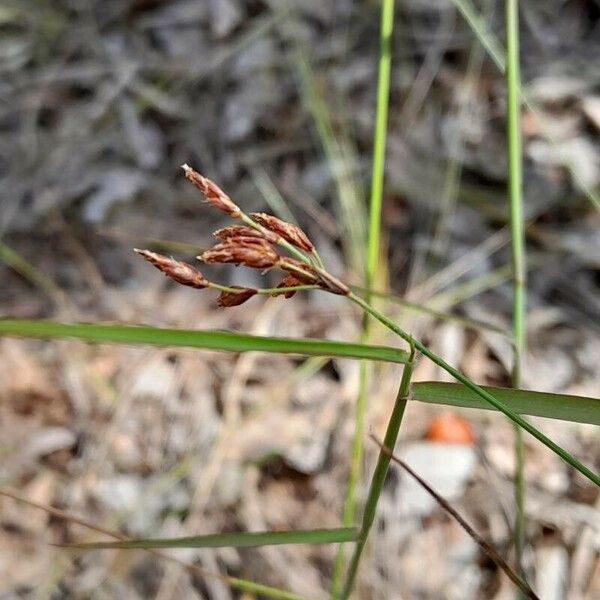
Often called the Bristly Fimbry, this dainty sedge looks like a collection of tiny, exploding stars resting on the tips of emerald wires. Found worldwide in sunny, damp spots, it is a master of life on the water's edge, frequently appearing on sandy riverbanks and the muddy margins of ponds. While it might look like common grass from a distance, its unique "squarrose" (outward-curving) scales give it a textured, prickly appearance that sets it apart.
🔍 How to Identify
- 🌾 The Spikelets: The most distinct feature; small, egg-shaped flower clusters covered in tiny, recurved bristles that point outward and downward.
- 🌱 Growth Habit: It grows in dense, tufted clumps (cespitose), usually staying quite low to the ground, rarely exceeding 8 to 12 inches in height.
- 🍃 The Leaves: Very slender, almost hair-like blades that fan out from the base. They are soft to the touch and typically shorter than the flowering stems.
🏡 In Your Garden
- 💧 Wet Feet Required: This isn't a plant for a dry rockery. It thrives in "boggy" conditions, making it a perfect naturalistic choice for the edges of a backyard pond or a rain garden that stays consistently moist.
- ☀️ Sun Seeker: It loves the spotlight! In the wild, it is a "pioneer species" that quickly colonizes sunny, open mudflats. It will struggle in deep shade where taller grasses might outcompete it for light.
⚠️ Safety & Toxicity
- ✅ Safe Status: Fimbristylis squarrosa is generally considered non-toxic to humans and common household pets like cats and dogs.
- 🌾 Physical Irritation: While not chemically toxic, the bristly seed heads can be scratchy. Curious pets might find the seed heads caught in their fur, but they pose no internal danger if brushed against.
✨ Fun Fact
The name Fimbristylis is a literal botanical description; it comes from the Latin words fimbria (fringe) and stylis (style), referring to the tiny, hair-like fringes found on the plant's reproductive organs!

Detailed Care Instructions

Place in a bright room that is sun drenched almost all day. Or directly in a south-facing window.

Some plants require more regular watering than others, which should be done every few days. It's critical to maintain the soil moist all of the time. The water requirements of the same plant placed in pots with varying sizes will differ. Because the water in the smaller pot evaporates faster than the water in the larger pot, it will require more watering. Regardless of pot size, the surface should constantly be maintained moist.







